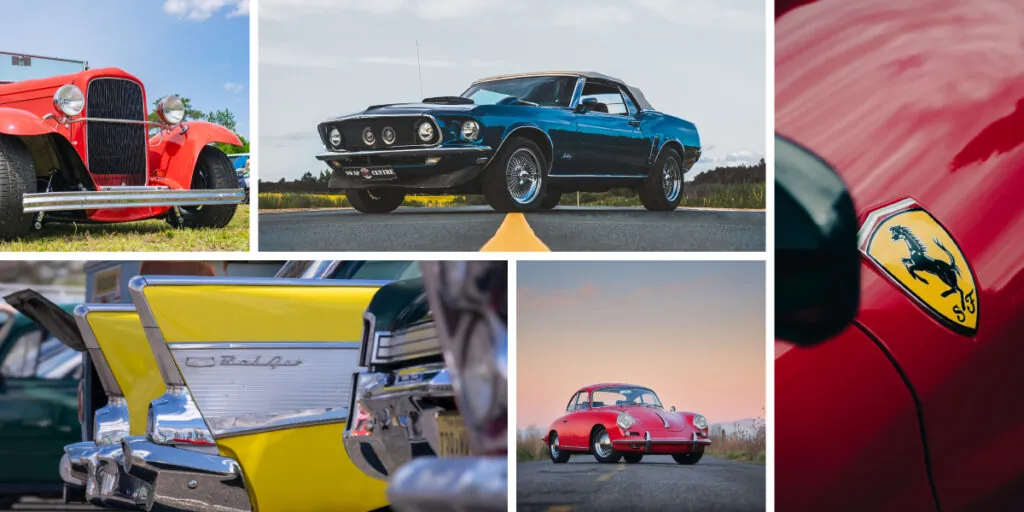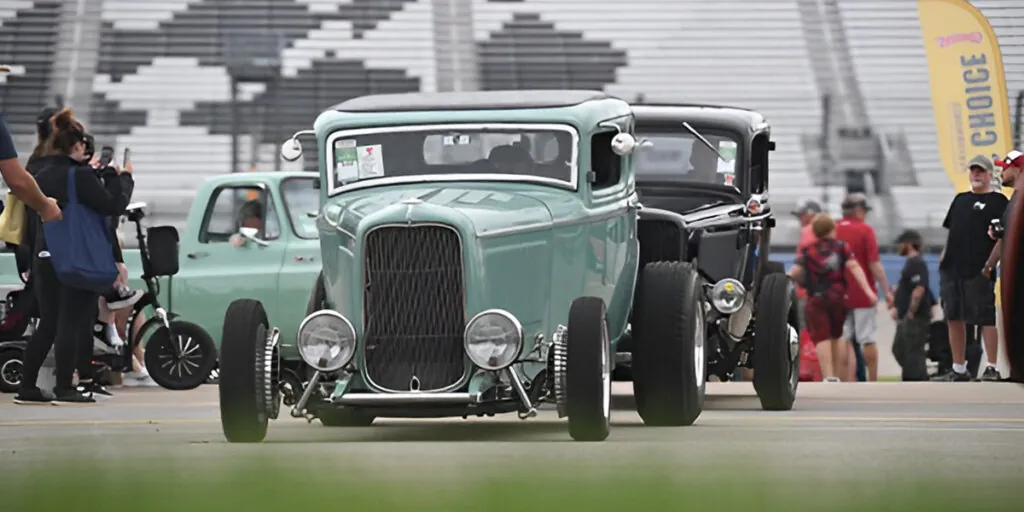
You’ve just inherited a classic car or stumbled across a dusty old ride buried in a barn. Either way, what you’ve found is more than just metal and chrome—it’s a story waiting to be told. Maybe it’s a rare gem, maybe a project car. Either way, you’re about to step into a world where history, mechanics, and passion collide. Here’s how to find out what you’ve got and what it’s worth.
Step 1: Initial Inspection – What Are You Dealing With?
Document Everything
Start by snapping detailed photos of every part of the vehicle—from the badging and engine bay to the interior, trunk, and undercarriage. Keep a log of anything you notice: trim pieces, emblems, custom touches, rust, wear, and mods. Think of yourself as a detective uncovering a car’s backstory.
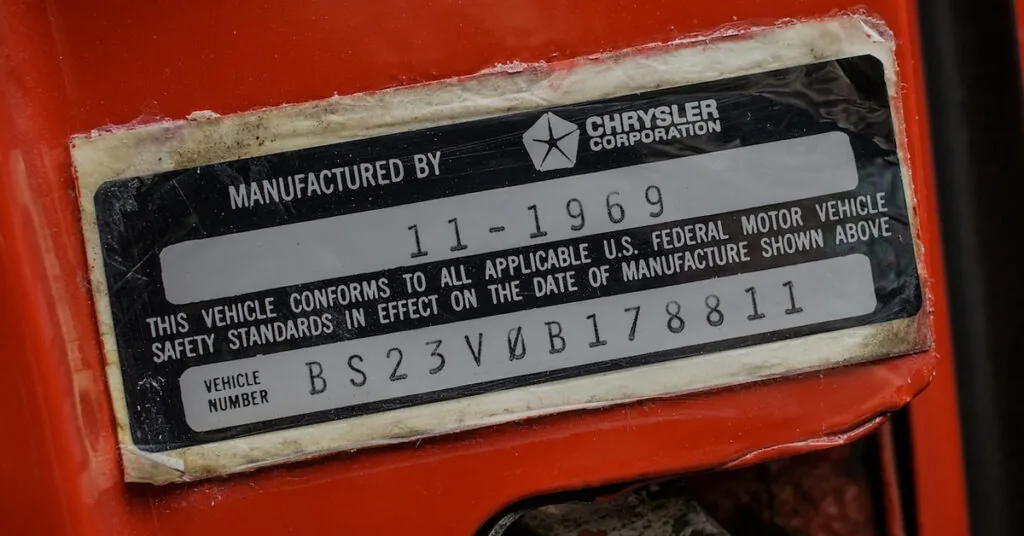
Locate the VIN (Vehicle Identification Number)
The VIN is your starting point. For cars built before 1981, expect a shorter VIN (usually 10–13 characters). Look:
- On the dash (driver’s side, near windshield)
- On the door jamb
- Under the hood (firewall, fender, or engine block)
Once found, plug it into a classic car VIN decoder or check with the manufacturer if they offer legacy support.
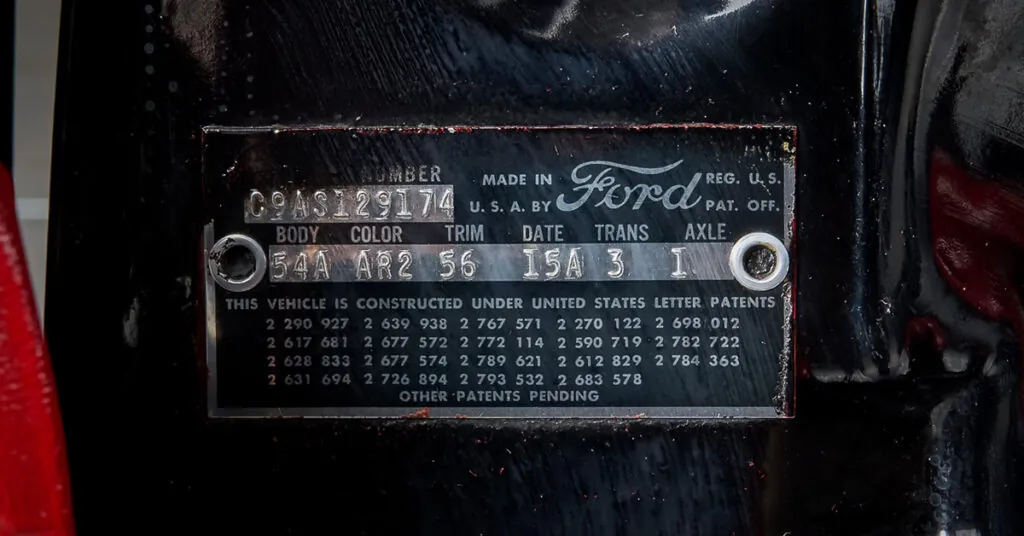
Check the Tag and Trim Plate
Usually located in the engine bay or glove compartment, this plate includes factory paint codes, interior trim, and options. It’s crucial for determining originality and rare option combos.
Dig for Paperwork
Inherited cars often come with a goldmine of paperwork. Dig through the glove box, trunk, or even under seats for old registration forms, service receipts, or photographs. These offer valuable insight into ownership history and maintenance.

Step 2: Research the Make, Model, and Year
Use the Internet—Wisely
Search using the VIN, trim tags, and any visible identifiers. Post on classic car forums, enthusiast Facebook groups, or Reddit threads. Upload images to visual search tools like Google Images to get model matches.
Join a Club or Forum
Marque-specific clubs like the Mustang Club of America, Corvette Registry, or Porsche Club of America have members who know these cars inside and out. They can help decode rare builds or confirm if your car is a true numbers-matching original.
Browse Classic Car Marketplaces
Check out:
Compare listings of similar vehicles to get a sense of rarity and value. Look for matching VINs, trim codes, and factory options.
Tap Manufacturer Archives
Ford, GM, Chrysler, and others offer build sheets or factory records for older cars. Services like Marti Auto Works can retrieve detailed production data for classic Fords.
Step 3: Condition, Authenticity & Originality
Engine Bay
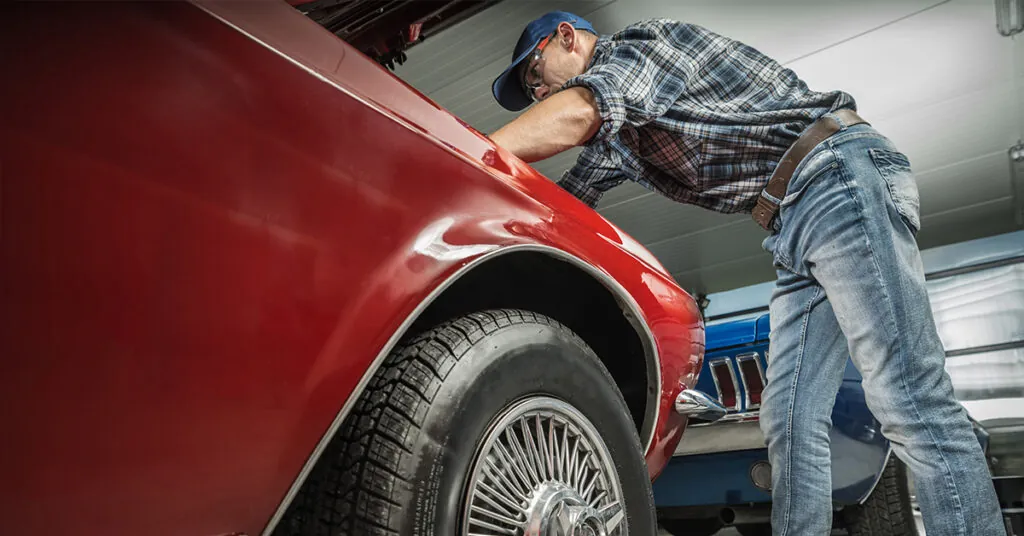
Lift the hood. Is it the original engine, or has it been swapped? Look for factory tags, casting numbers, and any aftermarket parts. Post photos on enthusiast forums—they’ll spot mods or missing pieces quickly.
Body & Paint
Original paint, even with patina, often holds more value than a respray. Inspect for overspray, uneven gaps, or replaced panels. These could indicate previous repairs or restoration work.
Interior Condition
Original upholstery and trim (even if worn) can boost collector value. Look for OEM (Original Equipment) materials, dash condition, original gauges, and carpets.

Step 4: Get the Professionals Involved
If the car seems special—or even if you’re unsure—hire a classic car appraiser for a professional evaluation. A mechanic experienced with vintage cars can give you a rundown on mechanical condition and potential restoration costs.
Step 5: Show It Off (and Learn More)
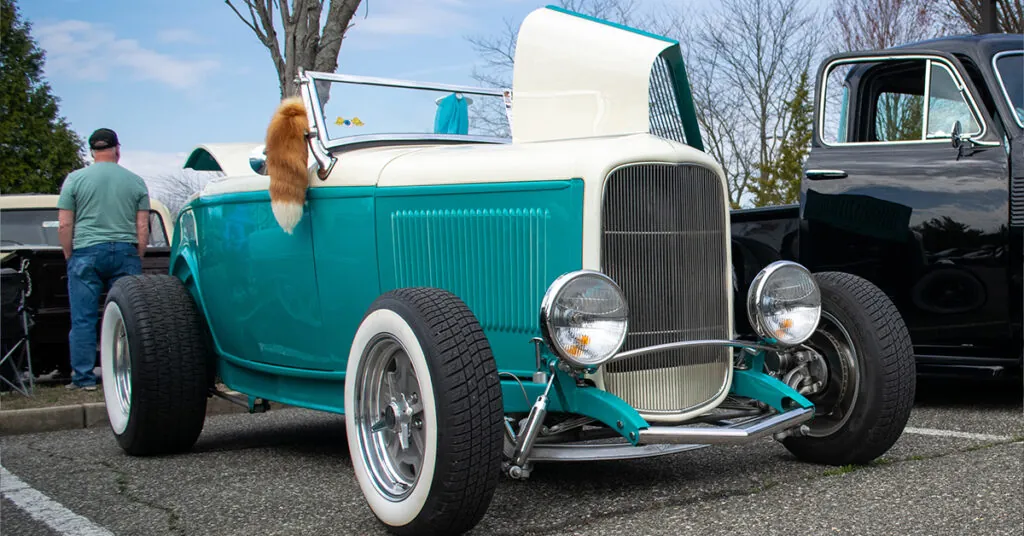
Take your new ride to a car show or local cruise night. These gatherings are full of people who’ve been where you are—and might just know exactly what’s sitting in your garage.
Whether it turns out to be a one-of-a-kind muscle car or a restoration candidate with potential, the real win is the journey. Every classic has a story. Now it’s your turn to tell it.