For many classic and collector car owners, winter storage is part of the rhythm of the hobby. And thanks to one simple piece of equipment, the wall-plug battery maintainer, keeping your car ready for spring has never been easier.
When used correctly, a quality battery maintainer can keep a traditional lead-acid battery healthy all winter long. More advanced models even cycle through controlled charge and discharge routines to help extend battery life. As long as your car is stored in a dry, well-ventilated space with reliable power, there’s little downside to leaving a maintainer connected.
That alone eliminates one of the biggest reasons owners feel compelled to start their classic during the winter: keeping the battery charged. For some cars, and some owners, that’s enough. Others, however, want to do more than just plug in a maintainer and walk away. The key is knowing when running your classic makes sense and when it does more harm than good.
Below are practical guidelines to help you decide how (and how often) to run your classic car during the winter months. As always, consult a mechanic who knows your specific vehicle, especially if you own a prewar car, race car, or anything with unique mechanical needs.
The One Winter Startup Mistake to Avoid
If there’s one habit to break, it’s this: Starting a cold engine, revving it briefly, and shutting it off.
Many owners do this simply for peace of mind, but from a mechanical standpoint, it’s one of the most damaging things you can do to a classic car engine.
Why? Because the first minute after a cold start is when most internal engine wear occurs. Oil pressure takes time to build, and until it does, critical components like the valvetrain and crankshaft bearings aren’t fully lubricated. Even engines with hardened internal surfaces don’t appreciate metal-to-metal contact at winter temperatures.
In short: a quick start-and-stop reassures the owner but punishes the engine.
How to Reduce Engine Wear During a Cold Start
If you do decide to start your classic in winter, take steps to minimize wear:
- Don’t rev the engine immediately. Let oil pressure and temperature build naturally.
- Pre-oil when possible. On classics with separate starter and ignition circuits, crank the engine with the ignition off until oil pressure registers, then start it. Spinning the engine at 100–200 rpm instead of 800–1,200 rpm makes a real difference.
- Consider oil pre-heating. Once reserved for high-end race cars, oil pre-heaters are becoming more common on premium classics. They bring oil up to temperature before startup, dramatically reducing cold-start wear.
These steps significantly reduce stress on internal components, but starting the engine is only part of the equation.
Why Short Run Times Can Cause Oil Contamination
Another winter concern is oil contamination. Combustion byproducts and moisture naturally accumulate in engine oil. Under normal driving conditions, reaching full operating temperature burns these off.
But if you start the engine, let it idle briefly, and shut it down, those contaminants remain and settle against vulnerable metal surfaces. Over time, this can lead to corrosion, pitting, and premature wear.
Bottom line:
Once you start the engine, let it run long enough for the oil, not just the coolant, to reach operating temperature and stay there for several minutes.
For classics that struggle with overheating at idle, this can be tricky. Because oil retains heat longer than coolant, some owners use multiple heat-and-cool cycles to reach adequate oil temperature. This is a situation where guidance from your mechanic is essential.
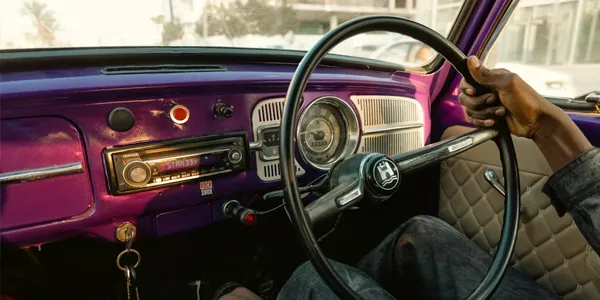
Should You Rev the Engine Once It’s Warm?
Light revving once the engine is fully warmed is generally fine, and can even be beneficial. It helps build oil pressure and keeps throttle linkage from sticking over long storage periods.
That said, avoid aggressive revving or anything approaching redline without load. The old “Italian tune-up” doesn’t work when the car isn’t moving, and many engines simply aren’t designed to rev freely at high rpm while stationary. Conservative is the smart approach.
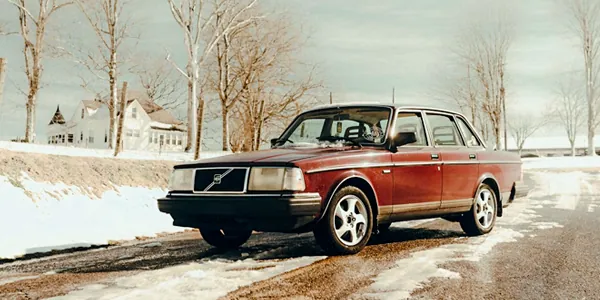
How Often Should You Run Your Classic Car in Winter?
Assuming:
- Stabilized fuel
- Fresh or clean oil
- Proper coolant
You may not need to start your classic at all during a winter of four months or less.
Remember, these cars were engineered to sit idle for short periods. Many spent weeks or longer on dealer lots or in transit when new.
If you choose to start the car, once a month is generally sufficient when done correctly using the procedures above. Keep in mind that running the engine isn’t the same as driving:
- Chassis components aren’t being lubricated
- Manual and automatic transmissions see limited circulation
- Differentials remain static
Automatic transmission owners may want to briefly cycle through the gears (with the brake firmly applied). If space allows, gently rolling the car forward and backward a few feet can help; common practice in professional exotic and collector car storage facilities.
Starting your car more frequently than once a month should be reserved for vehicles that explicitly require it and only with a qualified mechanic’s approval.
The Human Factor (And Why That’s Okay)
Finally, let’s be honest: sometimes you just want to spend time with your car. There’s nothing wrong with that. Winter can feel long, and a quick visit to the garage can be good for the soul.
Just make sure that when you do start your classic, you’re doing it thoughtfully and correctly. A little patience now goes a long way toward ensuring your car is ready when driving season returns.