Whether you’ve sold it to a buyer across the country, entered a concours event, or are moving it between seasonal homes, shipping a classic car can feel like handing over a piece of your heart. The process can stretch days or even weeks, and the goal is simple: make sure your classic arrives exactly as it left.
Choosing the right transport company is a major part of that, but how you prepare your vehicle plays an equally important role. Here’s a practical, collector-focused guide to help you reduce risk and ensure a smooth delivery.
1. Know Exactly How Your Classic Car Will Be Shipped
Before anything else, understand the shipper and the equipment they’re using.
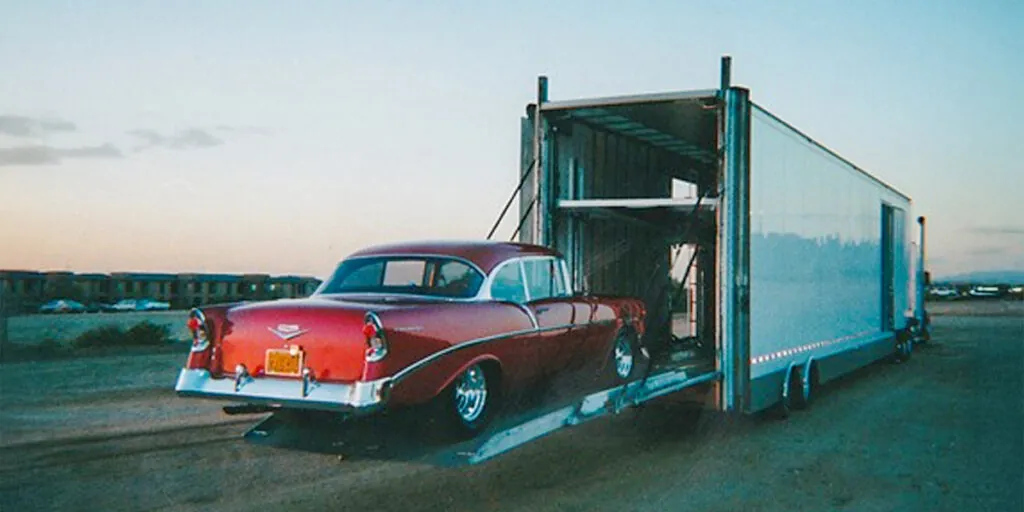
- Enclosed classic-car transport: Ideal for high-value or concours-level vehicles. These companies typically use covered tractor-trailers with liftgates and secure tie-downs designed for low-clearance classics.
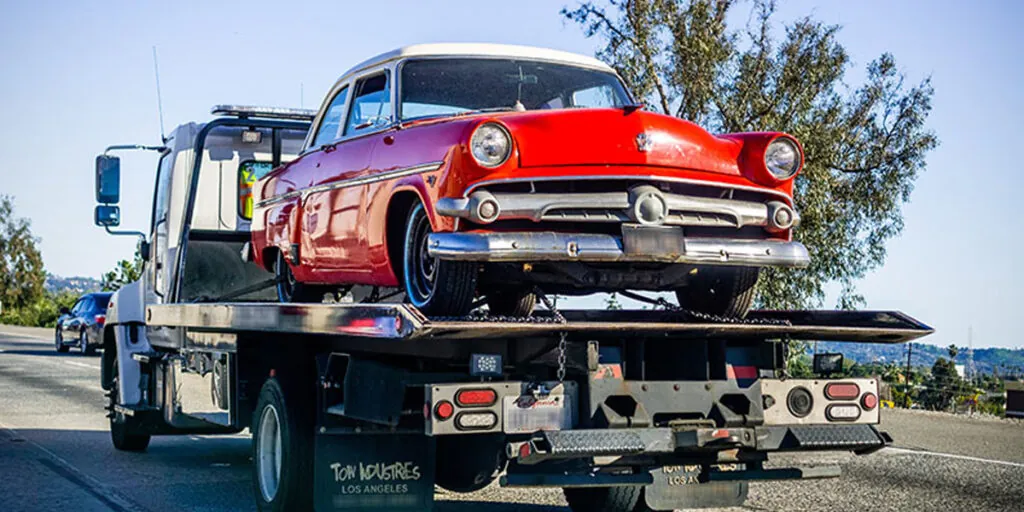
- Open or “hot-shot” transport: A one-ton diesel truck pulling a multi-car open trailer. Most affordable but exposes the vehicle to weather and road debris.
Ask about:
- Weight limits
- Tie-down methods
- Liftgate availability
- How many times your car may be moved during transit
The more you know upfront, the better you can prepare.
2. Set Tire Pressure for the Journey
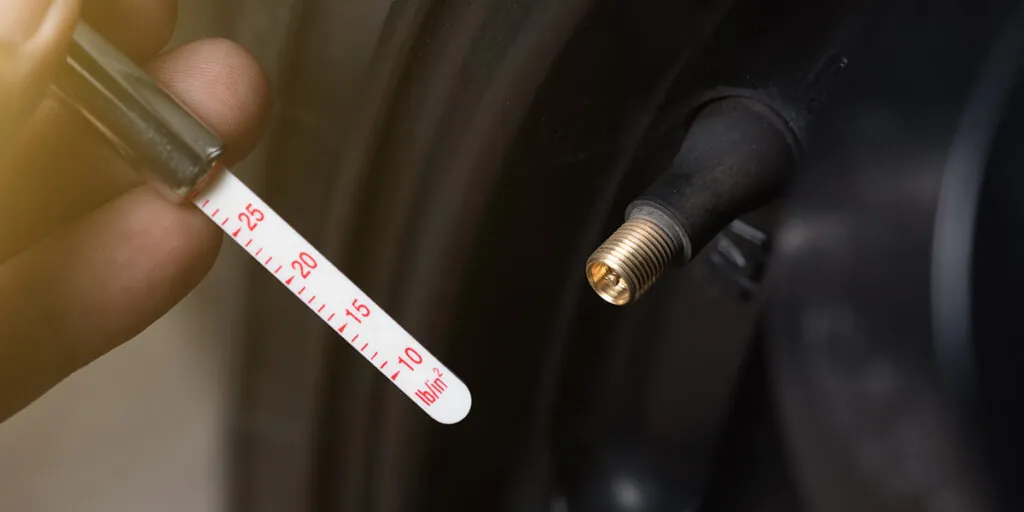
For most classic-car shipments, inflate tires to the manufacturer’s maximum recommended PSI unless you’re moving from cold to hot climates, then stay 3-4 PSI below max to allow for expansion.
If your car tends to lose pressure (bias-ply tires, porous wheels, etc), let your shipper know. Not all carriers bring air equipment, and a low tire can cause delays or extra charges.
3. Make Sure the Battery Is Strong and Fully Charged
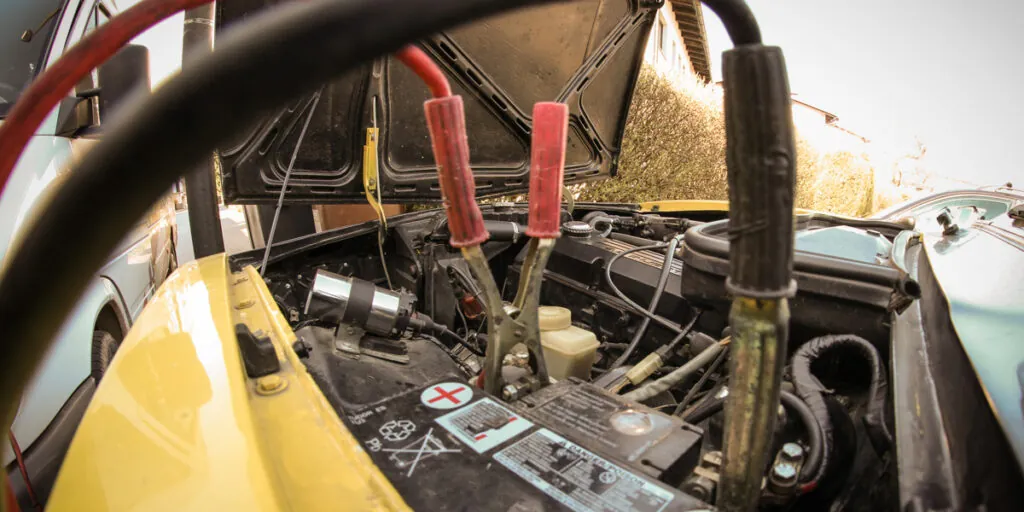
Your vehicle may be started multiple times during loading, unloading, or repositioning. Give your classic the strongest possible advantage:
- Use a newer battery with full charge
- Ensure clean terminals
- If your car typically needs a jump, handle that before shipping. Some carriers charge extra for repeated jumps
A dependable battery reduces the risk of delays or mishaps.
4. Protect Your Interior Touchpoints
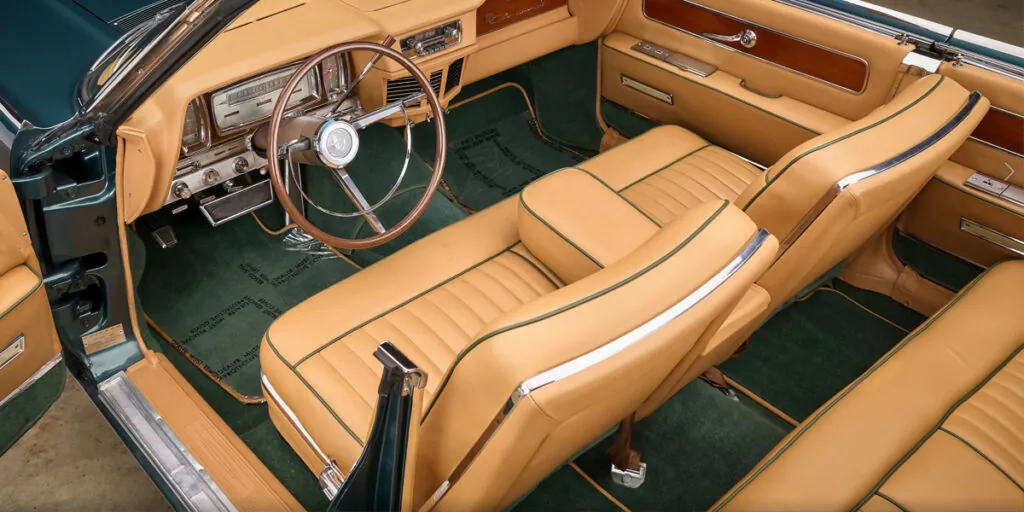
Drivers load cars after long hours on the road or working on equipment, meaning dirt and grease are common.
Protect:
- Seats
- Steering wheel
- Floor mats
- Door sills
Upscale enclosed shippers often use courtesy covers but confirm beforehand. It’s your investment, set the expectation.
5. Add Enough Fuel… Especially for Nose-Down Loading
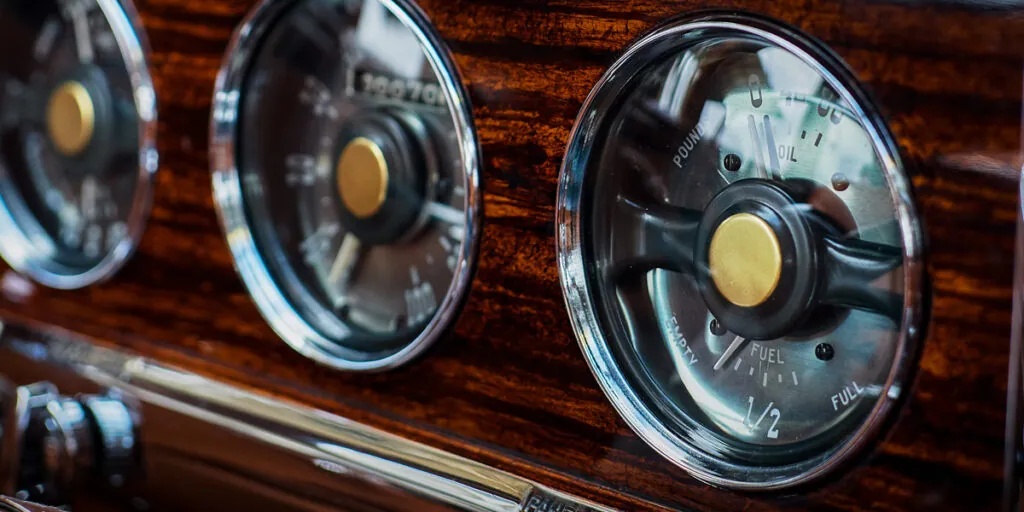
Not all trailers sit level. Many open carriers lock at least one vehicle in a nose-down position, and cars with long hoods or carbureted engines can experience fuel starvation if the tank is too low.
Add enough fuel for:
- Several starts
- Short repositioning moves
- Any angle the trailer may impose
Err on the side of caution.
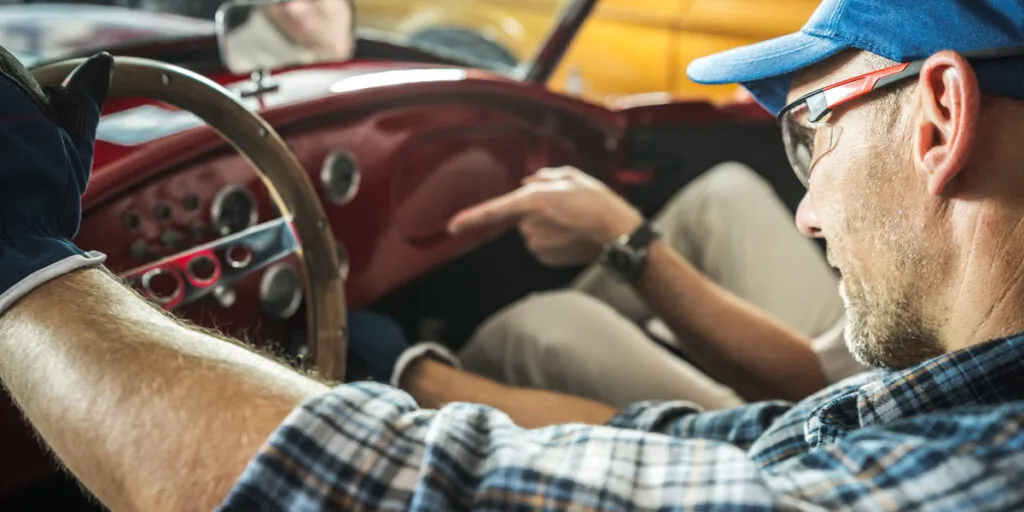
6. Confirm Your Classic is Mechanically Ready
Even if the vehicle is a showpiece, it needs to run reliably enough to drive on and off a trailer.
Check:
- Idle stability
- Brakes
- Headlights (helpful in dark enclosed trailer)
- Transmission engagement
- Cooling System
If your transport has a breakdown, your car may need to be temporarily moved to another hauler. Make sure it can handle those short, necessary maneuvers.
7. Prep the Exterior Based on Trailer Type
Enclosed Transport
For enclosed classic-car shipping, a thorough wash and a fresh coat of wax or ceramic protectant is typically all you need. This helps shield the finish from any drips from the vehicles above, yes, some classics do leak.
Some ultra-premium shippers may allow you to use a soft cloth car cover during transport. While rare, it exists, ask if permitted.
Open Transport
If you’re using hot-shot or open transport, strongly consider car transport wrap the white protective film seen on new Corvettes, Porsches, and other high-end vehicles.
It protects from:
- Road grit
- Dust
- Chemicals
- Weather
- Light abrasions
It takes time to apply and remove, but it’s worth it for long-distance or winter-season transport.
Also consider an undercarriage spray to reduce the impact of salt or winter chemicals. If not possible, advise the recipient to rinse the underside immediately upon delivery.
8. Secure Documentation, Keys, and Special Instructions
Before handing over the keys:
- Store paperwork in a waterproof container inside the vehicle.
- Never leave valuables or loose items visible.
- Make a backup set of keys and keep them until delivery is confirmed.
If your classic has a unique starting procedure choke position, ignition-off oiling cycle, fuel pump steps, write it clearly on a laminated card and secure it to the steering wheel. This prevents mistakes and protects the car.
9. Get Direct Contact Info and Tracking (If Available)
You may already have a broker’s number, but what you really need is:
- Driver cellphone
- DOT number and plate
- GPS tracking access (if offered)
Direct communication makes the process smoother and reduces surprises.
10. Final Tip: Remember Time Zones
If shipping cross-country, keep time differences in mind when coordinating delivery confirmation. A small courtesy goes a long way.
No method of classic car transport is entirely risk-free, but with the right preparation, you can dramatically reduce the uncertainties. These steps help ensure your collector car arrives safely just as you intended.