Hurricanes might not be hitting land more often than they did a century ago, but when they do, the impact is greater than ever. More people, more cars, and more development in coastal areas mean more at stake when the winds pick up.
If you live in a hurricane-prone region, you already know that when the alerts start rolling in, your first concern is your family’s safety. But if you own a classic car, there’s a good chance your second thought is about how to keep your prized ride out of harm’s way.
Here are some practical steps you can take to help protect your classic car before, during, and after hurricane season.

Before the Storm: Plan Ahead for Safety and Security
When it comes to hurricanes, preparation beats reaction every time. Start by evaluating where your classic is stored and what’s happened there in past storms. Has your garage ever flooded? Are you in a low-lying area or near trees that could fall? If your space has weathered decades of storms without issue, you might be fine with a few light precautions. But if you’ve seen water in that area before, it’s time to plan seriously.
If possible, move your car somewhere outside the storm’s direct path. The safest place for a classic during a hurricane is somewhere else entirely. Do you have a trusted shop, dealership, or friend with a reinforced garage inland? Make arrangements early and confirm every year that those plans are still good.
If you’re lucky enough to own a truck and enclosed trailer, that’s the ideal solution — but even then, give yourself at least 36–48 hours of lead time before evacuation routes close.
If you only own one classic and it’s road-ready, you might simply drive it out of the area before the storm hits. There’s risk in that, of course, but it’s often better than leaving it behind unprotected.
Can You Hurricane-Proof Your Storage?
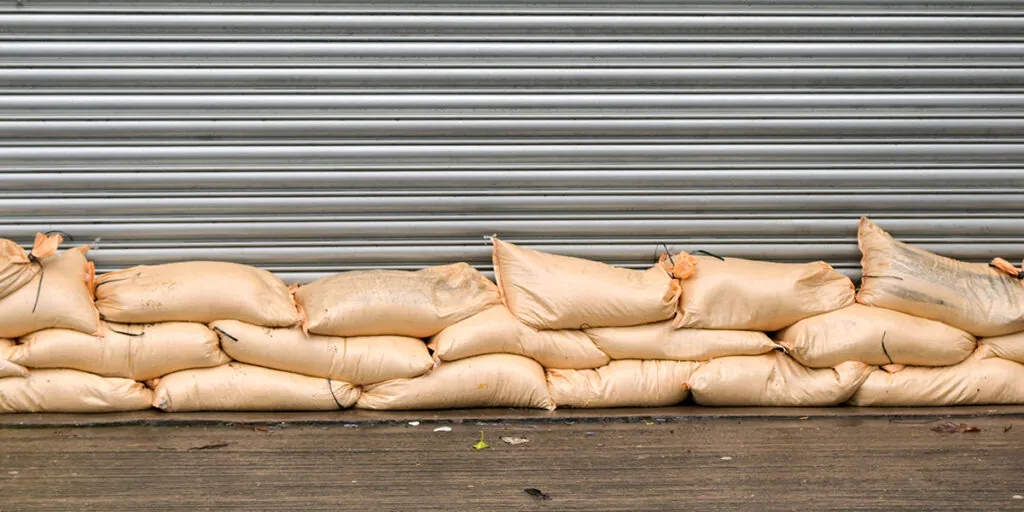
No one can completely hurricane-proof a property, but you can make a big difference with the right precautions. And if you’ve already made arrangements for proper insurance coverage, you’ll have peace of mind knowing your investment is protected even if the worst happens.
For everyone else, a little effort before the storm goes a long way toward keeping your classic car intact.
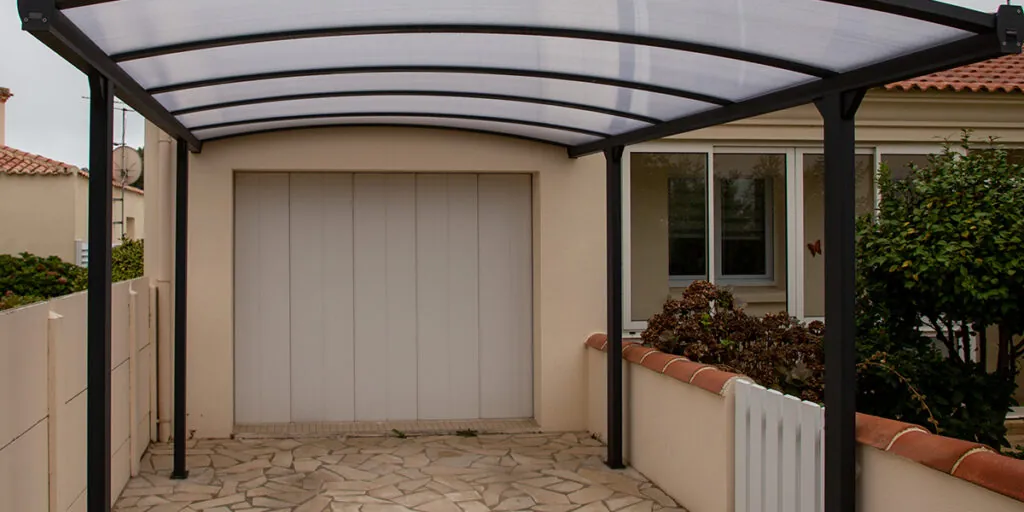
Protecting Against Wind and Flying Debris
If your car is stored in a carport or detached structure, start by checking the foundation. Carports or canopies not anchored to the ground can become projectiles in high winds, and the last thing you want is for yours to slam into your vehicle.
Next, clear the area of anything that can move or tip: patio furniture, grills, garden tools, or even garbage cans. It doesn’t take much wind to turn those into body-panel-denting missiles.
Once the area is secure, add layers of protection to the car itself. A high-quality, multi-layer car cover combined with tarps secured by heavy weights or stakes can shield against hail and debris. For extra defense, place a layer of eggcrate foam (like a mattress topper) between the cover and tarp — it looks odd, but it cushions against falling objects or ceiling material.
If your garage has a drop ceiling or exposed shelves, take extra precautions. Remove anything hanging above or near the car that could fall. Even small items can scratch paint or crack glass if they come loose in high winds.

Guarding Against Flood Damage
Classic cars can tolerate a few inches of water — usually up to the lower suspension — but anything beyond that starts to cause real damage. Tires can delaminate, brakes can seize, and electrical systems can short out after prolonged exposure.
If there’s any chance of flooding, get your car off the ground. A portable lift, such as an EZcarlift, can raise your vehicle about two feet and keep it there indefinitely. That small investment could save you thousands in restoration costs.
For a budget option, use sturdy oil-change ramps to gain six to eight inches of clearance. If you have a four-post rack, raise your car to the top position for maximum protection.
Avoid relying on inflatable “car bubbles.” They tend to collapse under pressure or leak when submerged, offering false confidence rather than real safety.
Don’t Forget Parts, Tools, and Paperwork
Your classic is more than just sheet metal — it’s the sum of rare parts, tools, and irreplaceable documentation. When prepping for a storm, think beyond the car itself.
Move valuable parts and equipment to higher ground. Shelves anchored above waist height are good; attics or upper floors are better. And don’t overlook your paperwork. Titles, service records, photos, and restoration receipts are part of your car’s history and once they’re soaked, they’re gone. Store these in waterproof containers or scan them digitally so you always have backups.
After the Storm: Assess and Recover Safely
Once the danger has passed, return cautiously. Standing water and live wires are serious hazards. When you reach your car, document any damage with photos before moving or cleaning anything. Tthat evidence will help with insurance claims later.
If your classic was partially flooded, don’t try to start it right away. Drain the fluids, check electrical components, and have it inspected by a trusted mechanic or restoration expert before firing it up again.
Plan Now, Enjoy Later
No one wants to think about hurricanes, but a little planning today can save you a lot of heartache, and expense, tomorrow. By securing storage, protecting your space, and preparing your documentation, you’re doing what every good car owner does: taking care of your investment.
When the skies clear, you’ll be back to doing what you love, driving, maintaining, and enjoying your classic in the good weather that follows.