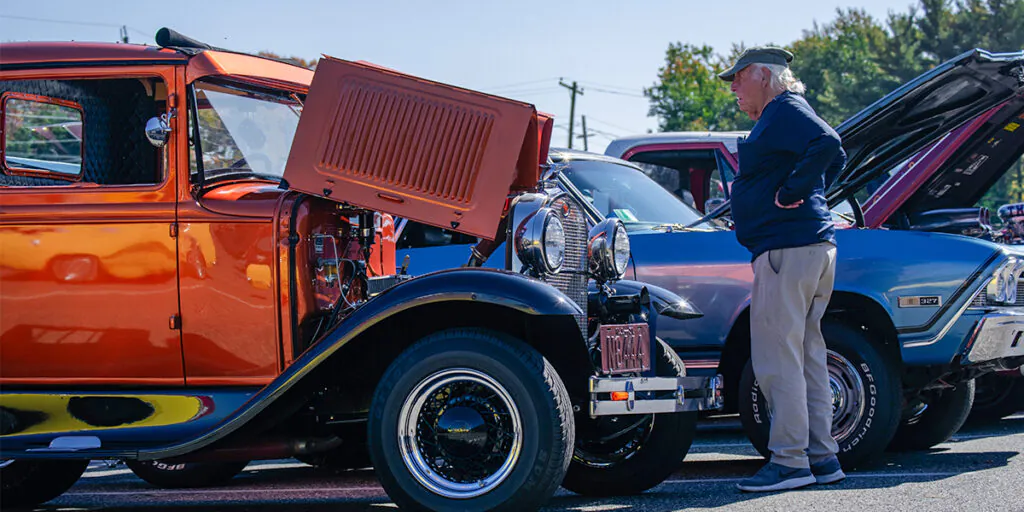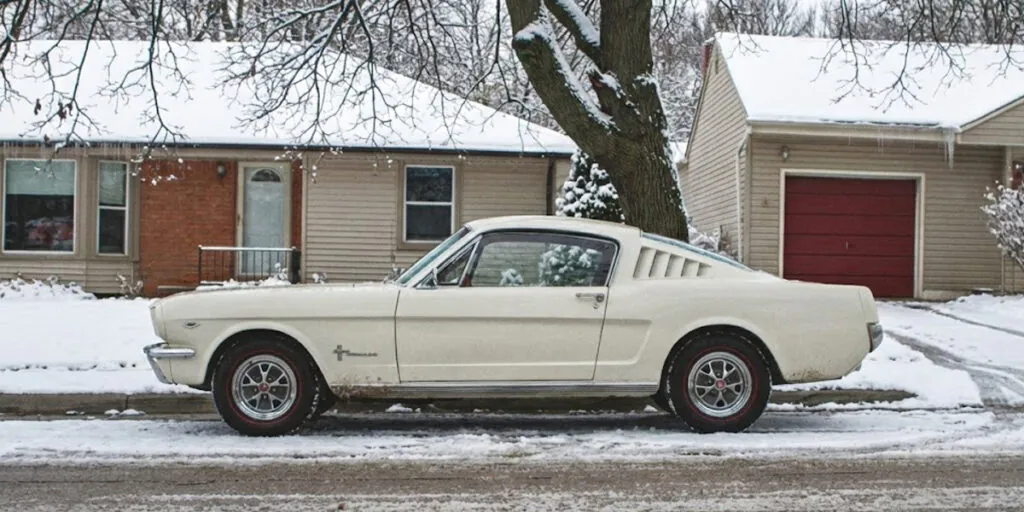
The joke has been told a dozen different ways, but the punchline is always the same. A man lies in a hospital bed after a terrible accident, receiving last rites. His wife is still on her way and won’t arrive in time. With his final strength, he waves his best friend closer.
“Is there something you want me to tell Gladys?” his friend asks.
“Yes,” the man whispers. “Don’t… let… her… sell… the Corvette… for… what… I told… her… I paid.”
That joke isn’t really about classic cars. It’s about hidden costs, and classic car ownership has more than a few of those.
Before you buy your dream car, it’s worth taking a clear-eyed look at what it truly costs to own, maintain, and enjoy a classic vehicle. This isn’t meant to discourage you. Quite the opposite. When you understand the real costs of classic car ownership up front, it’s easier to plan for them, and planning leads to a far more rewarding ownership experience.
Let’s take a look at the expenses many classic car owners don’t see coming.
Maintenance: More Frequent, More Involved
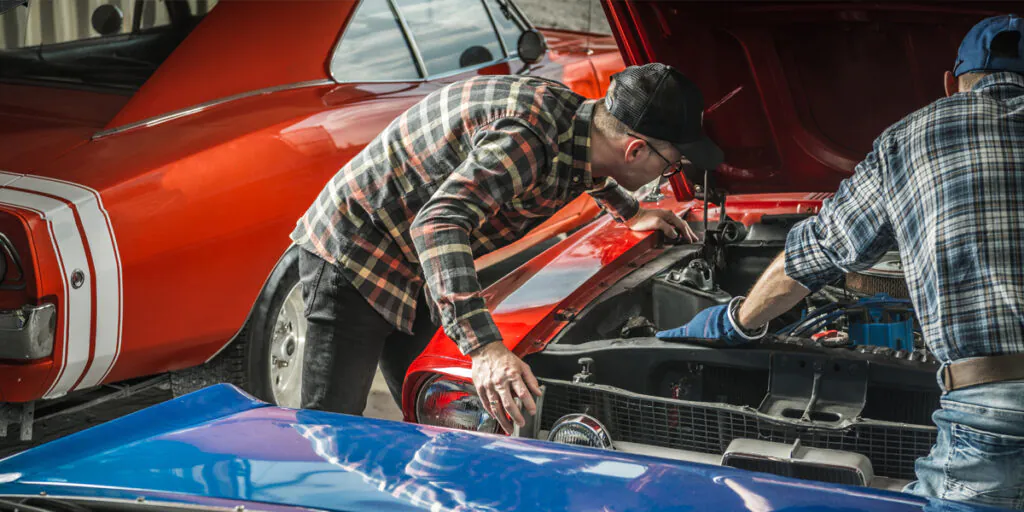
When most people think about the hidden costs of owning a classic car, maintenance is usually the first thing that comes to mind, and for good reason.
A vehicle that’s 25, 40, or 60 years old simply requires more attention than a modern daily driver. What surprises many new owners isn’t just what needs to be done, but how often.
For example, in the mid-1950s, recommended oil change intervals were sometimes as short as 1,000 miles. Greasing suspension and chassis components at the same interval was standard practice. While modern oils and lubricants are far better than what was available decades ago, and most classics aren’t driven daily, you shouldn’t expect modern “set it and forget it” service intervals.
Classic cars reward attentive ownership. Ignore that reality, and frustration usually follows.
The Hidden Cost No One Mentions: Time
Maintenance doesn’t just cost money, it costs time.
Even basic service can be more involved on a classic. Anyone who has performed an oil change on an air-cooled Porsche knows this firsthand. Add to that the time required to source the correct parts and fluids, and the investment grows.
Some classics require specialty oils that aren’t stocked at chain auto parts stores. Certain oil weights, filters, bulbs, and seals are already becoming online-only purchases. Rolls-Royce owners may need mineral oil. British and European classics often rely on supplier parts from Lucas, Girling, or similar manufacturers, parts that require research to identify correctly.
Waiting on shipping, verifying fitment, and tracking down knowledgeable suppliers all add up. Time is part of the cost of owning a classic car, whether you plan for it or not.
Tools, Specialists, and Tribal Knowledge
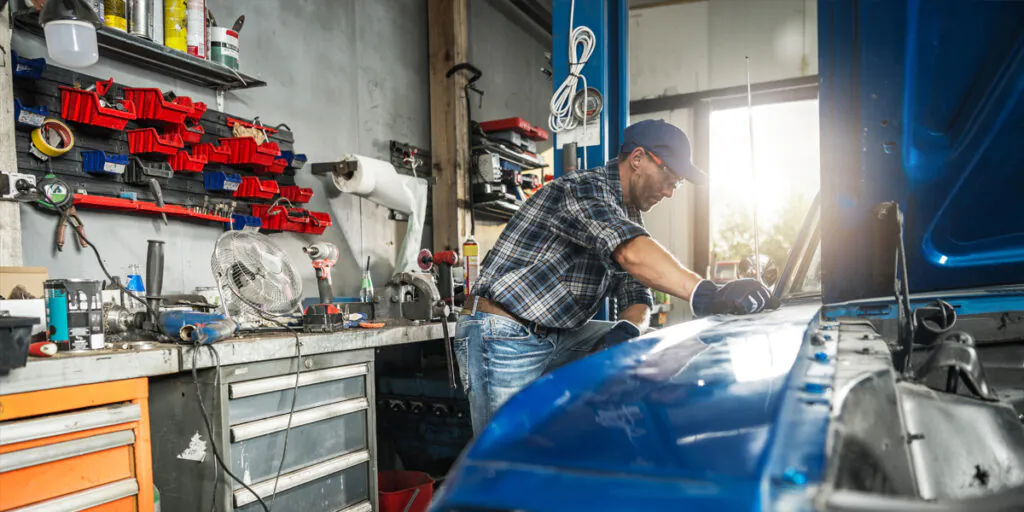
Many classic cars require specialty tools for routine service. That could mean anything from a vacuum fluid extractor to brand-specific diagnostic equipment. If you don’t own the tools, you’ll need a specialist who does.
The good news? Independent classic car specialists are often no more expensive than modern dealership service departments, whose labor rates continue to climb. The challenge is availability. Skilled technicians who can properly adjust valves on a Ferrari V12 or tune carburetors the right way, aren’t coming straight out of trade school.
If you don’t like surprises, here’s a tip seasoned owners already know:
Find your service resources before you buy the car.
Repairs and Restoration: Budget for Reality
If routine maintenance has hidden costs, repairs and restoration multiply them.
It’s rare to hear a classic car owner say they spent less than expected on repairs. Smart owners ask important questions early:
- Where are replacement parts sourced?
- Are certain components becoming scarce?
- Should I buy spares now, even if I don’t need them yet?
Knowledge can save real money here. Many classics share components across manufacturers. Porsche-VW dealers in the 1980s famously sold the same control arm for early 944s and VW Rabbits at vastly different prices. Similar overlaps exist today between Aston Martin and Ford, or Land Rover and BMW.
Research pays, especially with British classics and European marques.
Operating Costs Add Up Quickly
Once your classic is road-ready, operating costs can still surprise you:
- Premium fuel
- Covered or climate-controlled storage
- Proper classic car insurance with agreed value coverage
- Marque club memberships and technical subscriptions
Even small decisions can carry hidden costs. Detailing products disappear faster too. An $18 bottle of ceramic wax might last your daily driver all year, but your classic may demand multiple hand-applied coats of traditional wax.
These aren’t frivolous expenses. They’re part of preserving a vehicle’s condition and value.
The Costs You Happily Choose
Then there are the expenses you want to pay.
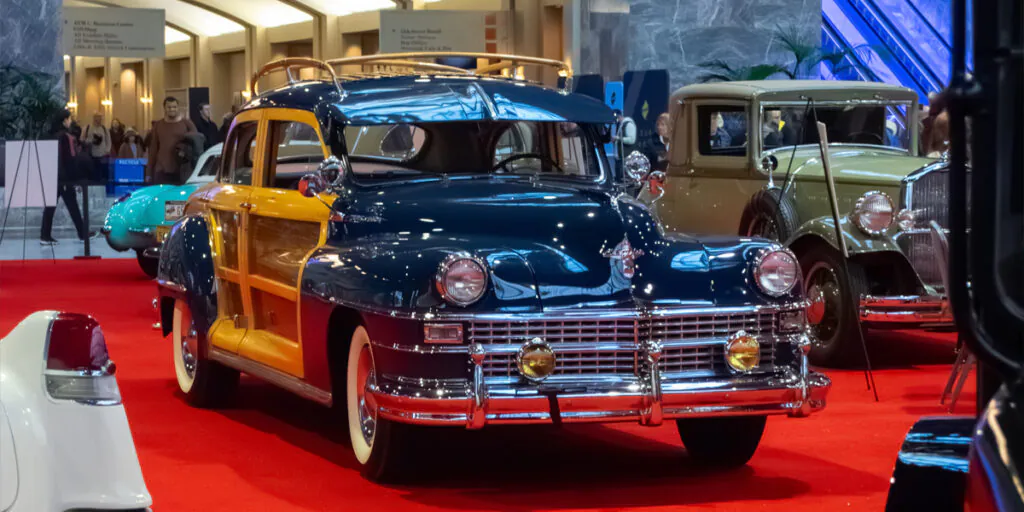
Concours events. Club drives. Out-of-town shows. Owner gatherings. The occasional “fix it now” repair so you don’t miss the one event you look forward to all year.
If your classic is eligible for vintage rallies or racing, the financial commitment rises even faster. Entry fees, safety equipment, travel, and lodging add up quickly, but few owners regret saying yes.
You don’t have to use your car this way, of course. But where’s the fun in owning a classic and never fully enjoying it?

The Unexpected Benefits That Make It Worth It
When you add up the hidden costs of classic car ownership, the list can feel intimidating. Yet ask longtime owners why they stay in the hobby, and the answer is rarely about money.
Classic cars create friendships. They open doors to experiences most people never have. Time and again, owners say the same thing:
“I came for the car… and stayed for the people.”
Those relationships, memories, and shared passions are the most unexpected benefits of all. For many enthusiasts, they justify every expense and then some.