Collectors Already Understand Value
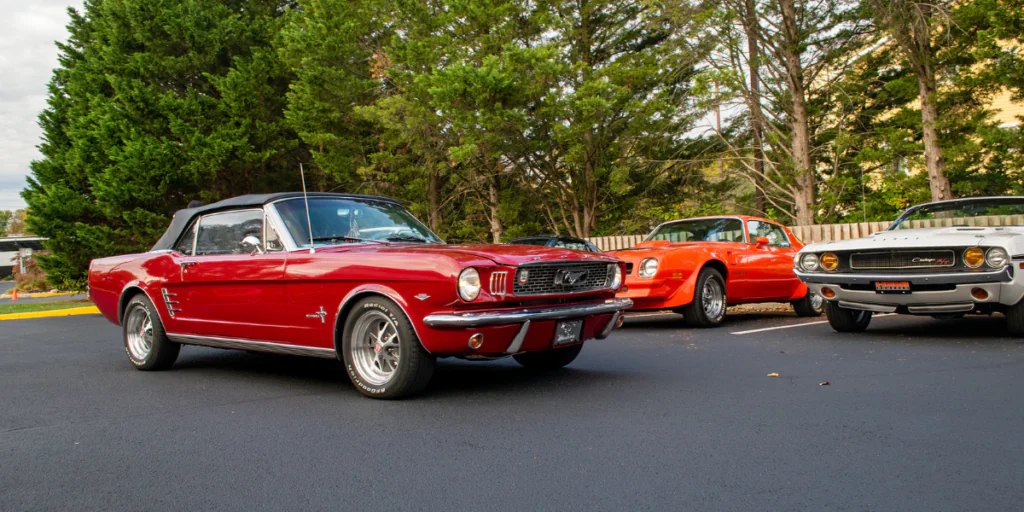
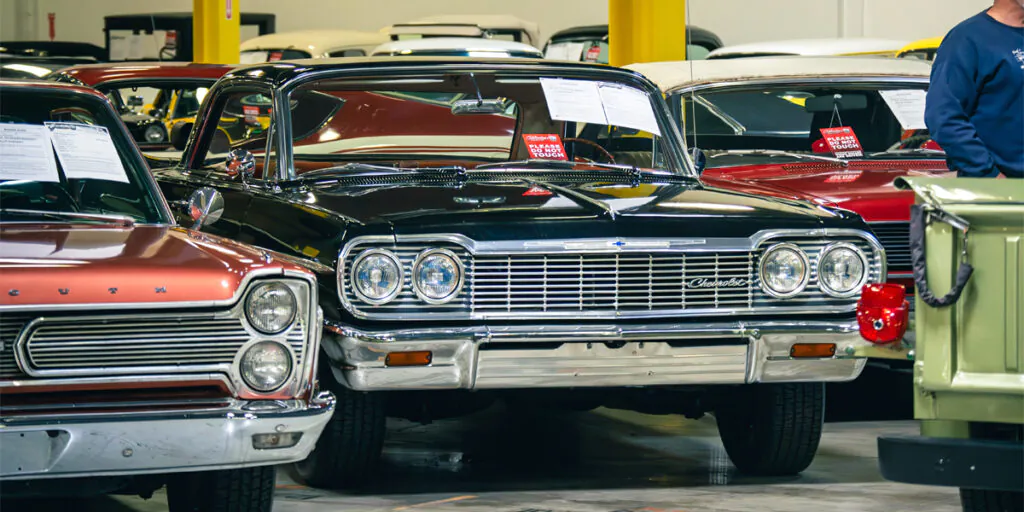
If you own a classic car, you already understand the importance of insuring valuable belongings properly. You know the difference between market value and agreed value, and you know that standard insurance rarely tells the full story.
What many collectors overlook is that the same logic applies to everything else they collect.
When Collections Outgrow Homeowners Insurance
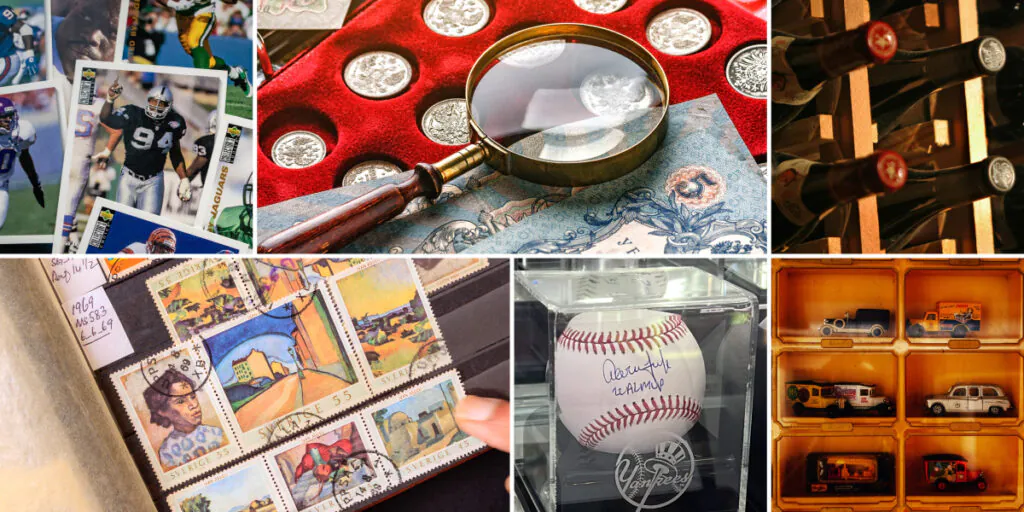
Sports memorabilia, stamps, wine collections, and more. These collections often grow slowly and quietly until one day their value exceeds the limits and exclusions of a standard homeowners policy. That’s when specialized collectibles insurance stops being optional and starts being essential.
These enthusiasms tend to sneak up on us, so it’s common to look up one day and realize that our “little collection” has become quite extensive, valuable, or both. Often it is just a factor of time and appreciation; if you picked up a couple of Shohei Ohtani baseball cards in 2018, now’s a good time to see what they are worth. The same would be true for a lot of silver or gold jewelry that was relatively affordable in the Nineties, or that Rolex Daytona you bought on a whim at Costco fifteen years ago.
The Hidden Gaps in Standard Policies
So, you have a bit of a collection that is worth a bit of money. How do you protect it?
It’s common to assume that our homeowners or renter’s insurance have it handled, but a quick read of that policy might be more than a bit surprising. Most of the time, you will find that both the conditions of a covered loss and the amount of that coverage are strictly defined. It can be very easy to have a loss that doesn’t meet those conditions or significantly exceeds the coverage available.
That means a Frederic Remington, or a Mickey Mantle jersey, hanging on the wall of even a multi-million-dollar home, you might be completely out of luck should something happen to it.
Knowing When It’s Time to Insure
It’s a good rule of thumb that you should specifically insure a collection as soon as its value becomes significant to you. That can be financial value; who knew an old guitar could be worth so much? And don’t forget about personal value. What happens if the 1959 Les Paul your grandfather gave you is stolen? Once you reach that point of significant value, it’s time to make a plan.
Found your next collector car? Protect it in minutes.
No depreciation, no surprises. ACI's agreed value coverage gives you the full amount you insured it for.
Why Agreed Value Matters
The best plan, of course, includes a form of agreed value insurance. As it does in the classic and collector car world, agreed value insurance removes the mystery from your coverage and ensures that you’ll be properly taken care of in the event of a covered loss.
A good collectible insurance policy will have an agreed value that reflects both replacement cost and personal valuation. Plus, a good collectible insurer will have the resources to help determine those values accurately.
Protecting Against the Unknown
It’s especially important to get agreed value coverage on collectibles because the worth of an item can vary so widely based on condition, provenance, and other factors that are difficult and time-consuming to verify after the fact of a loss. The world’s best post-war Martin acoustic guitar looks suspiciously like the world’s worst one after a house fire, for example.
Good collectibles insurance also offers a broader range of coverage against loss. It can protect you against fire, natural disaster, theft, and other occurrences that might be specifically excluded in your homeowners’ coverage. Some policies even protect against theft or damage outside the home as that is almost never part of home or rental policies. If you live in an area that is subject to flooding or similar issues, chances are your existing coverage has very specific exclusions regarding water damage. This is where collectibles insurance can be a lifesaver. Some policies will even protect you against accidental breakage or damage, which can give you a chance to better enjoy your collectibles. If you have a comic book or toy collection you’d like to display or show off a bit, that sort of coverage can provide considerable peace of mind.
Worried that your collecting or purchase habits are incompatible with collectibles insurance? You’ll be surprised. Many policies immediately cover new purchases or acquisitions at fair market value up to a certain amount, giving you 30 days to notify the insurer and settle the agreed value for long term coverage. The best insurers even offer an inflation adjustment, giving you up to 6% of additional payment if you haven’t recently reset the agreed value of your collection.
At some point, every collection crosses an invisible line when its value becomes too meaningful to leave to assumptions or fine print. The goal of collectibles insurance isn’t simply to replace what’s lost, but to remove uncertainty before anything ever happens.
With agreed value coverage in place, you don’t have to second-guess whether your policy will respond, how much will be paid, or how long the process will take. You can focus on what made you collect in the first place: the history, the craftsmanship, and the satisfaction of owning something worth preserving. When your protection is as deliberate as your collecting, you’re free to enjoy what you own with confidence.
Found your next collector car? Protect it in minutes.
No depreciation, no surprises. ACI's agreed value coverage gives you the full amount you insured it for.