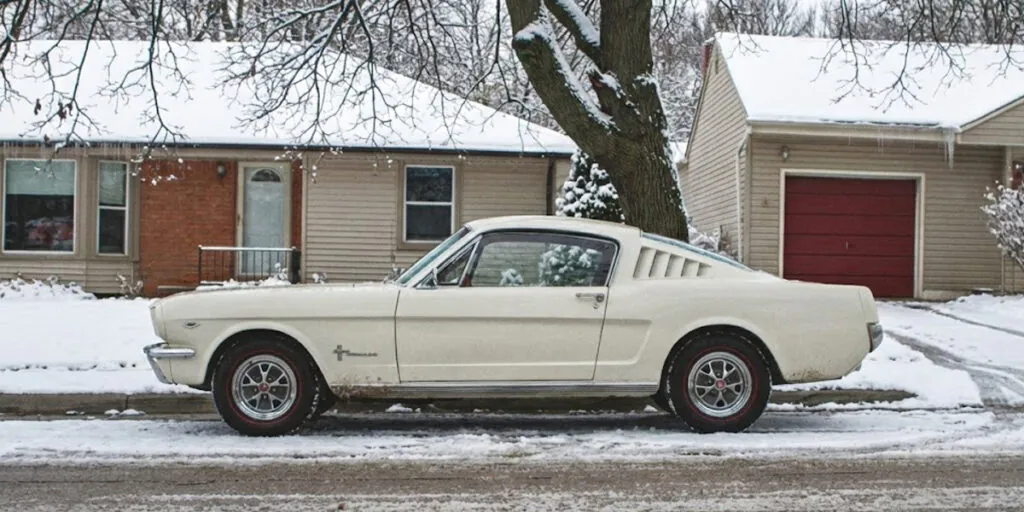
Most classic car owners in cold-weather states know the feeling you get when spotting someone driving their vintage ride in the middle of winter and experiencing a mix of envy, disbelief, and genuine concern. Envy because they’re enjoying seat time while our own cars sit tucked away. Disbelief because we assume their pride and joy is being exposed to road salt, inattentive drivers, or harsh weather. And concern because no enthusiast wants to see a classic suffer unnecessary damage.
The reality is that some classics do require a thorough winterization process that makes spontaneous cold weather driving unrealistic. But many others can be driven in the winter, if you’re willing to take the right precautions. And even for the cars that should stay parked, periodic warm-ups can help keep mechanical issues at bay. Here’s how to decide whether your classic should be driven or just run occasionally through the colder months and how to do either safely.
Cold Weather Isn’t the Enemy
Let’s clear up a common misconception: the cold itself usually isn’t harmful to most post-1950 classics. While pre-war and antique cars may use leather, natural rubber, and materials that don’t tolerate freezing temperatures well, the average classic was engineered to start and run across a wide temperature range.
You’ve probably heard that “cold starts cause most engine wear.” That’s true, but from your engine’s perspective, every start is a cold start until it reaches its normal operating temperature around 200°F. Starting the car at 20°F isn’t dramatically different from starting it at 70°F. The sluggish cranking many of us associate with winter comes from weakened batteries, not the engine itself.
If you have a delicate or high-performance engine, switching to a lighter-weight oil before winter can make those first few seconds of lubrication easier and reduce wear.
Even if you don’t plan on driving your classic until spring, periodically running it is beneficial. Gaskets, seals, bearings, and other components can dry out or corrode when left idle for months. Bringing the car up to temperature circulates fluids, keeps moving parts lubricated, and prevents issues like seized calipers or pitted bearings.
For most enthusiasts, a controlled start-and-run session will prevent more problems than it introduces.
Drive or Don’t Drive? Here’s the Big Deciding Factor
Cold weather itself isn’t the biggest winter threat, road salt and modern de-icing chemicals are. Salt finds its way into hidden seams and cavities where it accelerates corrosion, and it doesn’t need to be visible on the pavement to be active.
If the roads have been treated, it’s safest to keep the car parked unless you’re prepared for a full underbody rinse afterward. Many owners wait for a warm rain to naturally wash the roads clean before taking the car out.
You also need to account for other drivers. Large SUVs and trucks may not expect a classic or sports car to be on the road in winter conditions and may not see you easily. Extra caution is essential.
If the roads are clear and clean, you can drive. If not, stick to a controlled warm-up session in the garage.
How to Warm Up Your Classic the Right Way
Before you start:
1. Keep yourself safe
- Ensure proper ventilation. Open the garage door fully and consider using a fan.
- A carbon monoxide monitor is a smart addition.
2. Give the car a quick health check
- Verify fluid levels.
- Inspect your oil quality; change it if it’s dark or contaminated.
- Inflate tires to proper pressures.
- Make sure any projects under the hood are complete and no tools or components were left in place.
Many owners also keep a jump box on hand in winter to reduce stress on their battery during starts.
3. Start the car with minimal wear
- For some engines, adding a small amount of oil to the valvetrain before starting helps.
- If your ignition and starter are separate, or if you can crank without firing by removing plug wires, you can pre-circulate oil for 15–20 seconds.
- Once it fires, let it idle. Don’t rev it. Listen, watch the gauges, and let the car warm up steadily.
4. Once it reaches operating temperature
- If you’re driving it, now’s the time.
- If not, light throttle blips are fine, redline revving is not.
- If space allows, move the car a few inches to relieve stress on tires and bearings.
- Some owners briefly run the heat and A/C to keep those systems from sticking.
When you’re done, monitor the car for a few minutes to confirm no leaks or issues have appeared.
Should You Re-Winterize?
If you took the car out or ran it long enough to get everything hot, you may need to refresh a few winter storage steps:
- Refill the tank with fresh, stabilized fuel
- Top off tire pressures
- Clean the underbody thoroughly if it encountered salt or slush
- Make sure the car is dry before covering it
Once that’s done, your classic is ready to rest until the next warm-up session, or the next unexpected winter drive.
Enjoying Your Classic All Year Long
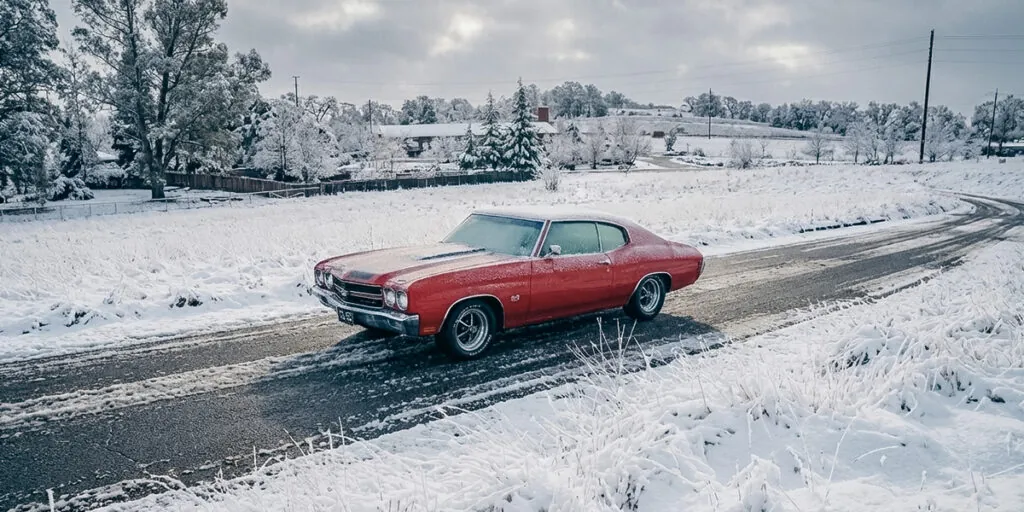
With a little care and a smart approach, cold weather doesn’t have to mean months of separation from your classic. Whether you’re running it in the garage or picking your moment for a crisp winter drive, taking these steps will keep your car happy and healthy, and might even leave other enthusiasts doing a double-take when they see you on the road.