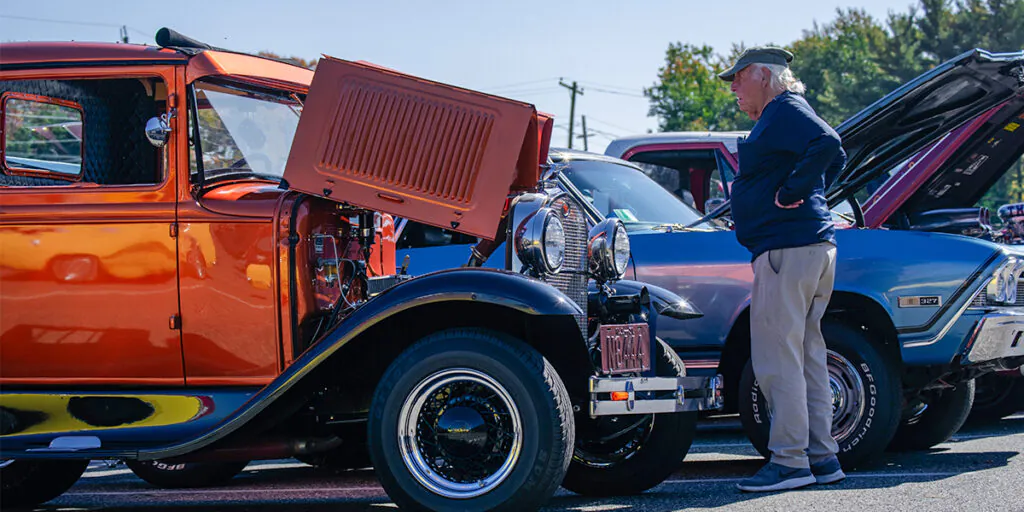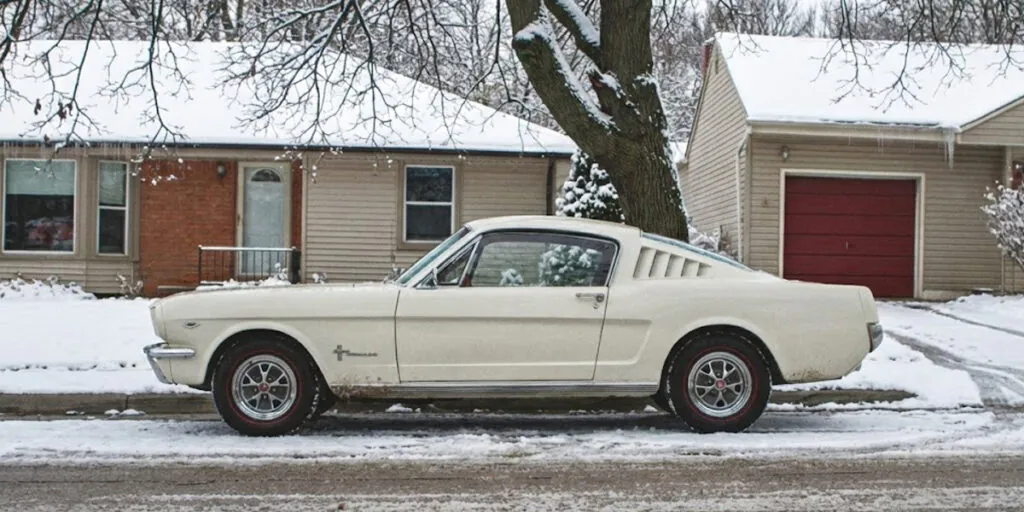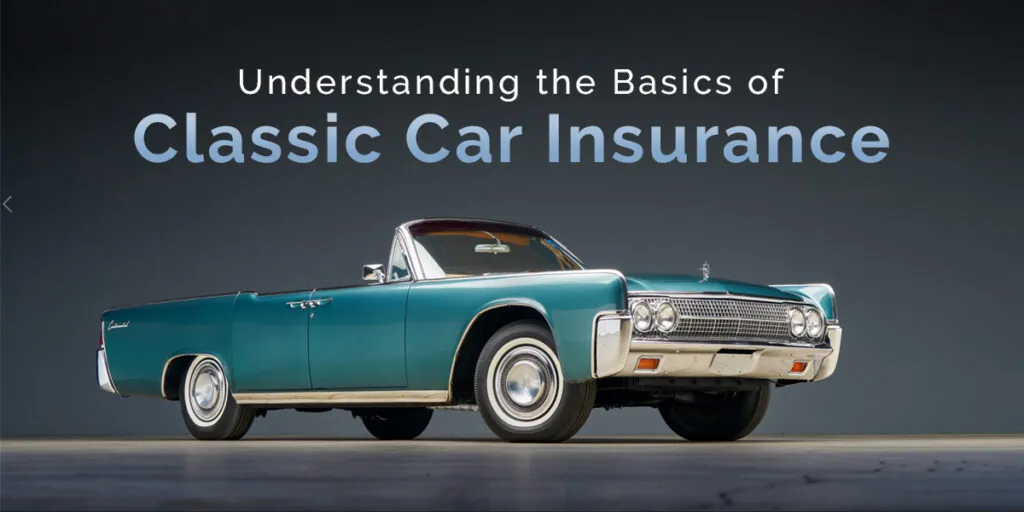
Owning a classic car is more than just having a mode of transportation—it’s a passion, an investment, and a piece of history. Because these vehicles often appreciate in value rather than depreciate, traditional auto insurance policies may not provide adequate protection. That’s where classic car insurance comes in. This specialized coverage ensures that your prized possession is properly insured based on its true worth. We’ll cover the basics of classic car insurance, how it differs from standard policies, and what to look for when choosing the right coverage.
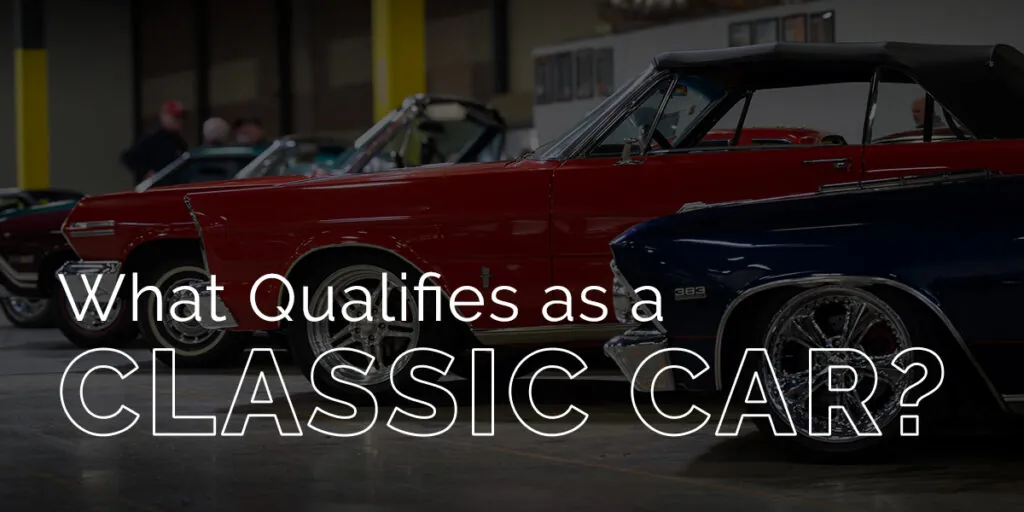
What Qualifies as a Classic Car?
Generally, a classic car is defined as being at least 25 years old, well-maintained, and used primarily for car shows, club functions, or occasional leisure driving.
Insurance providers may also classify collector vehicles into different categories:
- Classic Cars: Typically, 20–40 years old and maintained in good condition.
- Antique Cars: Vehicles that are 45 years or older.
- Collector Cars: Includes rare, exotic, or limited-production models that may not yet be classified as antique.
Classic and collector car insurance isn’t always black and white. Different insurers often have varying eligibility requirements, and various factors can influence whether a vehicle qualifies for coverage. It’s important to check with a classic car insurance provider to determine if your vehicle is eligible.
How Classic Car Insurance Differs from Standard Auto Insurance
Classic car insurance differs from standard auto insurance in several ways:
1. Agreed Value
Unlike Standard Auto Insurance, Classic car insurance policies insure your vehicle based upon agreed value. This means you and the insurance provider agree on the car’s value upfront based upon the vehicle’s condition and current market values. A value guide such as, classiccarvalue.com may be referenced in order to verify the current value of your specific vehicle. Having an agreed value policy, ensures you (the insured) receive the full insured amount of the vehicle in the event of a total loss.
2. Mileage Restrictions
As mentioned earlier, classic cars are not typically used for daily driving but are instead reserved for car shows, club functions, or occasional leisure drives. Because of this, most policies include mileage restrictions. These limits vary by provider but are generally designed to accommodate lower vehicle usage. Insurance companies may offer different mileage plans to fit your individual needs, ensuring you’re not paying for more coverage than necessary.
3. Storage Requirements
One key qualification often found for classic car insurance coverage, is classic cars must be stored in a secure garage or storage facility. Proper storage reduces the risk of damage and theft, which helps keep insurance costs lower.
4. Specialized Coverages
Classic car insurance offers unique coverage options tailored to collectors, such as:
- Spare parts coverage for rare components.
- Restoration coverage to protect cars undergoing restoration.
- Roadside assistance and towing specifically designed for classic vehicles.

Classic Car Insurance Discounts
*Several factors influence the amount you’ll pay for classic car insurance, including:
- Vehicle Age & Condition: Older, well-maintained, or rare models typically require higher coverage.
- Security: Depending upon the year of your vehicle, using anti-theft devices, emergency locks or breaks, may reduce premiums.
- Usage Restrictions: The less you drive your classic car, the lower the cost based on lower mileage plans needed.
- Defensive Driving Course: Completing a defensive driving course may make you eligible for a discount.
- Car Club: Being a member of a verified car club can pay off by making you eligible for a discount, as it demonstrates your dedication and involvement in the car community.
Common Coverage Options for Classic Cars
When selecting a classic car insurance policy, you’ll typically find these coverage options:
- Liability Coverage: Protects you if you cause damage or injuries while driving your classic car.
- Comprehensive & Collision Coverage: Covers damages from accidents, theft, vandalism, or natural disasters.
- Uninsured/Underinsured Motorist Coverage: Protects you if another driver without sufficient insurance damages your car.
- Restoration Coverage: Covers vehicles being restored, including parts and labor.
Classic car insurance is essential for protecting your investment while ensuring you receive full value in the event of loss or damage. Unlike standard auto insurance, it provides specialized coverage tailored to the needs of collectors. By understanding how classic car insurance works and choosing the right policy, you can drive with confidence knowing your prized vehicle is well protected.
For expert guidance and a policy designed for your unique vehicle, consider reaching out to American Collectors Insurance for a quote today.
*Some discounts are state specific.