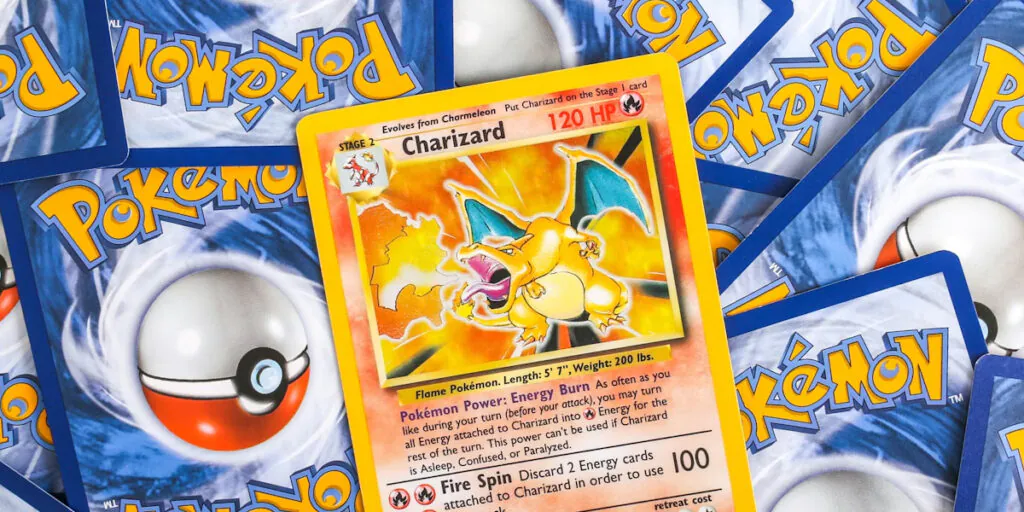
Pokémon cards are no longer just a trip down memory lane, they’re serious collectibles. What started as playground trades in the late 1990s has evolved into a global market where individual cards can sell for five, six, or even seven figures.
The Pokémon Trading Card Game (PTCG) continues to thrive as we continue through 2026 with vintage cards setting auction records and modern chase cards maintaining strong demand. Whether you’re rediscovering cards from childhood, an investor, or a new collector, understanding what your Pokémon cards are worth today, and why, is an essential part of the hobby.
This guide breaks down how Pokémon card values are determined today, which cards continue to perform well, and what collectors should consider when protecting their collections.
Why Pokémon Card Values Matter in 2026
Although the market for collectibles continues to fluctuate, Pokémon remains one of the most resilient franchises in the world. From new video game releases, competitive play, and a growing interest in younger collectors, demand stays strong across multiple generations.
The hobby of collecting Pokémon cards has become more serious than ever. Cards are frequently graded, collections are tracked digitally, and high value cards are treated like fine art or rare coins. With that type of experience, understanding valuation and risk is an important part of the hobby.
The Biggest Factors That Determine Pokémon Card Value
1. Card Condition & Professional Grading
Condition is everything. Key condition factors include, centering, corners and edges, surface wear, and print defects. Even the smallest imperfection can drastically change the value of the card.
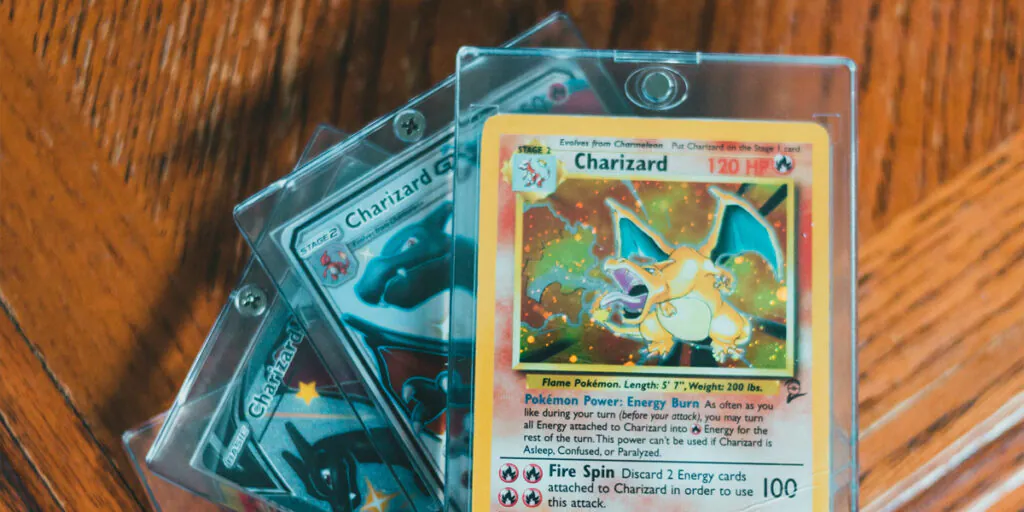
Graded cards from Professional Sports Authenticator (PSA), and Certified Guaranty Company (CGC) often sell for significantly more than ungraded cards. A single grade difference can mean hundreds, or even thousands of dollars depending on the card. For example, a PSA 10 card can sell for multiples of the same card graded PSA 8 or 9.
2. Rarity & Print History
Scarcity drives long-term value. Cards with limited production, short print ads, or unique distribution methods tend to perform the best over time. Some of those cards include, first edition cards, trophy and tournament cards, card designs that were corrected or discontinued, and region-exclusive promos. Collectors are increasingly researching population reports, making rarity data more transparent and more impactful.
3. Age
If you have cards from the late 1990s and early 2000s, these can benefit from original collector demand, finite supply, and culture significance. The demand from the late 1990s Pokémon boom now drives a demand for:
- Base set
- Jungle
- Fossil
- Early Ex-era Cards
Newer nostalgia cycles are emerging as well. These sets are from the mid-2000s to early-2010s.
Most Emerging Pokémon Eras in 2026
| ERA | WHY |
| EX Era (2004-2007) | Gold Stars, ex cards, low surviving mint copies |
| Diamond & Pearl | Undervalued nostalgia, Gen 4 Love |
| Platinum | SP Pokémon, low pop reports |
| Black & White | First Full Arts, collector aging curve |
| Legendary Treasures | Shiny nostalgia crossover |
4. Pokémon Character Popularity
Some Pokémon consistently outperform others.
Currently, characters that continue to dominate the collector demand include:
- Charizard
- Pikachu
- Mew and Mewtwo
- Rayquaza
- Umbreon
Cards that feature Pokémon, particularly in iconic artwork or chase slots, often maintain liquidity even in the slower markets.
5. Market Transparency & Sales Data
Price tracking tools, auction archives, and online marketplaces make Pokémon card pricing more transparent than ever before. Collectors monitor:
- Recent auction results
- Population changes
- Marketing volume trends
This data helps collectors understand value, but it also highlights how much is actually at stake.
Pokémon Car Value Ranges in 2026
Entry-Level Pokémon Cards ($10-$250)
- Moden ultra rares
- Ungraded vintage cards (common and uncommons)
- Recent promo cards
These collections are often underestimated and can add up quickly.
Mid-Tier Pokémon Cards ($250-$2,500)
- PSA 8-9 vintage holos
- Modern chase cards
- Lower-grade first edition cards
This tier represents a large percentage of insured Pokémon collections today.
High-Value Pokémon Cards ($2,500-$25,000+)
- PSA 10 vintage holos
- Trophy and tournament cards
- Iconic errors or exclusives
Cards at this level are viewed as high-value collectibles deserving long-term protection.
Why Knowing Your Card Value Matters
As Pokémon card values continue to rise, the risk of them does as well. From theft to fire and water damage, and accidental loss. Many collectors will discover when it’s too late that homeowner or renter insurance doesn’t provide the necessary coverage. These policies typically cap collectible coverage, exclude trading cards altogether, and require detailed documentation after a loss.
In 2026, serious collectors are turning to specialized collectibles insurance, like American Collectors Insurance, to protect the true value of their Pokémon collection.
Pokémon Cards Are More Than Just Collectibles
In 2026, Pokémon cards sit between, nostalgia and a hobby of collecting. Values can change, markets can shift, but well preserved and documented cards continue to hold their worth.
It’s essential to understand the worth of your Pokémon cards. Once you know their value, properly protecting them is the next step in your journey.