Ask a classic car enthusiast when the best time to buy a classic car is, and you might hear a line straight out of the movie, A Few Good Men: “Is there any other kind of time?” The truth is there’s never a bad time to buy a classic car. However, being strategic can sometimes save you money or make the buying experience a little smoother.
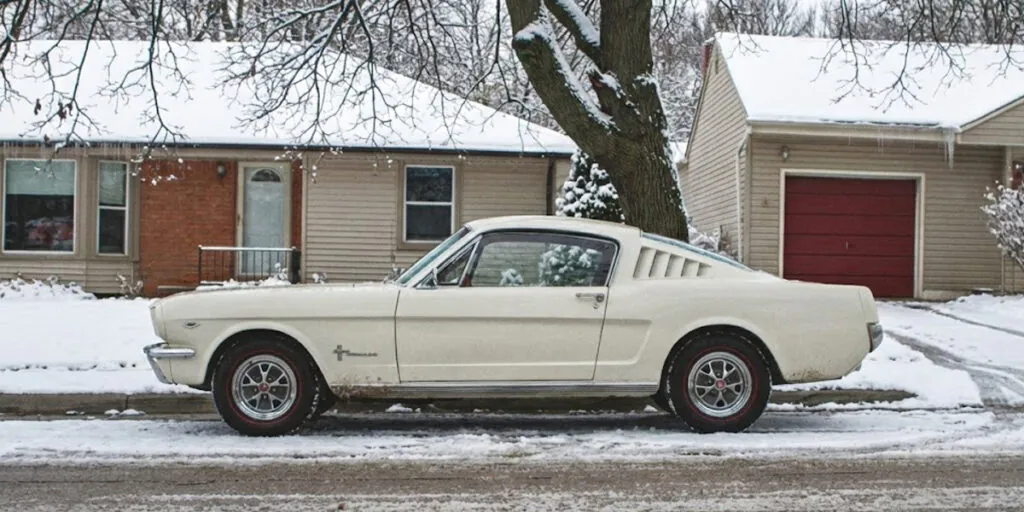
Back in the days when automakers sold sporty cars with hidden headlights or sharply angled hoods, used-car dealers talked about “pointy nose season”. That was the sweet spot, roughly February-September, when dealerships wanted to buy these cars for resale. Before February, cars sat in the snow while the dealer paid interest in inventory. After September, the risk was that a car wouldn’t sell before winter. Even in warmer climates, winter slows demand for classic cars.
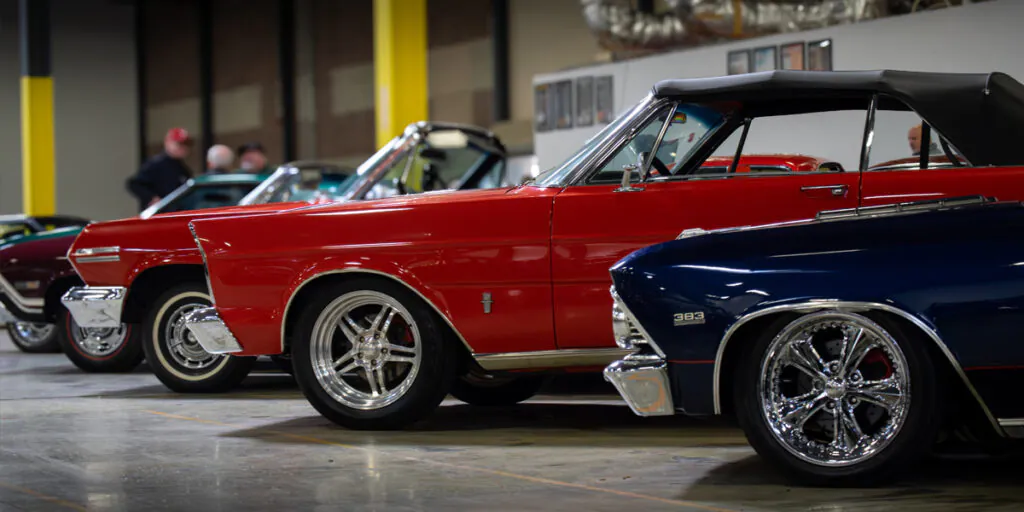
Classic cars and classic trucks tend to behave the same way. They’re not winter drivers, so dealer activity follows the same patterns. But as a private buyer, your goal is different. You’re thinking long-term, not turning inventory. That means you might be willing to buy a car in the dead of winter if it saves you money, even if you can’t drive it right away.
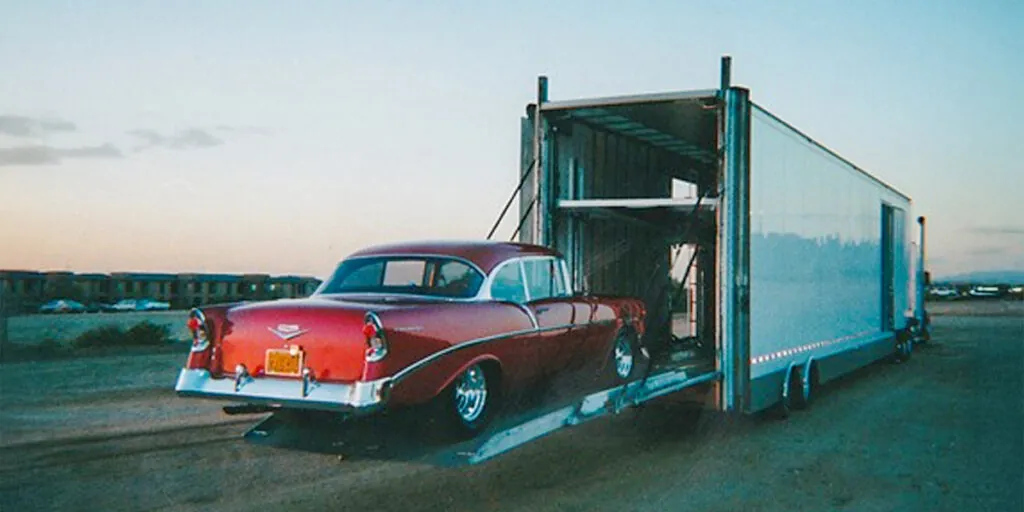
If your goal is the lowest price possible, winter can be prime hunting ground. Many owners stop actively listing or selling their classic cars after November, so any vehicle available during these months often comes with a motivated seller and someone who is ready to negotiate. If you have the cash and a way to transport the car, winter deals might be the real deals.
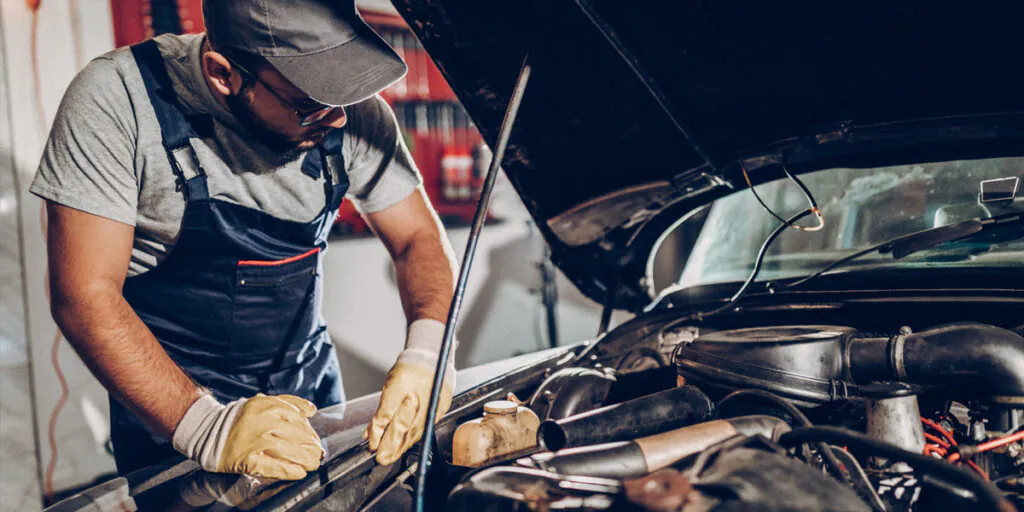
That said, winter buying has its challenges. Evaluating the car’s condition can be tricky. Owners may not want you to start the engine or take the car outside. A pre-purchase inspection can get complicated and costly, since the car may need to be transported to the inspector. If you’re inspecting indoors, bring a bright LED lamp and pay close attention. Even the best indoor lighting can make flaws disappear, especially on clearcoat finishes. And remember, some winter savings may be eaten up by shipping, storage, or winterizing costs.
Another good time to buy? Right before the storage season, usually October or November. Owners are thinking about the costs of winterizing and storing their classic cars and may be willing to discount a bit. You’ll pay less than spring buyers, but you won’t enjoy your classic car for long before it goes back in the garage.
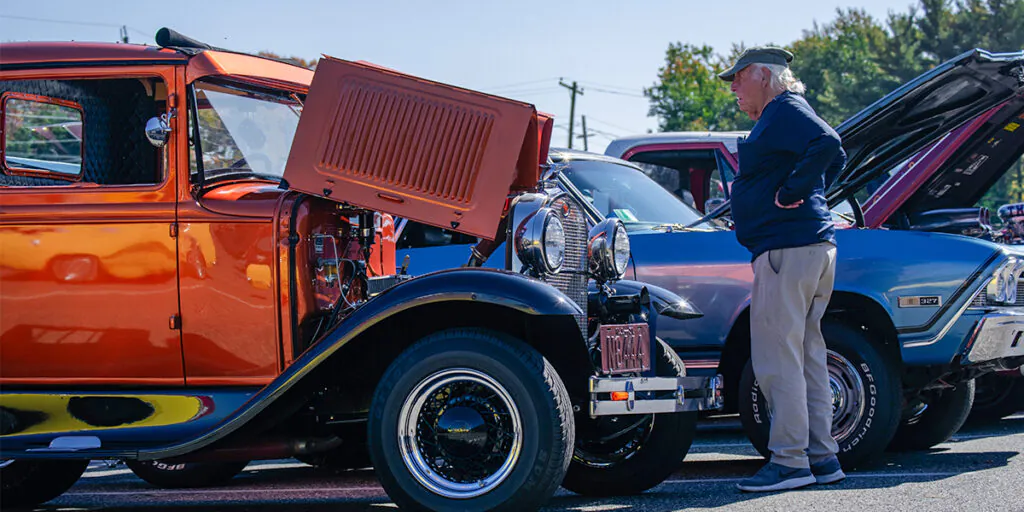
Early spring is another option. Yes, prices tend to be higher, and competition is fierce, however, you get to drive your dream car immediately. Maintenance and service are easier, too, since shops aren’t swamped yet.
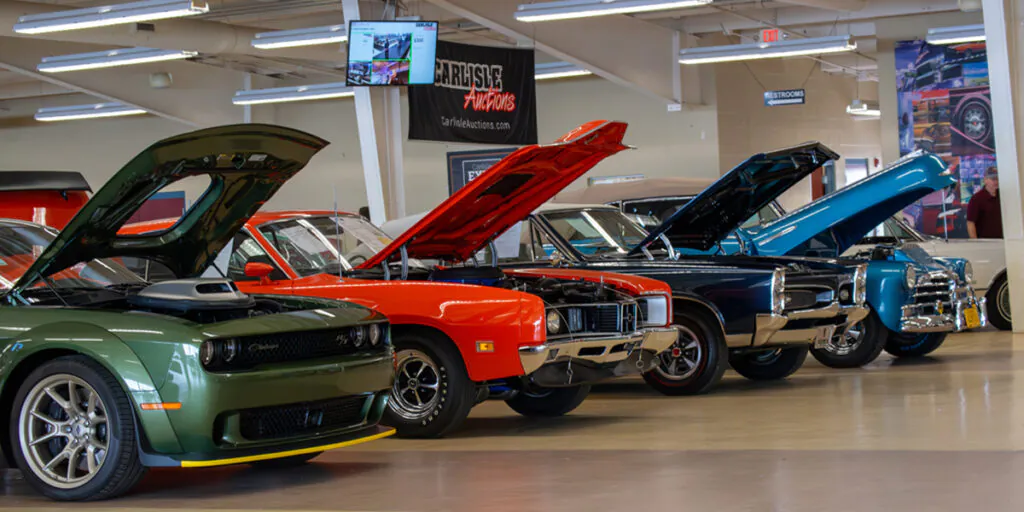
Looking at auction results seasonally often impacts price by only around 5%, so the difference isn’t huge. Ultimately, the best time to buy a classic car comes down to your priorities. If you love hunting bargains, winter’s your playground. If you’d rather enjoy your classic car right away, spring is perfect. Either way, the key is the right car, not the calendar.
So, when is the best time to buy a classic car? Anytime you’re ready to make it yours.