“It’s only original once.” This phrase has become commonplace in the classic car community because it captures an important truth: every time you make the choice to restore or alter any part of a classic, you reduce the overall originality of the vehicle.
In a way, every classic car owner is also a curator, preserving their vehicle not only for their own enjoyment, but for future generations as well. Those of us who collect Brass Era cars, or even most classics from before 1980, can attest to the fact that each vehicle bears the mark of every decision made by its previous owners.
Because of this, it’s important to be thoughtful about any decision that affects a car’s originality. But “thoughtful” doesn’t mean “inflexible” or “dogmatic”. While you may be the curator of your classic car, you are also the owner, so your own enjoyment and experience should be just as important. To coin a phrase, you have the “right to restore”, if you so choose.
You might be considering restoring your favorite classic. Should you do it? And what kind of restoration makes the most sense? Should you pursue a 100-point concours outcome, or opt for a “restomod” that’s easier, and more enjoyable, to drive regularly?
Before getting started, it’s worth taking the time to define your goals and make all the subsequent decisions accordingly.
Mechanical Considerations: Original vs Improved Performance
What’s the biggest difference in the ownership experience between an original classic and a fully restored one? Let’s explore a few scenarios.
If you already own a high-originality, well-preserved classic car, a concours-level restoration may not significantly change your driving experience. For example, if your sixties-era muscle car still has a properly functioning four-drum brake setup, simply restoring those brakes won’t dramatically improve drivability. You’ll still need to play your braking, avoid lockup, and manage heat on long descents.
However, if you’re working with a survivor-grade car with worn brakes, doing a full restoration to factory specs can make a noticeable difference. Going a step further, such as upgrading to modern four-wheel disc brakes can significantly improve safety and predictability.
The key question becomes: Do you want to return the car to its original condition, or improve upon it?
Carburetors vs EFI: Reliability vs Originality
Moving from stopping to starting and running, rebuilding and balancing carburetors can resolve a wide range of performance issues. On the other hand, converting to an aftermarket electronic fuel injection (EFI) system reduces originality but greatly improves reliability, especially for cold starts and high-altitude driving.
So, what matters most to you? The satisfaction of opening the hood to a period-correct Six Pack setup, or the confidence that your car will start and run flawlessly every time?
Your answer may determine how often, and how far, you’re willing to drive your classic.
Restoration Philosophy: Stock vs. “Better Than Stock”
In most cases, we have two options for mechanical items:
- Restore components to factory specifications
- Upgrade them beyond original performance
Interestingly, improving performance can sometimes be more cost-effective than sourcing or rebuilding original components. Owners of complex vehicles, like the Mercedes 600 Grosser, often explore modern alternatives to intricate factory systems.
That said, every modification changes the ownership experience. A fuel-injected engine won’t sound or behave quite like a carbureted one, and aftermarket suspension systems will alter ride quality.
Found your next collector car? Protect it in minutes.
No depreciation, no surprises. ACI's agreed value coverage gives you the full amount you insured it for.
Drive More vs. Preserving Originality
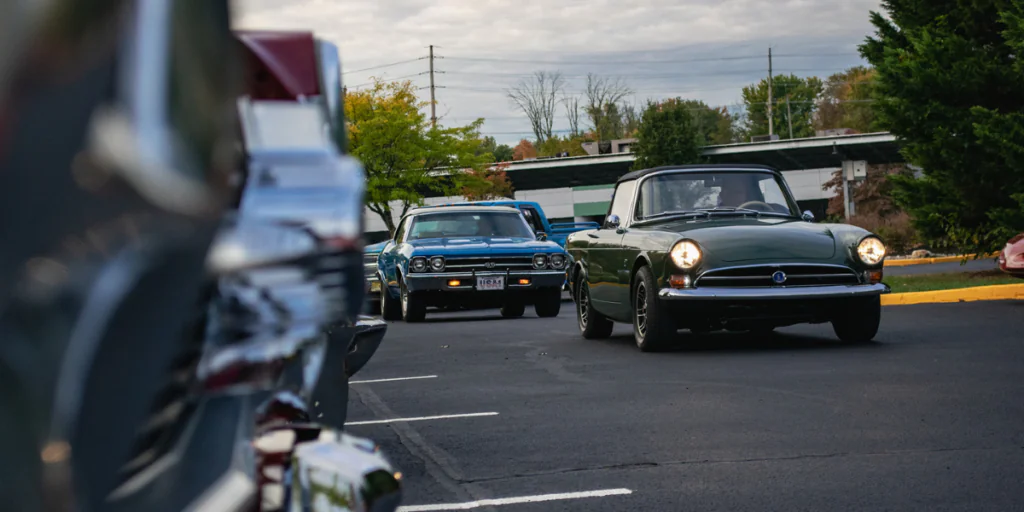
Across the classic-car community, there’s a growing trend toward making cars more usable. Many owners choose upgrades that allow them to drive often, and with greater confidence.
For many, this leads to a more enjoyable ownership experience. A classic car you can use without hesitation is incredibly rewarding, even if it’s no longer 100% concours-original. From local shows to long-distance touring, prioritizing reliability and usability opens up more opportunities behind the wheel.
Aesthetic Choices: Patina vs Perfection
When it comes to appearance, decisions become more nuanced.
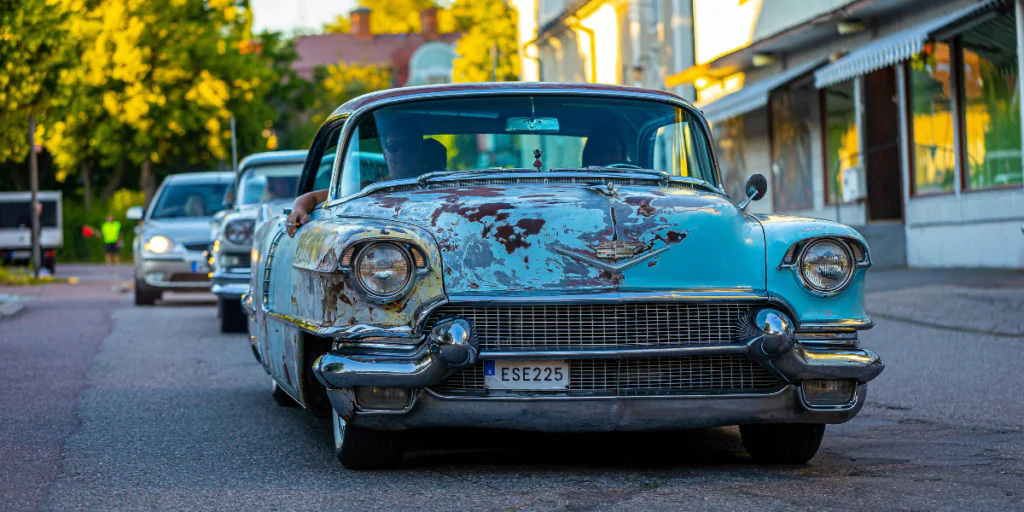
There’s a strong case for preserving imperfect paint, bodywork, and interiors especially for cars driven regularly. A full rotisserie restoration may result in flawless finishes, but it also requires significant time and takes the car off the road.
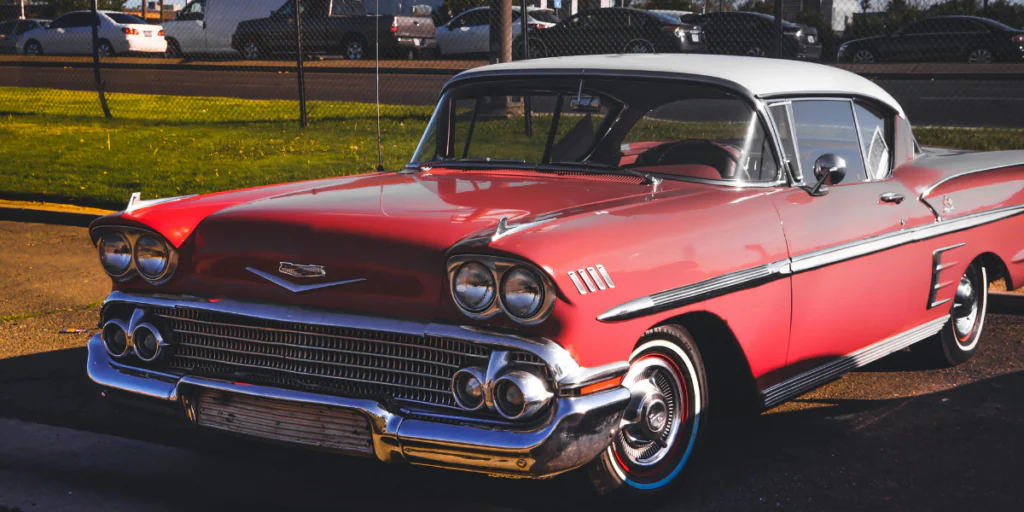
You’ll need to weigh the satisfaction of pristine, show-quality against the lost driving time and added stress of maintaining perfection.
The Rise of the “Survivor Car”
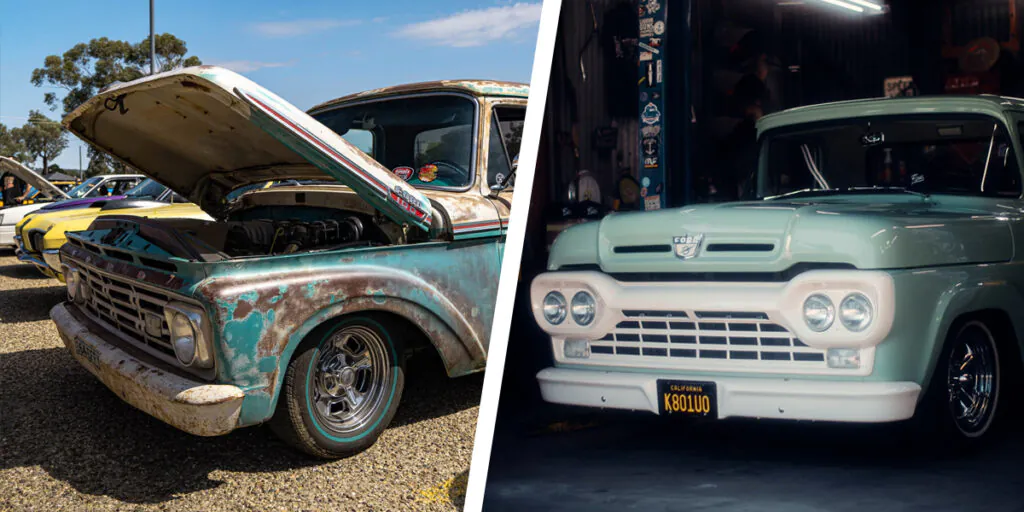
The term “survivor” became popular decades ago, describing unrestored vehicles that retrain their original character. Today, that look has become highly desirable.
Some owners intentionally restore their cars only to a “used but preserved” condition, similar to how the car might have looked in the 1980s. This approach includes details like slightly worn interiors, minor imperfections, and aged paint.
For many, it’s the perfect balance: a car that looks authentic, feels lived-in, and can be enjoyed without constant worry.
A Practical Rule of Thumb
If your car isn’t destined for concours judging, a simple rule can guide your decisions:
Fix what genuinely affects your enjoyment.
Address safety concerns, reliability issues, and anything that detracts from your driving experience. Minor cosmetic imperfections can often wait until next season, the next budget window, or the next owner.
Build the Experience You Want
None of this means you must or even should avoid performing (or commissioning) a full restoration to showroom spec. For some owners, nothing compares to stepping into a car that looks and feels exactly as they remember.
That said, it’s worth remembering that nostalgia can be a bit forgiving. A restored sixties muscle car won’t perform like a modern vehicle, and even a vintage Rolls-Royce isn’t as quiet as you might remember.
Ultimately, the “right” choice comes down to your priorities. Whether you preserve the originality, pursue perfection, or build a more usable classic, the goal is the same, to create an ownership experience you truly enjoy.
Found your next collector car? Protect it in minutes.
No depreciation, no surprises. ACI's agreed value coverage gives you the full amount you insured it for.