The Seasonal Mistake That Costs Real Money
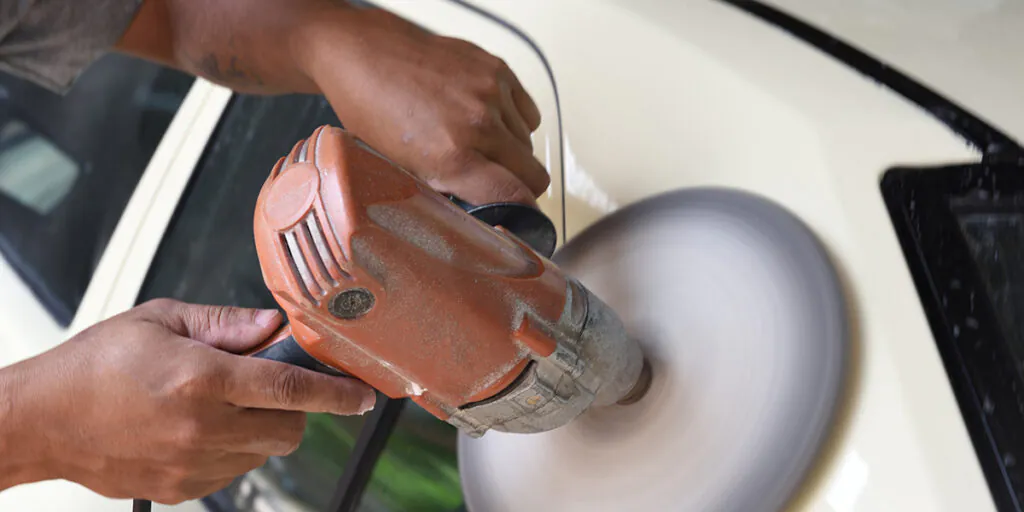
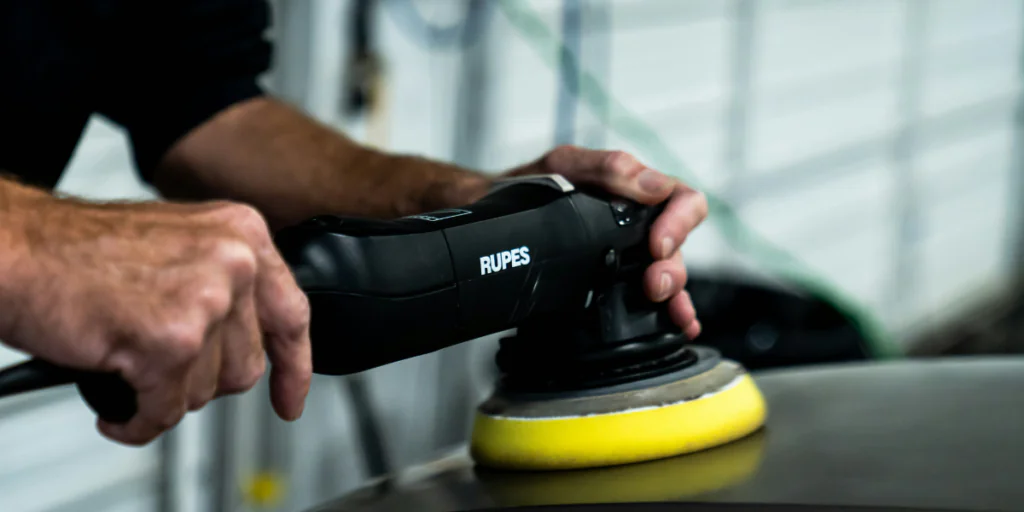
Every spring and summer, thousands of classic car enthusiasts bring their cars out of storage, reconnect the batteries, wipe down the interior, check the tires for air pressure, then immediately reduce the value of those cars by a potentially significant amount. How does this happen? Usually, with a random orbital buffer.
You’ve no doubt read and seen a lot about “paint correction” and other professional detailing techniques. The hype behind paint correction is so overwhelming that many classic and collector car buyers immediately send each new purchase for paint correction, then return it to the same detailer as often as four times a year. This can result in a very sharp and showroom-fresh-appearing car. However, it can also harm the car and make it significantly more difficult to sell down the line.
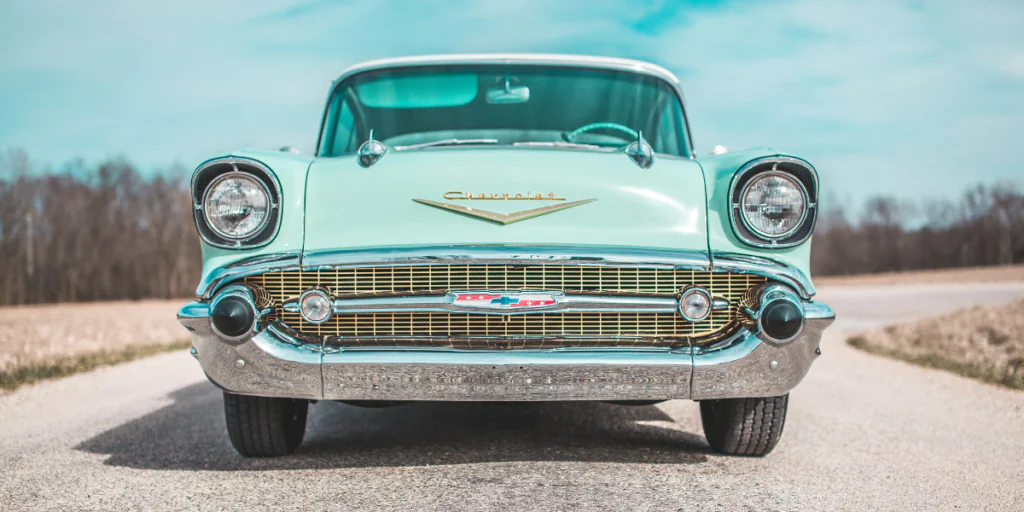
“It’s Only Original Once”
To understand why, let’s go to that old motto: “It’s only original once.” That applies to everything from seats to the stickers on various components under the hood. But it especially applies to paint. Modern vehicles arrive from the factory with between 30 and 100 microns’ worth of clearcoat on top of the color coat. To put this in perspective: an inexpensive gold-plated watch or bracelet will often have 20 microns’ worth of gold on top of the base metal. Your clearcoat is about one-tenth as thick as your credit card.
What “Paint Correction” Really Means
“Paint correction”, which used to be known as “rubbing the paint out” before social media came up with a fancy name and exhaustive process for everything our grandparents did without much fanfare, doesn’t actually correct paint.
What it does is remove a layer of paint or clearcoat from the car, using very fine-grain abrasives. Since the top layer of automotive paint is often oxidized and/or contaminated with pollutants from the environment, this brings the shine back to your car and makes it look brand-new.
This process can easily remove between 5 and 10 microns of clearcoat or single-stage paint. Let us do the math for you: that means a factory-new supercar or sports car might be able to be “paint corrected” twenty times in its lifetime, or three times, depending on the original paint thickness and the aggressiveness of the correction.
When Things Go Wrong: Burned Paint
Here’s where things get dangerous. Many professional detailers will privately admit two things:
- They’ve “burned paint” on a lot of customer cars, especially early in their careers
- They rarely let the customer know
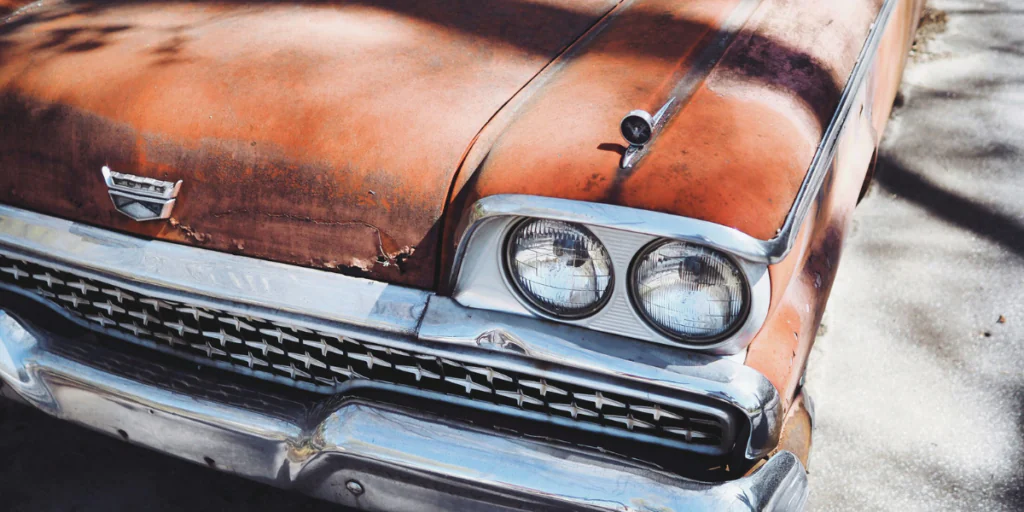
“Burning the paint” refers to buffing or abrading below the clearcoat, into the color coat. If a car is detailed often enough, it will eventually burn.
The first time a car is “burned” it may look just fine, especially if a thick layer of wax is applied afterward. Once the wax wears off and the sun starts baking the exposed color coat with UV rays, the consequences appear. Without adequate UV protection, the paint will quickly begin to fade until it is a rough matte finish. A drive through the Southwest will show you plenty of examples.
The Costly Fix No One Wants
What’s the remedy for burning the paint? At a minimum, spraying a new layer of clearcoat over the damaged color coat.
Very few shops can do this to a factory standard, and the ones that can tend to be very enthusiastic about pricing. Most body shops won’t even recommend it– they’ll go straight to suggesting a full repaint. Which is never cheap and also removes originality from the car. It’s a no-win proposition.
Found your next collector car? Protect it in minutes.
No depreciation, no surprises. ACI's agreed value coverage gives you the full amount you insured it for.
Older Cars Aren’t Immune
Do you own a classic from before the age of clearcoat? You might have 200 microns’ worth of lacquer on your car. Most cars made before the 1990s are more tolerant of buffing or paint correction.
However, you must consider that your car may have been buffed dozens of times in the years before your acquisition. You’re still very much at risk.
The Smart First Step: Measure Before You Polish
How do we reduce or eliminate that risk while still keeping our cars ready for a concours or Saturday night at the drive-thru?
The first step: buy a paint meter. These were once thousand-dollar specialty tools but can now be found online for as little as fifty dollars. Practice until you can reliably get the same reading from the same spot every time, the document the paint thickness across the car.
If your paint is already too thin, you will be limited to a few restorative practices we’ll discuss below. If you have paint to spare, however, talk to your detailer about one good paint correction that you then maintain with less intrusive methods afterward.
Working With a Detailer the Right Way
A good detailer should be willing to confirm your paint thickness with you before starting and review readings afterward. Most won’t resist, this eliminates one of the professional detailer’s biggest nightmares: burning through an already-thin paint job.
The best pros can estimate how much paint various techniques will remove and let you make the call. It’s your car, after all.
Protecting Paint Without Removing It
Once the car has been properly corrected, your priority is preventing oxidation and contamination.
Nowadays, that generally means a ceramic coating, either professionally or personally applied. Most ceramic products don’t offer meaningful UV protection, but they are effective at sealing paint against oxidation. A few products, such as Opti-Coat’s Optimum Car Wax and the Zaino Brothers sealants, claim to provide UV protection, though none match the protection of clearcoat.
The real value of ceramic coatings is shielding paint from environmental contamination and chemical exposure.
Covers, Film, and Real-World Protection
Paint Protection Film (PPF) can also help, though many owners of older cars aren’t comfortable applying that film on their classics.
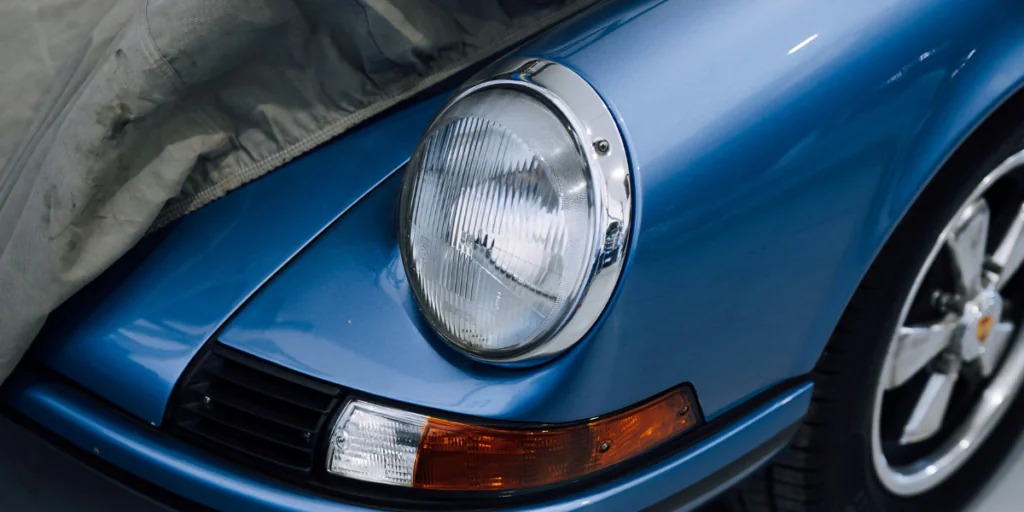
For most vintage vehicles, the best approach is a high-quality ceramic coating applied correctly, followed by a proper car cover. Nothing protects against UV damage like keeping sunlight off the paint entirely.
When Paint Is Already Too Thin
If a paint meter shows bad news, and repainting isn’t an option, there are still safer steps.
Some professionals recommend a thorough wash with dish soap to remove surface contaminants, followed by a paint cleaning clay. While clay bars are slightly abrasive, they remove far less material than buffing compounds.
Used correctly, clay can significantly improve surface smoothness and cleanliness. Take your time. Periodically dry the panel and run your fingers across the surface to gauge progress.
Once clean, apply ceramic coating or other protective measures. The goal is to stay ahead of oxidation so claying doesn’t need to be repeated often, if at all.
Think Long-Term, Not Just Shiny
There’s a reason that modern paint correction is so popular: it makes cars look fantastic. But those results come at a cost.
If you’re in this for the long haul, consider the alternatives before removing more paint. Your future self, and the collectors who follow, will thank you.
Found your next collector car? Protect it in minutes.
No depreciation, no surprises. ACI's agreed value coverage gives you the full amount you insured it for.