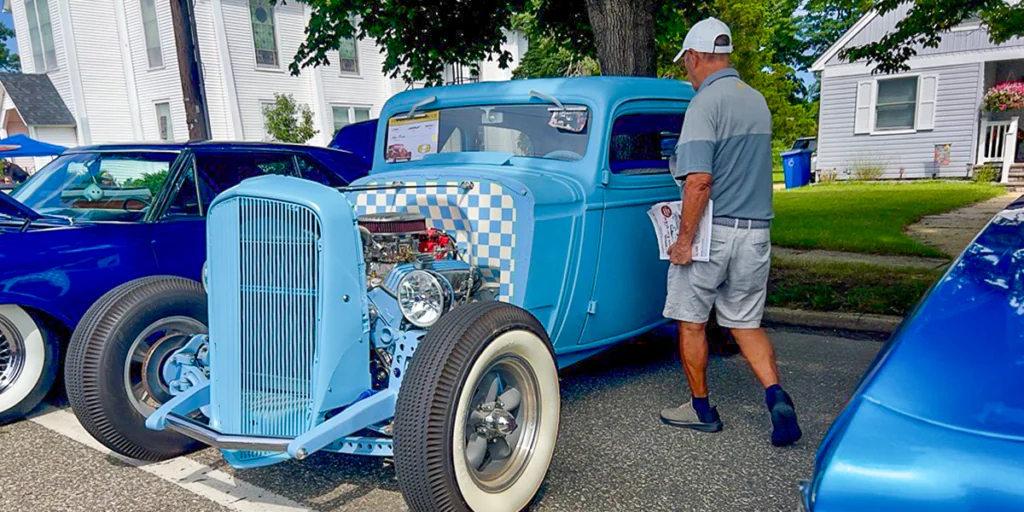
Heading to your first car show? Avoid the rookie mistakes that cost collectors points, credibility, and peace of mind. Here’s what experienced exhibitors wish they knew earlier.
There’s a big difference between attending the Indy 500 as a spectator and crossing the bricks yourself at 220 MPH; ask anyone who’s done both. Similarly, you can attend a lot of car shows as a spectator and still be thoroughly confused when it’s your time to shine. If you don’t know how to prepare for a car show, don’t worry. Every seasoned exhibitor in the hobby started off with little or no knowledge of car show etiquette or preparation. And each of them probably made his or her fair share of rookie car show mistakes from rushing a final detail job in the staging lane to misunderstanding the nuances of the judging criteria.

Knowing these common pitfalls ahead of time is your ultimate competitive edge. In this comprehensive guide, we dive deep into the top first time car show tips that veteran exhibitors wish they had known earlier. Whether your goal is to bring home a “Best in Show” trophy or simply to enjoy a flawless weekend sharing your automotive passion, avoiding these missteps will ensure your debut is a resounding success.
1. Registering for the Wrong Car Show Category
Most judged classic car shows are meticulously organized into specific classes based on a variety of factors, including year range, make, model, and crucially, modification level. The entry form can feel like a combination of a college admissions test and a sit-down with Senator McCarthy: “Are you now, or have you ever been, a non-original powertrain?”. Choose wrongly and your unrestored classic could be judged against vehicles with modern drivetrain swaps and digital interiors. Conversely, putting a lightly modified vehicle into a strict “Original/Stock” category guarantees you will lose points for non-period-correct hose clamps or an aftermarket radio.
The Fix: Read the class rules carefully before submitting your registration. If you are on the fence about where your vehicle belongs due to a minor upgrade (like electronic ignition or radial tires), call the event organizer directly. They will usually be happy to help place your vehicle in the class where it will be judged most fairly.
2. Waiting Until the Morning of to Detail the Car
A proper, show-winning detail job takes significant time and ideal lighting conditions. First-timers often underestimate this and attempt to perform their primary wash and wax in the staging area. Last-minute, rushed detailing inevitably leads to missed spots, swirl marks from wiping dusty paint, and unsightly dried wax crusting in the trim gaps. Furthermore, morning dew and harsh direct sunlight on the showground make applying waxes and sealants nearly impossible without causing streaks.
The Fix: Perform your deep clean, paint correction, and final waxing 1 to 2 days before the event in the controlled environment of your garage. That means a proper hand wash, clay bar, polish, and wax, plus clean wheels and tires finished with a light tire dressing. Choose your route to the event with debris, dirt, and risk in mind. A thirty-minute freeway drive can be better than half a mile down an unimproved road. On the day of the show, your only task should be light touch-ups.
3. Showing Up Late and Losing a Good Spot
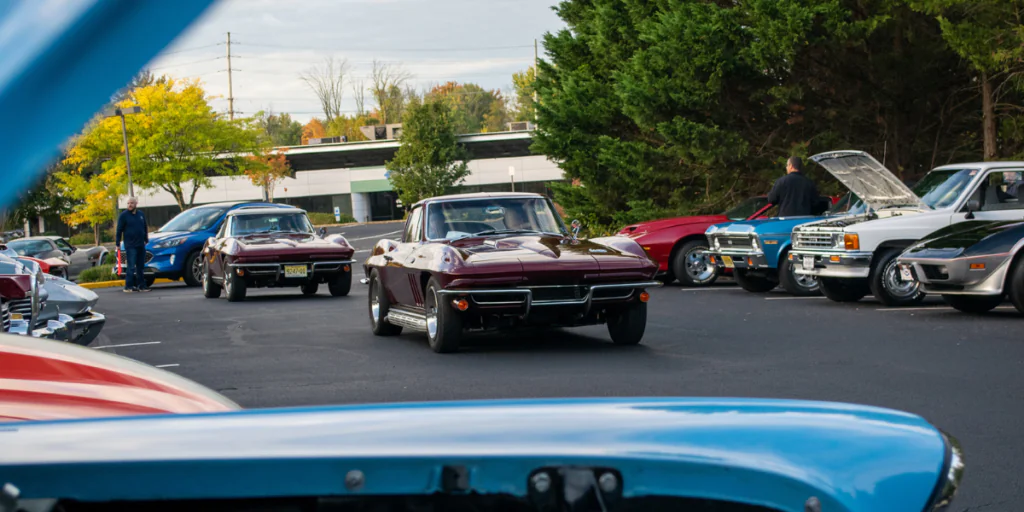
In the world of car shows, arriving “on time” is often considered late. Parking at the vast majority of local and regional shows is strictly first-come, first-served. When you arrive late, you drastically increase the odds of being parked in an undesirable location —such as uneven grass, under a sap-dropping pine tree, or tucked away in a low-traffic corner. Beyond poor placement, late arrivals often miss out on the welcome bags, dash plaques, and the necessary time to calmly execute their final preparations before the spectators flood the gates.
The Fix: Consider arriving 30 to 45 minutes before the gates officially open to exhibitors. This allows you to navigate the staging lines smoothly, pick a premium spot, set up your display materials, and relax with a cup of coffee before the crowds arrive.
4. Not Having Anything to Tell Your Car’s Story
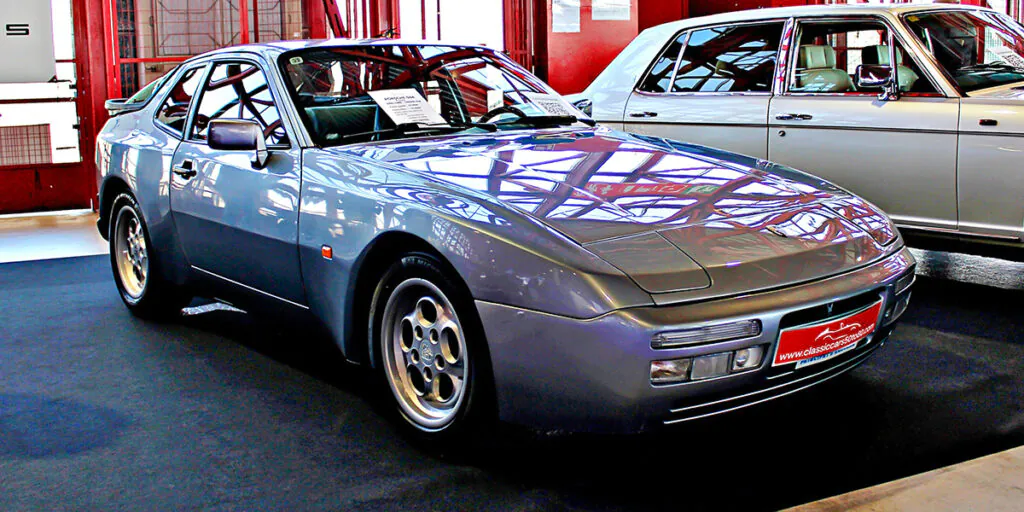
In a perfect world, the judges at your show would know each and every make and model backwards and forward. In the real world, you often have to do a little education, especially if your car is rare or often misrepresented. Judges appreciate context; they want to know if the paint is a rare factory color, if the engine is numbers-matching, or if the restoration took ten years to complete.
The Fix: Prepare a professional-looking car show board or a neatly laminated fact card to place on the windshield or a dedicated easel. Include the year, make, model, engine specs, and restoration history so judges can follow the restoration process. And be prepared to talk about the car with a concise story that sticks in the mind of your show judges.
5. Forgetting to Prep Under the Hood and Underneath the Car
There’s a legend, that happens to be completely true, about a Porsche concours competitor who won a few seasons’ worth of shows by buying brand-new cars right off the transporter… and he still had to put in a hundred hours of cleaning and detailing the cars. Make no mistake: if a show has classes, judges will look everywhere. Neglecting the engine bay, the wheel wells, or the undercarriage will severely cost you points. A single drop of fluid leaking onto the grass, or noticeable road grime on the suspension components, signals to the judges that the prep was superficial.
The Fix: Dedicate an equal amount of detailing time to the engine bay using proper degreasers and detailing brushes. Clean the wheel wells and dress the tires while you are down there. Prior to the event, use an undercarriage mirror to inspect the bottom of the car for hidden grime or leaks. Bring those same mirrors on the day of the show to proudly display your spotless undercarriage to the judges.
Found your next collector car? Protect it in minutes.
No depreciation, no surprises. ACI's agreed value coverage gives you the full amount you insured it for.
6. Over-Decorating the Display Area
Understanding proper car show etiquette extends beyond how you treat other people’s cars; it also applies to how you present your own. There is a fine line between providing context and building an on-site amusement park. Elaborate setups featuring plush “crying kid” dolls leaning on the bumpers, vintage drive-in trays hanging off the windows, fake velvet rope barriers, oversized coolers, and blaring period-correct music often do more harm than good. This kind of clutter can be highly distracting and physically blocks people from appreciating the lines of the car.
The Fix: Keep the display elegant, simple, and entirely centered on the vehicle itself. A compact canopy for shade (placed safely away from the paint) and a tasteful, well-designed show board on a stand is plenty. Let the car be the hero of the display.
7. Hovering Over the Car and Not Engaging with People
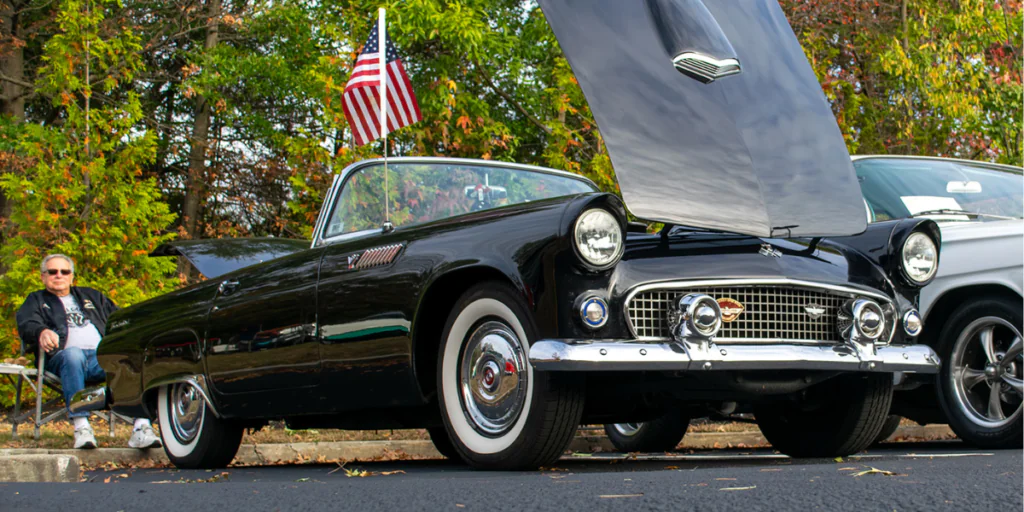
It is completely natural to feel protective of your prized possession, especially if you have poured blood, sweat, and (maybe too much!) money into its restoration. But don’t let that keep you from remembering why you showed up in the first place: to share your classic car with the world. Car shows are fundamentally about community, shared passion, and preserving automotive history. If you hide behind your vehicle in a folding chair scrolling on your phone, or if you’re pacing in front of the car scowling at anyone who passes by, you miss out on the best part of the hobby.
The Fix: Be present, warm, and approachable. Let people look closely, answer their questions enthusiastically, and share the journey of your build. A polite “Please Do Not Touch” sign is perfectly acceptable etiquette, but your demeanor should always remain inviting. If you are concerned about a particular person, stand between them and the car, offering some friendly conversation.

8. Leaving Before the Trophy Ceremony
After a long day in the sun, it can be tempting to pack up and beat the traffic home before the final announcements. Unfortunately, many car shows follow the same rule as a raffle drawing: Must be present to win. Some strict car shows will actually disqualify entries or completely void awards if a car is moved before the trophy ceremony concludes. Even if you’re not expecting an award, think about showing respect to the event organizers who volunteered their time. It can also create a major safety hazard when you introduce moving vehicles into pedestrian-heavy areas.
The Fix: When you register, commit to the entire schedule. Plan ahead by packing a simple show kit: microfiber towels, detail spray, glass cleaner, a folding chair, plus plenty of water, sunscreen, and snacks so you can stay through to the end. Celebrate the winners, even if you don’t take home a trophy yourself.
9. Ignoring the Judging Sheet or Scoring Criteria
If you are wondering how to prepare for a car show competitively, start by finding the rulebook. (If it exists, of course.) Every show evaluates vehicles differently. A local “Show and Shine” might rely on a casual fan vote, while a regional Concours event might use a strict 100-point deduction system scrutinizing factory-correct bolt head markings. First-timers often skip reading these criteria and then wonder why they lost points on easily addressable areas, like missing safety equipment (such as a fire extinguisher) which is sometimes a mandatory point category.
The Fix: Request, download, or thoroughly read the judging criteria well before the show. Treat this document as your ultimate preparation checklist. Tailor your final detailing and display efforts directly to the areas weighted most heavily on the scorecard.
10. Assuming Regular Auto Insurance Covers the Car at the Show
One of the most critical oversights happens before the vehicle even leaves the driveway. First-time exhibitors rarely think to review their classic car policies, often wondering too late: does classic car insurance cover car shows differently than a standard daily driver policy? The answer is a resounding yes. A standard auto policy often does not cover your collector car for specialized show use, trailing risks, or the unique liabilities that occur on a bustling showground. If a spectator accidentally scratches your paint with a belt buckle or a pop-up tent blows into your windshield during a sudden gust of wind, a standard commuter policy may leave you dealing with high deductibles or denied claims.
Furthermore, standard policies typically insure vehicles for “Actual Cash Value” (ACV), meaning they factor in standard depreciation. If the unthinkable happens during transit to the event, you could lose thousands of dollars on your investment.
The Fix: Confirm your coverage well before the season starts. Protect your investment with Agreed Value coverage. Classic car insurance policies, like those offered by us, are built specifically for the nuances of collector use, ensuring you have total peace of mind while on display, during transit, and in storage.
Ready for Your Next Event?
If you follow the above tips, chances are you’ll get through your first car show with flying colors. You might still make a few mistakes, and that’s okay! By taking the time to thoroughly prep your vehicle, understand the specific event rules, and properly protect your investment, you are already miles ahead of the competition. Don’t be surprised, by the way, if “your competition” turns out in the long run to be more like “your friends”.
Looking for more resources to make your next event a success? Explore our additional exhibitor guides below:
- Our Ultimate Car Show Checklist
- How to Prepare for Car Show Season
- Find Car Shows Near You
- Our Car Show Calendar
As always though, before you take your car to a show, protect your investment with classic car insurance built for show use. Get a fast, no-obligation quote so your car is covered on display, in transit, and in storage.
Found your next collector car? Protect it in minutes.
No depreciation, no surprises. ACI's agreed value coverage gives you the full amount you insured it for.