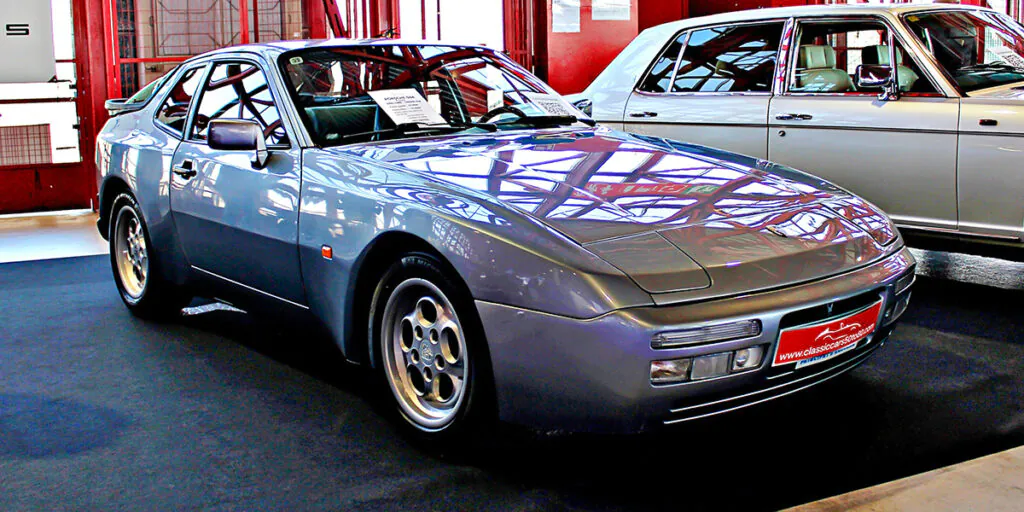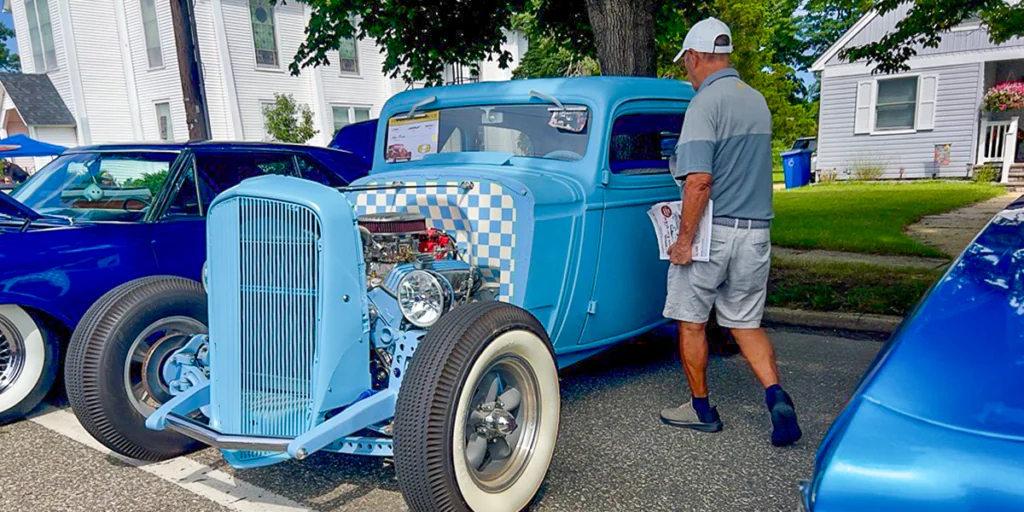
Most automotive hobbyists with little or no experience participating in concours events or serious car shows assume that the judging is purely subjective. They think it is just a matter of which vehicle the evaluators happen to like best on that particular Saturday or Sunday afternoon. The reality is far more structured than that. The best events rely on strict, objective standards. Which isn’t to say that personal preference doesn’t play a role, but it’s much less of a factor than one might assume.
This article explains the reality of the judging table and how car show judging actually works, exactly what gets scored, and where points are truly won and lost. We are going to focus specifically on classic and collector car judging, such as what’s done at points-based and concours-style events, rather than the “popularity contest” judging that often rules the day at neighborhood show-and-shines. Understanding these rigorous systems is the single best way to prepare your vehicle and maximize your chances of taking home a trophy at the end of the day.
The Two Main Ways Shows Are Judged
Before you park on the grass and unpack your detailing supplies, it’s worth taking some time to understand the two main ways shows are evaluated. Your entire preparation strategy should change based on which format the event organizers choose to use. It might dictate whether you should spend your time chatting with the crowd or meticulously cleaning the underside of your wheel wells.
The popular vote format, which is often called participant or spectator judging, is the most common format at local cruise-ins, charity events, and informal community gatherings. In this setup, event attendees and/or fellow entrants(!!) cast ballots for their favorite vehicles. This approach puts less organizational burden on the show itself, but it is also highly subjective. A flashy display, an engaging owner, or a great backstory can easily win the day here.
Most serious events rely on professional or technical judging. In this format, trained experts score each car against a fixed standard using a detailed score sheet. This is where mathematical point systems come into play and where the rest of this guide will focus. (If you don’t have an entry strong enough to shine in this system, don’t lose heart entirely. Many larger events blend the two formats by offering “People’s Choice” awards alongside strictly judged class trophies.)
How the Point Systems Work
For technical events, understanding the scoring method is critical. The most common standard is a 100 point car show judging system and a strict deduction model. Your vehicle starts with a perfect score of 100 points, and the judges subtract fractions of a point, or full points, for every single flaw they find.
A deduction in this system can be surprisingly minor. Judges can dock points for a tiny paint chip, a stray fingerprint on chrome trim, a small fluid leak, an incorrect non-period hose clamp, uneven panel gaps, or even a few specks of dirt tucked deep inside the engine bay.
To keep things fair, vehicles are grouped into classes. This is known as class or category judging. Cars are separated by era, make, body style, or level of modification. They are then scored exclusively against others in that exact same class. A bone-stock original vehicle is never competing directly against a heavily modified custom build.
Organized bodies like the Antique Automobile Club of America (AACA), Goodguys, and various concours d’elegance events each publish their own rigorous standards. In the more formal arenas, authenticity and originality carry immense weight. This means correct factory markings, specific bolt head stamps, and accurate materials are just as important as a flawless shine.
Many larger shows also assign more than one judge per car to reduce individual bias. Multiple judges score the same vehicle independently, without comparing notes until every sheet is turned in, and the high and low scores are often dropped before the remaining scores are averaged into a final total. This is part of why a well-prepared car can still lose a point here or there to one judge’s sharper eye without it sinking the overall score.
In years past, some marque shows, like Porsche Club, used “clean and undamaged” as the sole criterion for judging some classes; one well-known restoration shop became famous for buying new cars off the trailer at their local Porsche dealer and winning that way. But they still had to choose carefully from said trailer, because the average brand-new Porsche wasn’t a 100-point car, and even the best newly delivered vehicles often required a few dozen hours’ worth of rectification. That is how high the stakes can be, and it is why most marque clubs now add a “fudge factor” to make sure competitors with older vehicles are still in the hunt for a trophy.
What Do Car Show Judges Look For?
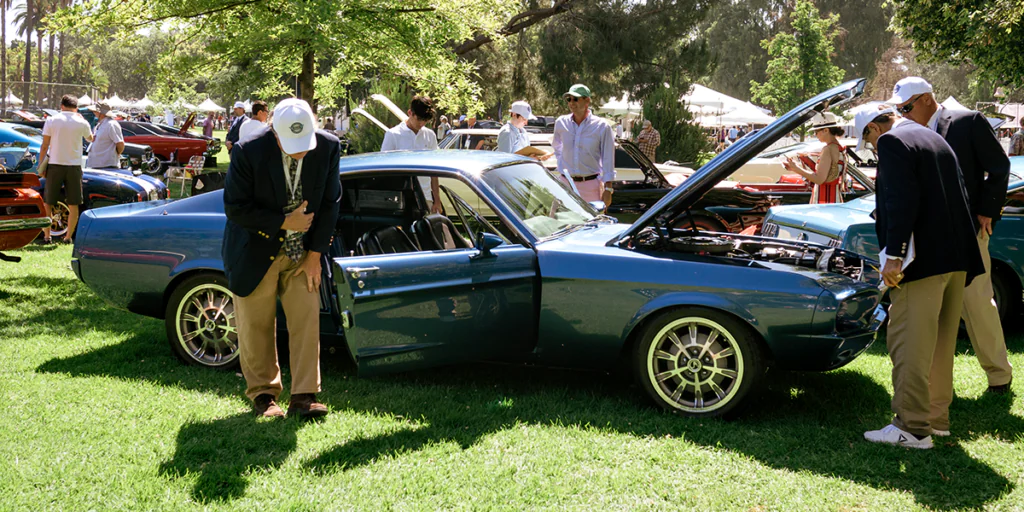
If you want to know what do car show judges look for when they approach your vehicle, the answer lies in the breakdown of the score sheet. Evaluators divide the vehicle into specific zones. Here are the core car show judging criteria they evaluate category by category.
Exterior, Paint, and Body: This is the most visible section of the classic car show judging categories. Evaluators look at overall finish quality and consistency. They check panel gaps, chrome plating, trim condition, and glass clarity. They actively hunt for rock chips, swirl marks, or sloppy paint overspray. Careful clearcoat paint care is essential here. Judges can easily spot uneven polishing, holograms, or dangerously thin spots in modern clearcoat finishes applied during a restoration.
Interior: Judges will heavily scrutinize the upholstery, carpets, dashboard, gauges, and headliner. Extreme cleanliness is simply the baseline. Beyond that, they look for correct materials and colors for the specific model year.
Engine Bay: This is one of the biggest point-swing areas for first-timers. Judges demand extreme cleanliness, correct components, precise hose and wire routing, and proper fluid levels. They look closely at engine geometry, how accessories are mounted, and whether the wiring harness uses the correct period cloth tape. Absolutely no fluid leaks are tolerated in some stricter competitions.
Undercarriage and Chassis: This area is frequently overlooked by owners and heavily scored by judges. Evaluators will use mirrors or drop lights to check underneath the car for road grime, rust, and the historical correctness of the suspension components. Painted parts that should be bare metal will result in a deduction.
Trunk and Spare: The trunk is judged just as harshly as the interior cabin. This inspection includes the condition of the jack, the correct pattern on the trunk mat, and the presentation of the spare tire. Everything should match the day the car left the factory.
Originality and Authenticity: In formal judging classes, correct-for-the-year parts, matching numbers, factory finishes, and original chalk markings matter enormously. In modified or custom classes, the quality of fabrication, engineering safety, and execution of the build can matter more than factory originality.
Overall Presentation and Detail: These are the ultimate tie-breakers. Judges evaluate how the vehicle is displayed, the extreme cleanliness on the day of the event, and the finishing touches that separate two otherwise equal cars.at paint care is essential here. Judges can easily spot uneven polishing, holograms, or dangerously thin spots in modern clearcoat finishes applied during a restoration.
Interior: Judges will heavily scrutinize the upholstery, carpets, dashboard, gauges, and headliner. Extreme cleanliness is simply the baseline. Beyond that, they look for correct materials and colors for the specific model year.
Engine Bay: This is one of the biggest point-swing areas for first-timers. Judges demand extreme cleanliness, correct components, precise hose and wire routing, and proper fluid levels. They look closely at engine geometry, how accessories are mounted, and whether the wiring harness uses the correct period cloth tape. Absolutely no fluid leaks are tolerated in some stricter competitions.
Undercarriage and Chassis: This area is frequently overlooked by owners and heavily scored by judges. Evaluators will use mirrors or drop lights to check underneath the car for road grime, rust, and the historical correctness of the suspension components. Painted parts that should be bare metal will result in a deduction.
Trunk and Spare: The trunk is judged just as harshly as the interior cabin. This inspection includes the condition of the jack, the correct pattern on the trunk mat, and the presentation of the spare tire. Everything should match the day the car left the factory.
Originality and Authenticity: In formal judging classes, correct-for-the-year parts, matching numbers, factory finishes, and original chalk markings matter enormously. In modified or custom classes, the quality of fabrication, engineering safety, and execution of the build can matter more than factory originality.
Overall Presentation and Detail: These are the ultimate tie-breakers. Judges evaluate how the vehicle is displayed, the extreme cleanliness on the day of the event, and the finishing touches that separate two otherwise equal cars.
Found your next collector car? Protect it in minutes.
No depreciation, no surprises. ACI's agreed value coverage gives you the full amount you insured it for.
What a Car Show Judging Sheet Looks Like
A proper car show judging sheet is the blueprint for success. Most technical shows use a printed form or a tablet-based app that lists each category alongside a maximum point allocation. A growing number of shows now run this process on dedicated judging software or a phone or tablet app instead of paper, syncing every judge’s tally in real time and totaling deductions automatically as scores are entered, which cuts down on math errors and speeds up the awards ceremony. The judges systematically move through the categories, tallying deductions in each specific section.
Points are weighted differently depending on the core focus of the show. A concours event might weigh authenticity heavily, while a local custom builder show might assign more points to paint depth and interior fabrication. Some organizations are completely transparent and publish their score sheets in advance. If you can get your hands on a sample sheet or a downloadable criteria guide before the event, you can self-assess your vehicle and fix minor issues before the judges ever see them.
How to Win a Car Show
If your ultimate goal is learning how to win a car show, you need to transition from simply cleaning your vehicle to strategizing your entry. Here are the practical steps to score better at your next event.
First, find out exactly which judging system the show uses before you register. If they publish their criteria, read it thoroughly. Next, make absolutely sure you’ve done enough research to enter the correct class. Being in the wrong class is a completely self-inflicted point loss and one of the most common first-time car show mistakes.
Spend your preparation time detailing the areas rookies forget. Focus heavily on the engine bay, undercarriage, trunk, door jambs, and the very edges of the glass where wax tends to build up. Pack a dedicated kit with touch-up tools for the day of the event. A stack of quality microfiber towels, a bottle of quick detailer, and a small inspection mirror to show off a clean underside are essential items for your car show checklist.
Present the vehicle with appropriate context. A clean, well-documented display board, when it’s permitted by the rules, helps provide background in blended and popular-vote formats. Finally, do not move or leave your vehicle before the awards ceremony if the rules forbid it, as early departures can instantly void a placement.
Protecting the Car You Are Showing
The vehicles that score the highest are exactly the vehicles worth protecting properly. A show-quality restoration represents a massive investment of both real money and real time. Unfortunately, a standard daily-driver auto policy often does not account for show use, trailering to and from events, or the true replacement value of a restored classic. In the event of a total loss, standard policies usually pay out only actual cash value.
This is why agreed value classic car insurance is critical for exhibitors. This coverage protects the vehicle for a specific value that you and the insurer set up front, ensuring you know exactly at claim time. Because these policies assume limited, careful use, collector coverage frequently costs significantly less than a standard auto policy.
Take a few minutes to confirm your show car is covered under an agreed value policy before the next event; it is far easier to sort out before a trophy-winning weekend than after an accident on the trailer ride home.
Frequently Asked Questions
How does car show judging work? Car show judging typically operates on a deduction system. A vehicle starts with a perfect score, and trained judges subtract points for flaws in paint, interior, engine bays, and authenticity. Other shows rely on a subjective popular vote where attendees choose their favorites.
What do car show judges look for? Judges look for absolute cleanliness, flawless paint, proper panel alignment, and meticulous attention to detail. In formal competitions, they heavily scrutinize the authenticity of parts, correct factory finishes, and the overall quality of the undercarriage and engine bay.
What is a 100-point judging system? A 100-point judging system is a strict scoring method where a vehicle begins with a perfect score of 100. Judges inspect specific categories and subtract fractional or full points for every defect, speck of dirt, or incorrect component they locate.
What is the difference between popular vote and professional judging? Popular vote is a subjective popularity contest decided by event attendees or fellow exhibitors. Professional judging relies on trained experts using a standardized score sheet to evaluate technical condition, cleanliness, and historical accuracy against a fixed set of rules.
How do you win a car show? You win by understanding the specific scoring rules of the event before you arrive. Enter the correct class, meticulously clean commonly ignored areas like the undercarriage and door jambs, and bring detailing supplies to fix smudges on the show field.
Does classic car insurance cover the car at a show? Yes, specialized collector policies are designed for this exact purpose. They typically cover your vehicle while it is parked on the showground and while it is being trailered to the event, providing agreed value protection that standard policies lack. Check your specific policy details.
Closing Thoughts
Car show scoring can feel intimidating at first, but the process is completely learnable. It is not a mystery reserved for insiders. Understanding the score sheet is the single biggest edge any newer exhibitor can get. As you prepare your vehicle, take time to find a show near you this season and carefully to see which judging formats appeal to you most. Before you load up the trailer, make sure your hard work is properly protected with an agreed value policy. Get a free classic car insurance quote today and head to the next show with peace of mind.
Found your next collector car? Protect it in minutes.
No depreciation, no surprises. ACI's agreed value coverage gives you the full amount you insured it for.