Buying a classic car isn’t just a purchase, it’s personal. Maybe it’s the same model you drooled over in high school, or the one your dad had when you were a kid. That first drive behind the wheel of a car you’ve always wanted? Unforgettable.
But once the adrenaline fades, that nagging question hits: Did I get the best deal?
The truth is, buying a classic isn’t like grabbing a new SUV off the lot. There’s no sticker price or factory warranty. Each car has its own history, story, and quirks. The good news? With a little prep, patience, and confidence, you can land the right car at the right price.
Step 1: Do Your Homework Before You Make an Offer
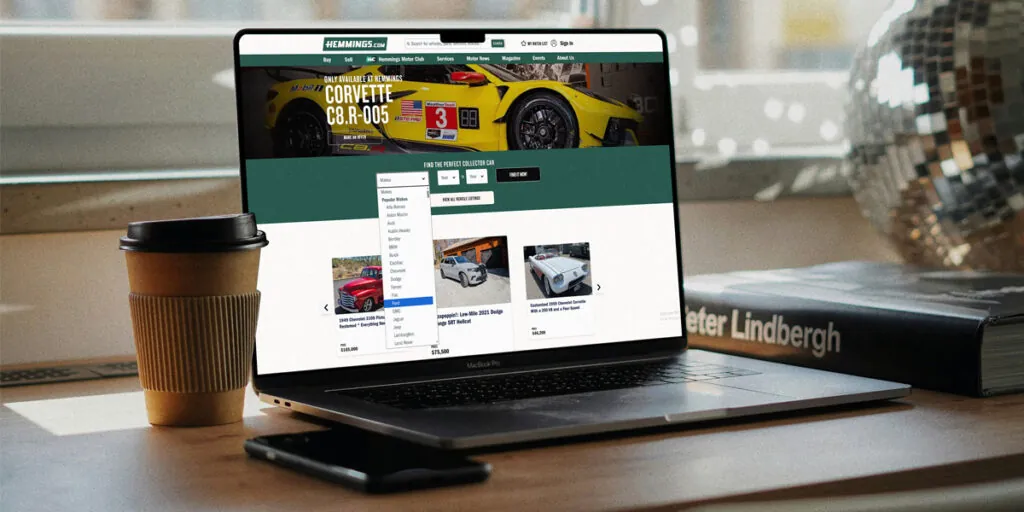
Before you start messaging sellers or hitting up car shows, spend some time researching. Check out listings on Hemmings, Bring a Trailer, and ClassicCars.com to see what similar vehicles are actually selling for. Look beyond asking prices—see what the cars actually sold for.
While you’re at it, dig into each model’s known issues. Does that year of Mustang have a rust-prone floorpan? Did the Corvette you’re eyeing have transmission problems? Knowing the details helps you ask smarter questions, and spot red flags before they cost you.
Step 2: Build a Good Rapport with the Seller
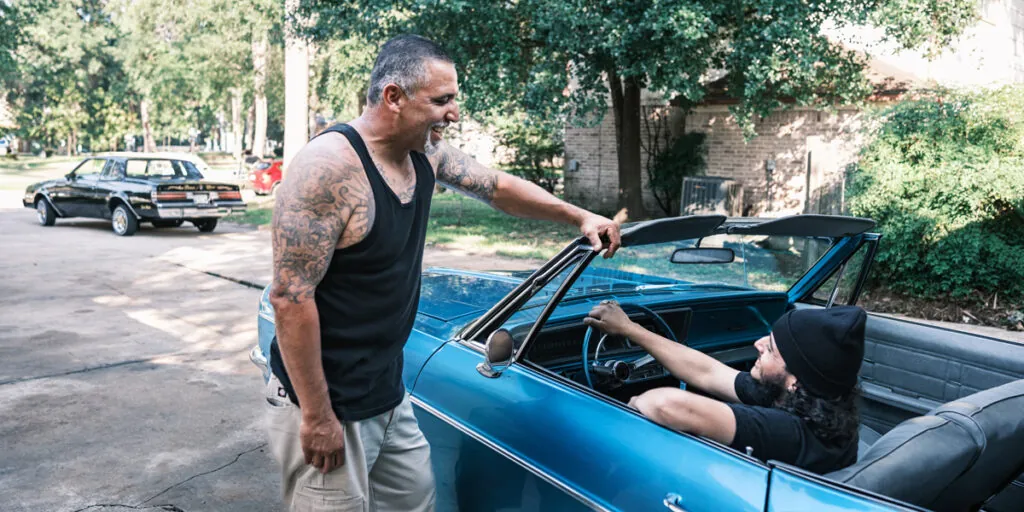
Buying a classic car isn’t just about cash, it’s about connection. Many sellers have an emotional attachment to their cars, and that can make all the difference during negotiation.
When you reach out, don’t sound like a robot. Skip the “Is this still available?” message. Try something more personal:
“Hey, I’ve been looking for a clean ’79 Trans Am for a while. Yours looks great—still available?”
That simple tone shift sets you apart from the tire-kickers.
Ask a few friendly, informed questions. Something like, “Has the engine ever been rebuilt?” or “Who did the restoration work?” Keep it conversational and positive. You’re not just trying to get a deal—you’re showing respect for their time and their car.
And if you realize it’s not the right fit? Be courteous. Thank them and move on. The classic car community is tight-knit, you never know when you’ll cross paths again.
Step 3: Inspect the Car Like a Pro
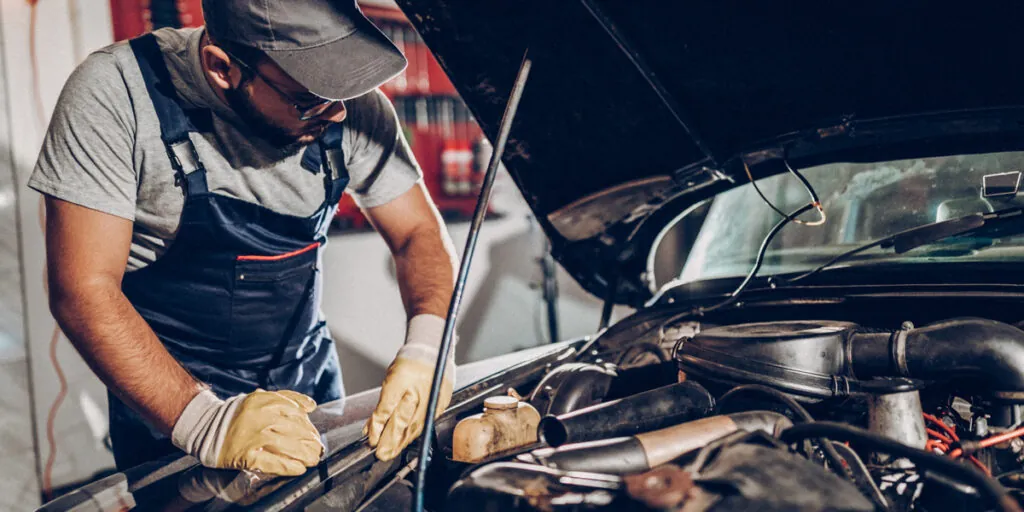
When you go to see the car in person, remember you’re there to evaluate, not interrogate. A friendly, straightforward tone will always get you better results than nitpicking every flaw.
Walk around the car slowly. Look for signs of rust, mismatched paint, and overspray around trim or door edges. Ask questions like:
“Looks like this fender might have been resprayed—was it from a repair?”
“Shift feels a bit stiff. Has the linkage ever been rebuilt?”
Even if the answer isn’t ideal, stay calm. Sellers appreciate buyers who show genuine interest and respect. And if the car isn’t what you expected, shake hands, thank them, and move on.

Step 4: Negotiating the Price (Without Being “That Guy”)
Negotiating can be tricky—especially when you’ve fallen in love with the car. But remember you control the money, and that gives you leverage.
Before you go in, know three numbers:
Found your next collector car? Protect it in minutes.
No depreciation, no surprises. ACI's agreed value coverage gives you the full amount you insured it for.
- What you want to pay.
- What you can pay.
- What you’d be willing to stretch to if it’s the perfect car.
Once you’ve looked over the vehicle and you’re ready to talk numbers, keep it friendly and firm:
“This is a great car, and I’d like to make a serious offer today. You’re asking $75,000—would you consider $60,000?”
Then stop talking. Let the seller think.
If they push back, don’t get defensive. Try:
“I get it—it’s a beautiful example. But I’m ready to buy today if we can find some middle ground.”
Negotiation works best when it feels like teamwork, not a tug-of-war. Sellers are far more likely to budge when they feel respected, not pressured.

Step 5: Seal the Deal and Follow Through
Once you’ve agreed on a price, clarify the details before anyone shakes hands or loads the car on a trailer.
For example:
“So you’ll hold the car until Monday when the funds clear, and I’ll come next weekend for the extra parts. Sound good?”
Confirm everything in writing—text or email is fine. It avoids confusion later and shows you’re professional and reliable.
When the deal’s done, don’t disappear. Send a quick thank-you note or message. You never know when that seller might find an extra part or another lead that could help you later.

Step 6: Enjoy the Drive—and Stop Second-Guessing
Once the car is in your garage, don’t waste time wondering if you paid a little too much. A year from now, you’ll remember the road trips, not the extra few bucks.
Because the best deal isn’t about saving money, it’s about driving the car you’ve always wanted.
Buying a classic car is part passion, part patience, and part negotiation. Take your time, trust your gut, and remember that the goal isn’t just a “good deal”—it’s finding the car that makes you feel like a kid again.
After all, memories behind the wheel are worth a lot more than the number on the bill of sale.
Found your next collector car? Protect it in minutes.
No depreciation, no surprises. ACI's agreed value coverage gives you the full amount you insured it for.