As car show season winds down and the crisp fall air rolls in, it’s time to think about preparing your classic car for winter storage. Whether you’ve got a muscle car, a vintage cruiser, or a collector’s gem, winterizing your car properly will protect your investment and ensure it’s ready to hit the road come spring.

When to Start Preparing Your Classic Car for Winter Storage
Classic car owners generally fall into two camps:
- The early birds – They handle winter prep while the weather is still good, pick a storage date, and stick to it. Think of it like a team that sets its game plan early—you avoid surprises and keep control. Getting it done ahead of time means you won’t be scrambling when the first snow falls or when the salt trucks hit the road.
- The late-season drivers – These guys squeeze out every last fall drive, even if it means prepping in freezing temps. You get the satisfaction of one more cruise, but you may face cold garages, rushed work, or even the cost of towing your car if winter comes in hard.
Neither approach is wrong—it just depends on your discipline and how much you value that “one more ride.”
Choosing the Right Storage for Your Classic Car
Not all garages are created equal. Picking the right storage option is one of the most important decisions you’ll make for your classic.
Public Storage Units
- Pros: Affordable and easy to find.
- Cons: Often capped insurance coverage (sometimes as low as $5,000), questionable security, and no climate control. Plus, pests like mice can wreak havoc on wiring.
If you go this route, read the fine print carefully and check locks, cameras, and security procedures. Always notify your insurance company.
Specialty Classic Car Storage
Purpose-built collector car facilities are growing fast, especially near major cities and coasts. These garages often provide:
- Climate control
- Battery tenders
- Detailing and winterization services
- Enhanced security
Questions to ask before you sign:
- Will my car be moved during the winter (stacker system risks)?
- What happens if there’s damage? (Look for full camera coverage)
- How often can I check in on my car?
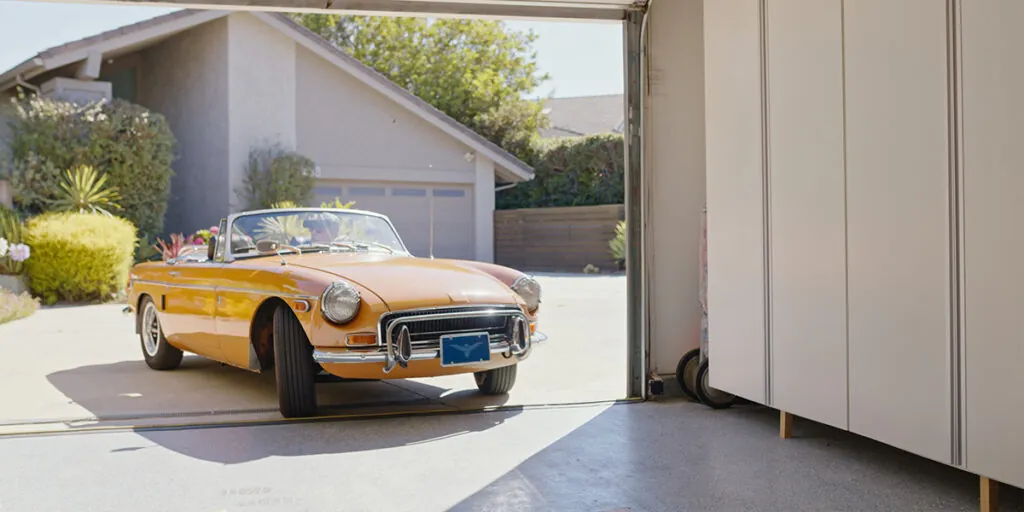
Storing at Home
If you’ve got the space, nothing beats keeping your car close. You’ll rest easy knowing it’s safe in your own garage—and you’ll have the chance to work on projects or simply admire it through the winter.
Found your next collector car? Protect it in minutes.
No depreciation, no surprises. ACI's agreed value coverage gives you the full amount you insured it for.
Just be careful: the family truck door, stray tools, or even turning your classic into a storage shelf can cause unwanted damage.
Basic Winter Prep
The following tips apply to nearly every classic car:
- Inflate the tires to the maximum safe pressure to prevent flat spotting.
- Make sure it’s clean inside and out.
- An extra coat of wax or ceramic detailer is a good idea.
- Fluids that are hygroscopic, like brake fluid, should be flushed or refreshed if possible.
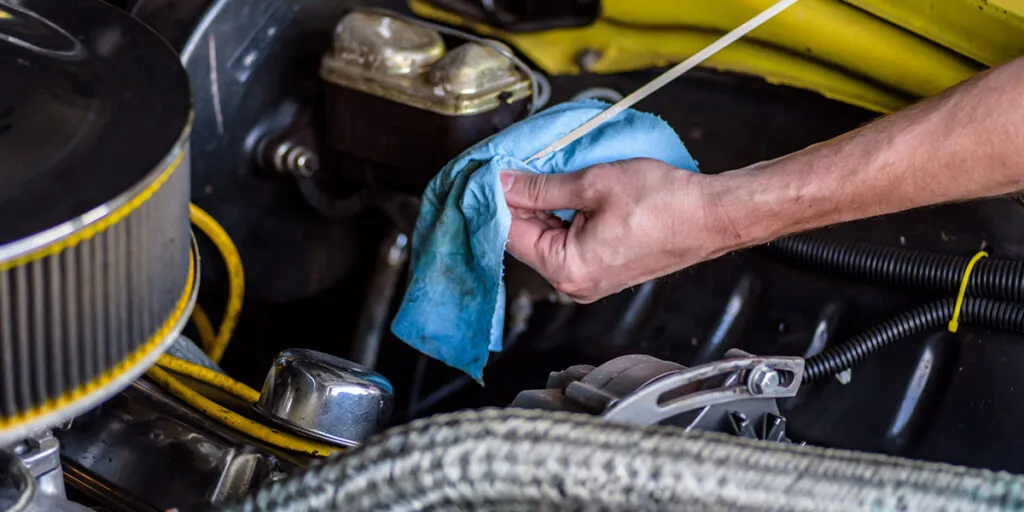
- Fill with fresh oil, because combustion byproducts in the oil can be corrosive and winter gives them a long space of time to do harm.
- Dress and protect all rubber belts.
- If you are storing outdoors, consider the aircraft-style reflective panels that fit to all windows and windshields.
- Fill the tank all the way with ethanol-free gasoline, if possible. If not, use Sta-bil or another fuel stabilizer.
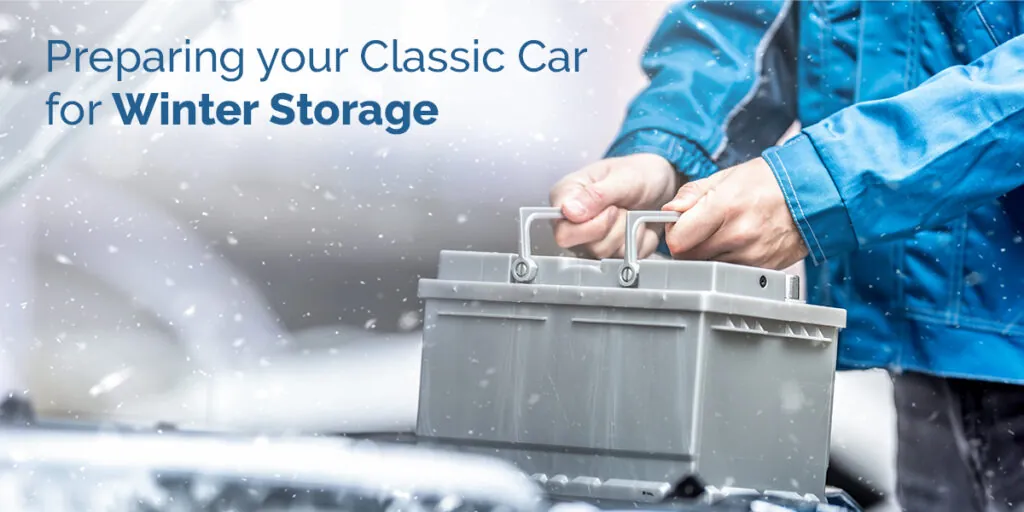
- Install the leads for a battery tender or trickle charger, then make arrangements to plug it in.
Pro tip: If you’re storing outdoors, consider aircraft-style reflective window panels to reduce interior damage.
Advanced Storage Tips
Depending on your car’s age and condition, you might need to take extra precautions:
- Heavy or vintage-tired cars: Store on jack stands or an EZ-Lift.
- Delicate engines: Replace oil with straight-weight diesel oil and crank without starting before storage.
- Fragile interiors: Wrap steering wheels, shift knobs, or remove rare trim pieces for safekeeping.
- Batteries: In harsh climates, remove and store indoors.
Should You Start Your Car During Winter Storage?
This is one of the most debated questions among classic car owners.
- For most classics (1950s and newer): Starting and running the car periodically is beneficial. It keeps seals lubricated, circulates fluids, and prevents systems from seizing. Run until the engine reaches operating temperature, cycle through HVAC settings, and move the car slightly to prevent flat spots.
- For delicate or race-prepped classics: Frequent cold starts can do more harm than good. Cars with short rebuild intervals or vintage racers should generally stay sealed until spring.
Don’t Forget the Small Stuff
- Empty your car of personal items—Murphy’s Law says you’ll need them mid-February if you don’t.
- Tell someone else where the car is stored, just in case.
- Book spring service appointments early—waiting until March guarantees long wait times at your mechanic or detailer.
The Hardest Part: Waiting for Spring
Once your car is tucked away, the toughest challenge is patience. Some mark off days on a calendar, while others avoid thinking about it altogether. Either way, if you’ve done your winter prep right, your classic will be ready to roll as soon as the salt washes away.
Here’s to a smooth storage season—and seeing you back on the road when the weather breaks.
Found your next collector car? Protect it in minutes.
No depreciation, no surprises. ACI's agreed value coverage gives you the full amount you insured it for.