Classic car transportation is necessary if you plan on selling your vehicle, buying a new vehicle for your collection, or if you need to move your vehicle across the country for a show or to receive work from a specialist. Shipping a classic car is not as easy as shipping most other kinds of freight. You have a lot of time and money invested in your vehicle, and special care and preparation is needed to make sure classic car transportation is conducted safely and efficiently. In order to make an informed decision about transporting your classic car, it helps to understand the shipping process and your classic auto transport options.
8 of the Best Auto Transport Companies
Make sure you choose an experienced transport partner that has the right equipment to get the job done without damaging your classic car. Transport companies should use nylon straps and choke, rather than metal or chain that can damage your vehicle. Care should also be taken in loading and unloading to minimize any risk of damage and extraneous time on the vehicle’s engine, if operational.
Here are 8 of the top car transport companies:
- Reliable Carriers– This company is the country’s largest enclosed auto transport company, serving 48 states and into Canada. They provide fully enclosed transports for a wide variety of antique and classic cars along with daily drivers and performance vehicles.
- Intercity Lines – An enclosed car carrier proudly offering first-rate nationwide auto transport services. This company is a favorite among car collectors and specializes in long-distance closed transport along with options for transporting collector motorcycles.
- Passport Transport– A mainstay in the classic car transport field for decades, Passport offers the features you want in a transport company backed by experience. Their GPS tracking provides real-time updates on your vehicle’s location. The drivers for Passport Transport are highly skilled and experienced drivers trained and dedicated to providing safe and reliable transportation for your valued vehicle.
- Horseless Carriage– Another experienced carrier, Horseless Carriage specializes in antique car transport, tailoring their services toward the rarest and most condition sensitive vehicles around. Providing automotive enthusiasts with dependable and spotless enclosed trailer transportation for antique, classic, exotic, and daily vehicles since 1975.
- Trans Global Auto Logistics– While Trans Global offers professional classic car transport in the United States, they shine when it comes to international transportation, smoothing the import/export process for customers. This company will create a custom cargo plan that takes into account the location of your car, its final destination, your budget, and ideal timeline.
- UShip – A very different vehicle transport model than others. This is a marketplace for you to post your shipping job, review transport quotes, and select drivers with real time tracking updates.
- Classic Car Transport – This company is a trusted name in vehicle shipping and offers the best classic car transport services available to collectors, car owners, and car enthusiasts around the country. Each transport is handled with care no matter if it’s enclosed or open transport.
- Hemmings Shipping – Hemmings has teamed up with National Transport Services to make shipping your car a stress-free experience. You can expect instant text and email notifications regarding the whereabouts of your vehicle and save time, stress, and unnecessary mileage to your vehicle.
*List updated June 2026*
International Classic Car Shipping: What to Expect
Shipping a classic car overseas involves more than booking transport. It requires the right shipping method, proper documentation, and careful coordination at every step. Whether buying from an international auction or selling to an overseas collector, understanding the process helps protect your investment.
Choosing the Right Shipping Method: Container vs RORO (roll-on/roll-off)
There are two primary ways to ship a vehicle internationally:
Container Shipping: Your vehicle is placed inside a sealed container, offering maximum protection from weather, salt air, and handling risks. It’s the preferred option for classic and high-value vehicles, and it can also allow space for spare parts or accessories.
Roll-on/Roll-off (RORO): Shipping involves driving your vehicle onto a vessel and securing it inside a cargo deck. It’s typically more cost-effective, however it provides less protection and requires the vehicle to be operational.
For most collectors, container shipping offers the level of protection that is needed to preserve value during long-distance transit.
Navigating Customs and Documentation
International shipping requires detailed paperwork to ensure your vehicle clears customs efficiently. Common requirements include documents such as the bill of lading, vehicle title, and export paperwork, along with any necessary country-specific import forms. Missing or incorrect documents can cause delays, additional fees, or denied entry.
Since each country has its own regulations, it’s important to confirm requirements in the early stages of the process, especially when transporting classic vehicles that may qualify for special import considerations.
Working with a Customs Broker
A customs broker plays a key role in simplifying international shipping. These licensed professionals handle documentation, calculate duties and taxes, and ensure your shipment complies with all import and export regulations.
Working with a broker can help prevent costly delays or compliance issues, especially when navigating complex international rules or high-value collector vehicles.
Why Insurance Matters Even More for Overseas Transport
International transport introduces additional risks, including longer transit times, port handling, and exposure to maritime conditions. Standard auto policies often don’t provide adequate coverage during overseas shipping, making specialized shipping insurance, such as marine cargo coverage, essential.
Many shippers offer coverage options, however it’s important to be aware of limits, exclusions, and whether your current policy provides supplemental protection. For classic cars, securing the right coverage ensures your vehicle is protected from departure to delivery.
How Much Does Classic Car Transport Cost?
One of the most common questions classic car owners ask when shipping their car is, how much will it cost? While pricing can vary based on several factors, understanding typical ranges can help you plan ahead and avoid surprises.
Typical Price Ranges
The cost to transport a classic car depends largely on the type of carrier you choose:
- Open transport: Typically ranges from $500 to $1,500
- More affordable and widely available
- Vehicles are exposed to weather and road debris
- Enclosed transport: Typically ranges from $1,000 to $3,000+
- Offers maximum protection from the elements
- Preferred for high-value, rare, or show vehicles
Longer distances, premium carriers, and speciality services (such as liftgate loading or white-glove delivery) may push costs higher.
What Affects the Price?
Several key factors influence what you’ll pay for classic car transport:
- Distance: Cross-country shipments cost more than shorter routes
- Vehicle size and weight: Larger or heavier vehicles require more space and resources
- Transport type: Enclosed carriers come with a price compared to open transport
- Seasonality: Demand fluctuates throughout the year, prices may increase during peak moving or show seasons
- Pickup and delivery flexibility: Being flexible with your timeline and locations can help lower your cost
Tips for Getting the Best Value
When comparing transport companies, there’s more than just price to compare. Here’s how to ensure you’re getting a fair and reliable quote:
- Request multiple quotes from reputable carriers or brokers to compare pricing and services
- Be cautious of unusual low bids as they may signal hidden fees, unreliable service, or last-minute cancellations
- Confirm what’s included in your quote, such as insurance coverage, door-to-door delivery, and tracking
- Check reviews and credentials to ensure the company has experience handling classic or collector vehicles
What to Consider When Hiring a Vehicle Shipping Service
For peace of mind there are a few considerations to make when choosing the best classic car transport service for your transport needs.
- Experience: To protect your collection it is best to choose a car shipping service that has a long history and proven track record from other classic car owners. Keep experience in mind when comparing car shipping quotes, experienced enclosed carriers may be pricier than open transport options.
- Communication: You should be able to easily speak with the haulers involved with your classic and exotic car transport.
- Protection: Whether choosing enclosed shipping or an open carrier, the company should provide proof of cargo insurance. It is crucial to understand what is included in insurance coverage and what you will have to pay yourself.
- Delivery Services: Some car carriers provide expedited or door-to-door delivery for additional fees if you need your vintage vehicle delivered on time for a car show.
- Tracking: A benefit to look for is GPS tracking provided to check the location of your classic vehicle in real time on its journey to its delivery location.
- Damage Control: Just in case there is damage during your classic car shipment, a good auto shipping company or broker will have a clear, quick process for filing a claim.
Found your next collector car? Protect it in minutes.
No depreciation, no surprises. ACI's agreed value coverage gives you the full amount you insured it for.
Classic Car Transport Types
You have several options available when shipping classic cars, and the type that’s best for you will largely depend on your comfort level and the protection your vehicle needs.
Open Car Transport
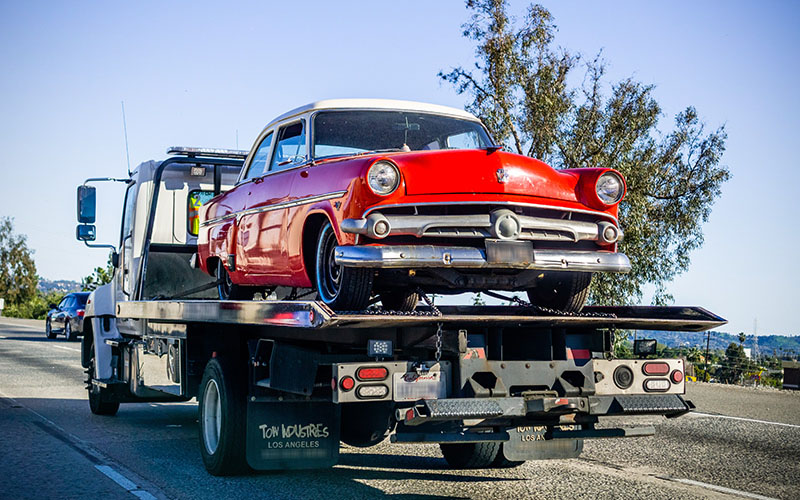
Open transport is often more economical due to a lower classic car transport cost, but offers less protection to your vehicle in exchange. This type of transport involves loading your car onto an open trailer and securing it in place. That means that even if tarped, your vehicle is still susceptible to scratches, dings, and damage from inclement weather. This last point should be especially concerning if you live in an area prone to hail. If shipping your vehicle over water, RORO transport, or roll-on/roll-off transport, involves your vehicle being driven onto the deck of a specially outfitted cargo ship, parked, and secured alongside other vehicles.
Enclosed Car Transport
A safer classic car shipping option, your vehicle is loaded into an enclosed trailer where it is secured and the outer door sealed and locked. Over-water travel can likewise be closed by shipping a classic car in a steel shipping container. These containers, which can be up to 40-feet long, are completely enclosed like box trailers with your car secured inside. The containers are then loaded onto a ship for transport.
Which is the Better Auto Transport Option?
While both types can transport your classic car effectively, open transport is best used when shipping classic cars that are meant to be projects that already have exterior restoration planned, while enclosed auto transport is the better choice for vehicles in pristine condition.
Transportation Brokers vs. Fleet-Owned Companies
Before hiring a classic car transportation company, you should weigh the pros and cons of going with a broker or opting for transportation with a fleet-owned company.
Put simply, the main difference between a broker vs. fleet-owned carrier is that a broker does not own or directly manage the fleet of trucks used to transport cars. Rather, they act as middlemen, handling the logistics of shipping your car but without direct oversight of how it’s transported or shipping routes. This makes it easier to book classic car transportation to virtually anywhere in the country, but you may experience difficulties trying to communicate with middlemen instead of the actual shippers, dispatchers, and drivers.
Fleet-owned companies, like the name suggests, own and operate the trucks they use for transporting your classic car. While these companies tend to be smaller (most operate just a handful of truck drivers), you’ll usually get the benefit of more tailored and attentive service. However, because you’re likely going to be working with a smaller business when contracting a fleet-owned company, you’ll have virtually no oversight on the company’s shipping route or how they handle your car.
How to Prepare Your Vehicle:
Check your carrier’s instructions for preparing your classic car for transport. There may be restrictions on personal items left inside, the amount of fuel in the tank, or other safety considerations. You should also make sure your vehicle is clean and inspect it carefully. Take pictures of the entire vehicle in good lighting from multiple angles. This will help you spot damage if there’s an incident while shipping your classic car.
Before your vehicle is picked up, take a few minutes to review this simple checklist. Proper preparation helps ensure a smooth loading process and protects you in the rare event of a claim.
- Photograph your vehicle thoroughly – Capture clear, high-quality photos from multiple angles, including front, rear, both sides, and all four corners. Don’t forget close-ups of existing scratches, chips, or imperfections. Take photos in good lighting and date-stamp them if possible for additional documentation.
- Document the odometer reading – Record the exact mileage before transport. A quick photo of the dashboard is an easy way to keep a time-stamped record.
- Note existing damage in writing – Review your vehicle with the carrier at pickup and ensure any proper damage is clearly documented on the Bill of Lading before loading.
- Remove personal items and loose accessories – Clear out the interior and trunk, including any removable items like GPS units, ez-passes, or collectibles. Loose items can shift during transport and may not be covered by the carrier.
- Confirm fuel level requirements – Most carriers require the tank to be about ¼ full or less. Check with your carrier in advance to avoid delays at pickup.
- Disable aftermarket alarms – Turn off or provide instructions for any alarm systems to prevent disruptions during transit.
- Check tire pressure and fluid levels – Ensure tires are properly inflated and fluids are at safe operating levels so the vehicle can be loaded and unloaded without issue.
Ensure Your Vehicle is Protected
Standard car insurance doesn’t offer the same level of protection as classic car insurance, and the insurance carried by classic car transport companies often only covers negligence. It’s important to cover your vehicle with an agreed value policy that will help you recoup your investment of time and money in the vehicle if it’s damaged in transit or by unforeseen circumstances.
An agreed value insurance policy is based around the value you’ve agreed to with your insurance specialist, that way restoration or modifications you’ve made that elevate your vehicle’s value above the model’s fair market price are recognized and covered.
Follow Through on Your Transport Arrangements
Read and understand the terms of your contract with the transport company. In addition to preparation instructions, there may be drop-off conditions you’ll need to make sure the recipient– if you’re not meeting your classic car at the end of its transport journey–needs to know. Depending on the transport company, you likely will have the ability to track your vehicle in real-time as it makes its way to its destination.
Take advantage of this innovation to stay informed and keep the receiving party informed. If there is a problem with the transport, document it and contact the collector car transport carrier immediately. By being proactive throughout the auto transport process, you’re helping to create a better experience for you and safer transport for your classic car. If you have a horror story about shipping classic cars, let our community know so we can help other collectors avoid a similar fate!
Frequently Asked Questions About Classic Car Transport
Q: How much does it cost to ship a classic car?
A: The cost to ship a classic car depends on several factors, including distance, vehicle size, transport type (open vs enclosed), and timing. On average, enclosed transport, which is recommended for collector vehicles, costs more than open transport but provides significantly greater protection. For the most accurate estimate, request a quote based on your specific vehicle and route.
Q: How long does classic car transport typically take?
A: Transport timelines vary based on distance, route availability, and weather conditions. Shorter trips may take a few days, while cross-country transport can take one to two weeks. Your carrier should provide a delivery window and keep you informed of any delays along the way.
Q: Is enclosed transport worth the extra cost for a classic car?
A: Yes, especially for classic, exotic, or high-value vehicles. Enclosed transport protects your car from weather, road debris, and environmental exposure during transit. For most collectors, the added peace of mind and protection make it well worth the investment.
Q: Does my classic car insurance cover damage during transport?
A: In most cases, the transport company’s cargo insurance is the primary coverage while your vehicle is in transit. However, policies can vary, it’s important to understand what is and isn’t covered in your classic car insurance policy.
Q: What’s the difference between a transport broker and a direct carrier?
A: A transport broker arranges shipping by connecting you with a carrier, while a direct carrier owns the truck and physically transports your vehicle. Brokers can provide more flexibility and access to a larger network, while direct carriers handle the transport themselves. Many customers work with brokers, but it’s important to understand who is responsible for your vehicle at each step.
Q: How do I prepare my classic car for shipping?
A: Preparing your vehicle properly helps ensure a smooth transport process. This typically includes cleaning the car, documenting its condition with photos, removing personal items, checking the tire pressure and fluids, and confirming fuel level requirements. Your transporter may also provide specific preparation guidelines before pickup.
Coverage For Collectors
We built our policies to protect the same kinds of collections we’ve built ourselves. Each of our insurance specialists understands the passion that goes into the pursuit of your hobbies because they are classic car enthusiasts too.
Getting ready to ship your classic? Protect your passion and make sure your policy protects it during transit. Get a free instant quote from American Collectors Insurance on a policy with features tailored to your collection.
Updated June 2026
Found your next collector car? Protect it in minutes.
No depreciation, no surprises. ACI's agreed value coverage gives you the full amount you insured it for.