If you’ve ever undertaken a serious restoration project, you have an idea of the typical checklist: planning your parts deliveries in some approximate “just-in-time” order, booking your partner body shop, engine shops, and other subcontractors in a way that ensures you won’t wait months or years for the next step in the process, setting up your insurance coverage…
…wait, what? Why insure a vehicle that doesn’t start, doesn’t run, and in some cases doesn’t even look like a car? If you don’t have it registered, you probably don’t have a legal or regulatory reason to carry coverage. And if you can’t operate your classic car on the road, it might feel like you’re paying for nothing.
When you look at the risks facing a restoration project, however, the reasons to insure throughout the process become very clear. Let’s discuss a few of the ways in which agreed value insurance can pay for itself, or more, during the process of even the most leisurely restoration.
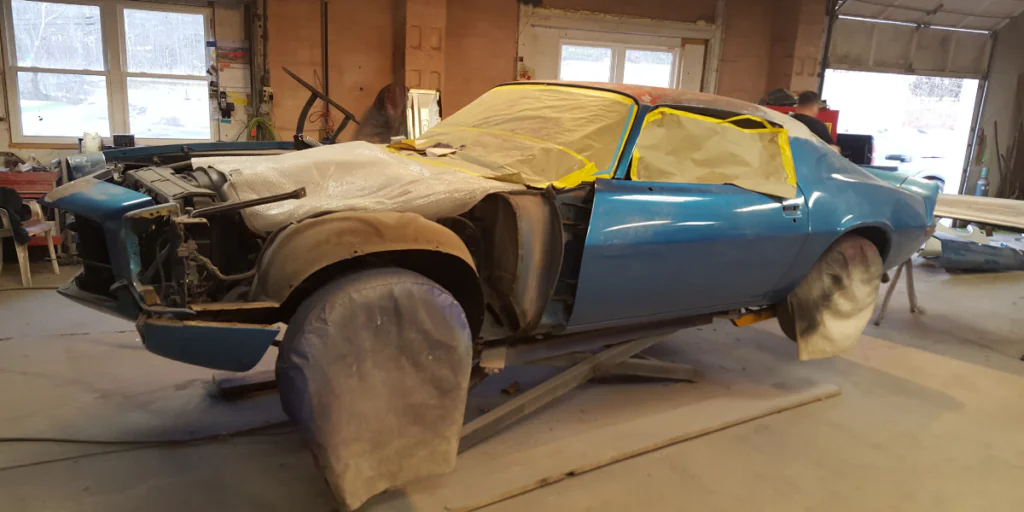
Cars Not Running Are Still at Risk
The most obvious reason to insure a restoration project with agreed value coverage is simple: even a vehicle in pieces across a garage or shop floor can be at risk. Fire, weather, theft, vandalism; none of these risks disappear simply because your car isn’t ready for the cruise-in or the concours. If you can easily think of another good home for your engine and transmission, as an example, chances are you want to be thoughtful about protecting those pieces.
In some cases, a project car is at considerably more risk than a running one. In the event of severe weather or a fire, you might be able to drive your other cars away. What about the one with the driveshaft and differential on a shelf behind it? Most rotisserie restoration rigs roll on smooth ground, with a lot of effort, and at a pace best described as “leisurely”. A car that can’t move might be more theft-resistant, but even that’s not a sure bet.
Agreed Value Coverage for Expensive Parts
An agreed value policy with spare parts coverage can be just the ticket for insuring those expensive new parts of your project car before they get bolted on. It’s not just that tasty new crate motor that benefits. How much glass, plastic, and other fragile materials do you have off the car and at risk of damage? If you have new fabric or interior parts, they can also be at risk.
Unless you’re doing all the work yourself, you might find that you have to take the entire car, or major components of it, on the road or to other shops. Here, too, the proper coverage can turn this from a potential nightmare to a reasonably handled situation. Not everyone will be as careful with your property as you would be. Even the most reputable and conscientious shops can have bad neighbors or bad luck. A lot of million-dollar restomods and “outlaw” cars roll out of shops that are directly next to industrial suppliers, distribution centers, or parking lots filled with yard trucks.
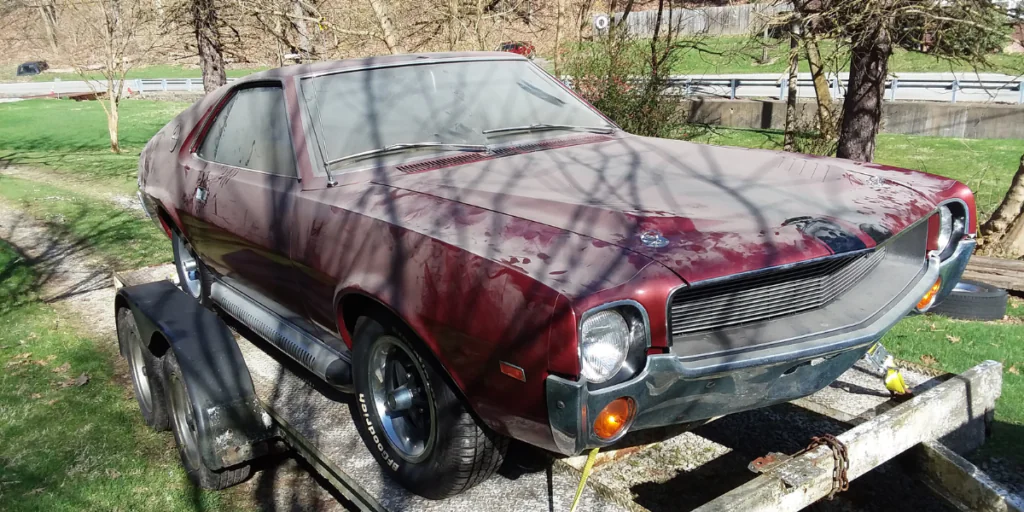
Trailing Your Project Car Comes with Risks
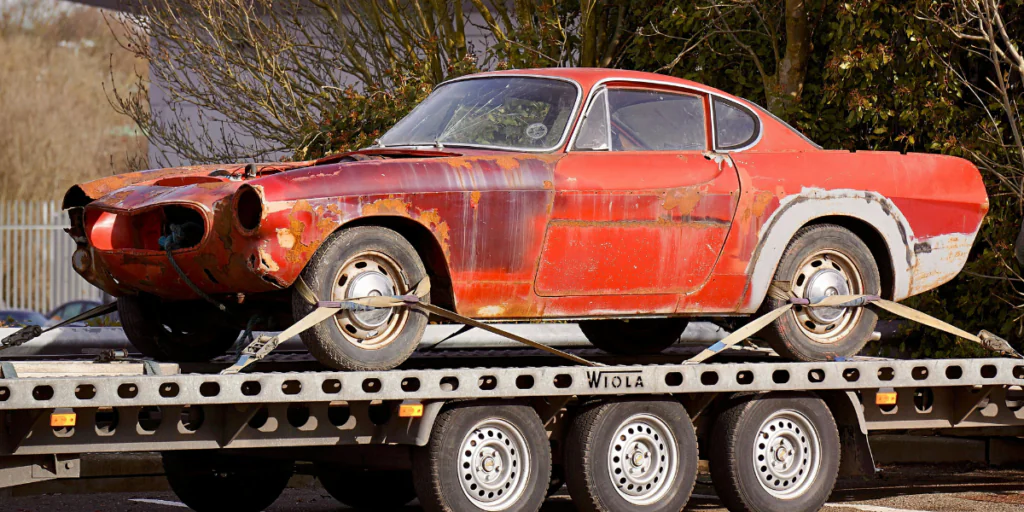
A project car on a trailer is at considerable risk, of both theft and damage along the way. Rare is the project that never leaves one shop between the start and finish of the restoration. Ask yourself: If someone struck the trailer, how much would I lose? Chances are the answer is not “nothing worthwhile,” so plan accordingly.
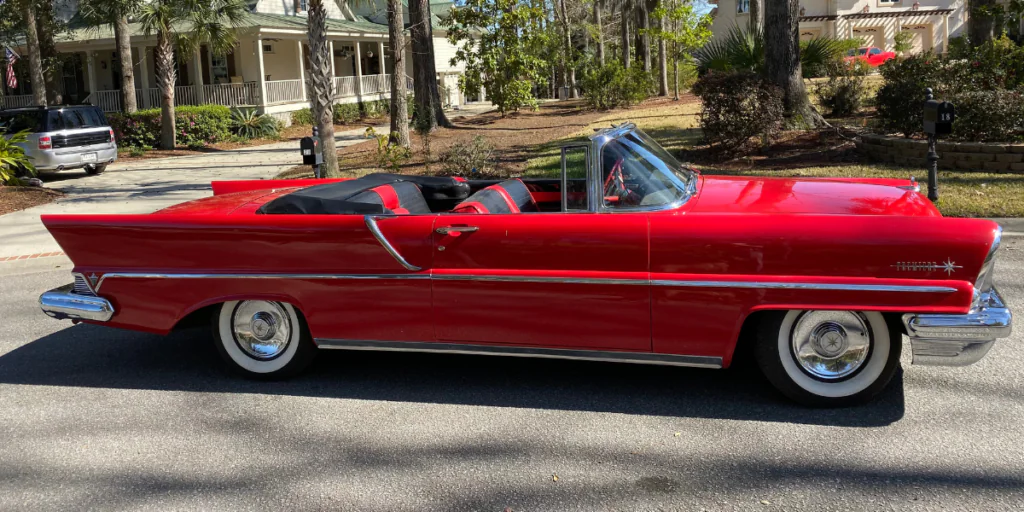
Be Prepared for When Your Car Hits the Road
We would be remiss if we didn’t mention the best reason to properly insure your restoration project all the way from beginning to end: at some point, you’re going to drive it out of your garage and introduce it to the world. It might be for a quick “spin around the block” to ensure that the transmission is shifting properly, or it might be a long drive to a concours debut. Either way, as the hours tick down to the moment your project moves under its own power, you will want to be turning wrenches and taking photos, not calling your insurance provider to switch on coverage for the occasion. Best to have that handled ahead of time, so you can focus on the drive.
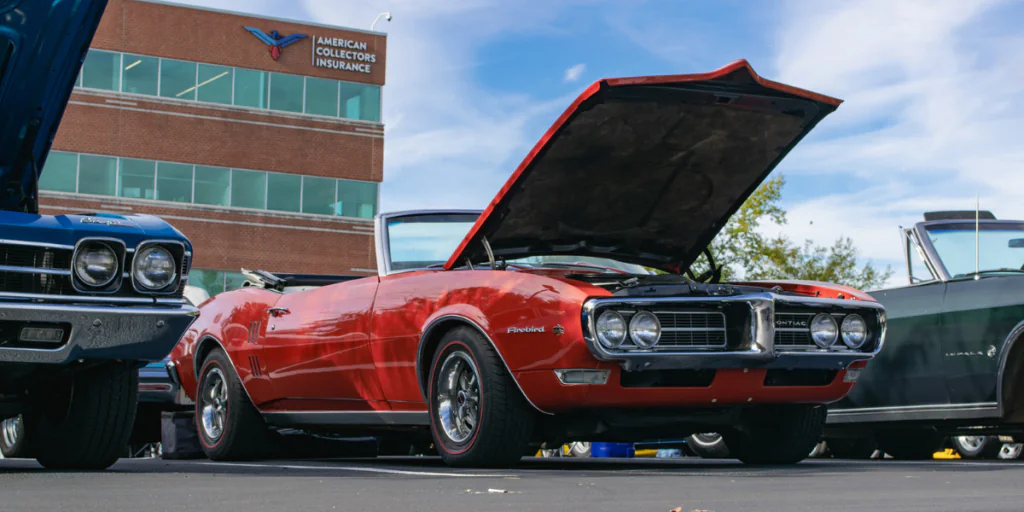
The Right Insurance Partner Is Important for Your Restoration
If you talk to the owners who have been through multiple successful restorations, almost all of them will tell you that having the right partners is one of the most important parts of the process. (The others will tell you that having the right partners is the most important part, period.) You’ve done the research, you’ve made your plans, and you’ve chosen your partners. Make sure your insurance company is part of the team, and you’ll be that much closer to the goal.