When T.S. Eliot wrote “April is the cruelest month,” he didn’t necessarily have classic-car maintenance in mind. Yet the phrase resonates with every owner who has painstakingly de-winterized their classic for the start of driving season, only to find that their task list is a lot longer than they’d hoped. While being aware of what can go wrong doesn’t reduce the annoyances of unexpected spring maintenance, a little preparation can soften the blow. Let’s talk about what might happen during the “cruelest month”.
Tire Pressure Problems After Winter Storage
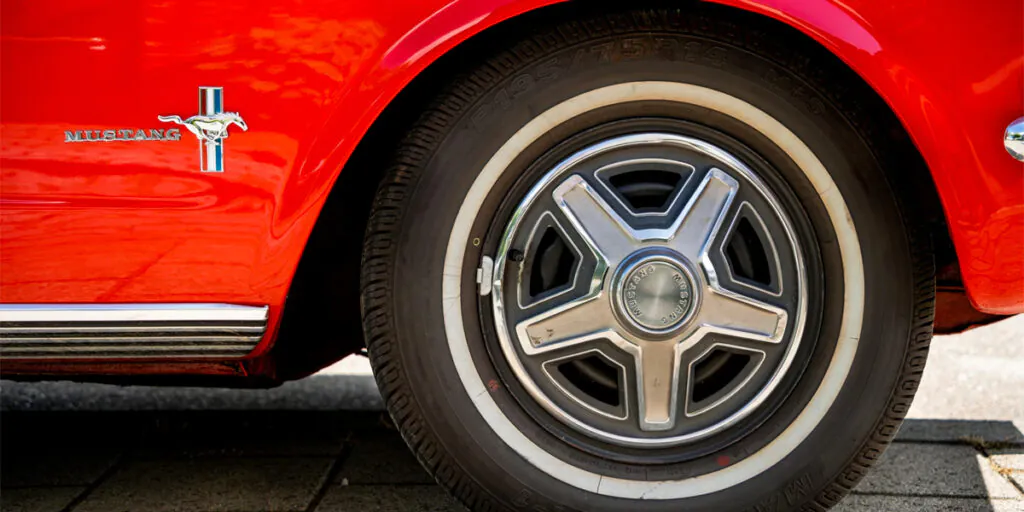
You probably raised your tire pressure for winter storage to prevent flat spots and protect your rims. Now that you’ve aired them down for driving, one of the tires may have decided to lose even more air. This doesn’t necessarily mean the tire is ruined. When tires are stored at higher pressure, the bead can sit very firmly against the rim. Reducing the pressure back to normal driving levels can sometimes cause the bead to release unevenly, leading to a slow loss of air at the rim.
In many cases, reinflating the tire, driving a few hundred feet, and then bringing the pressure back down to the desired level can resolve the issue. Just keep in mind, you may need to repeat the process more than once.
Fluid Leaks That Appear in Spring
So, you notice there’s a spot of fluid under the car.
It didn’t leak all winter, but now it is. Start by taking a breath and asking yourself: Did I spill any fluid during the change process?
You’d be surprised by how many owners will allow some oil to escape the funnel during a spring oil change, only to freak out the next morning when that oil eventually makes its way down to the ground. The same can be true for transmission fluid and brake fluid, although the latter is ultra-corrosive, so if there’s any fluid on your car that you treat with obsessive care, it should be the brake fluid.
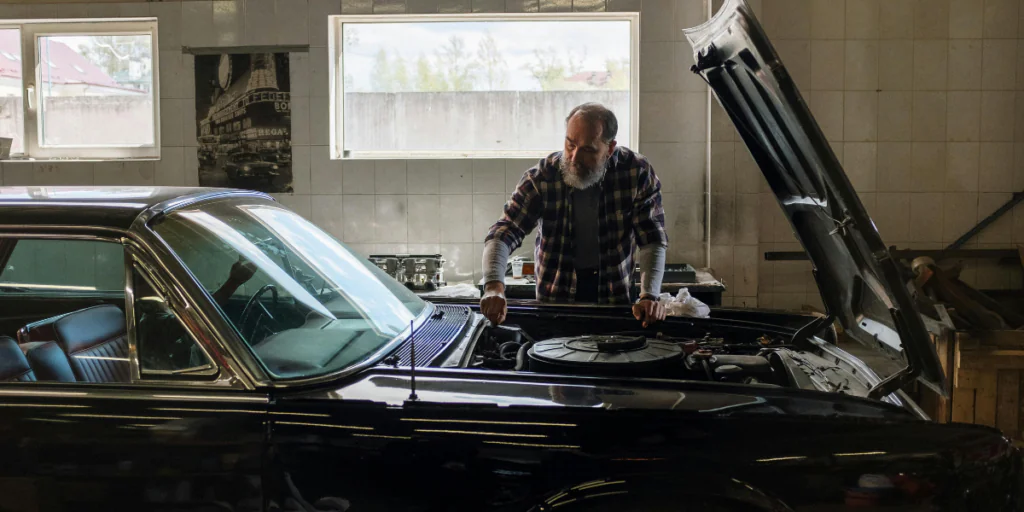
Gaskets, Seals, and Fluid Changes
Sometimes, however, it’s not a matter of spilled fluid making its way to the ground. The seals in your engine and hydraulic systems can respond to a change of fluid by expanding or shrinking. This is especially true if you’re changing the composition of your brake fluid, though it can happen during oil changes as well.
The older the gasket, the less it enjoys “seeing” a new chemical. This is why many classic-car enthusiasts will stick with the same oil for each change.
What about that old garage tale where an owner switches from conventional oil to synthetic and then suddenly starts seeing leaks? There’s actually some basis in fact. If you’re using conventional oil without difficulty, consider the virtues of not changing to synthetic.
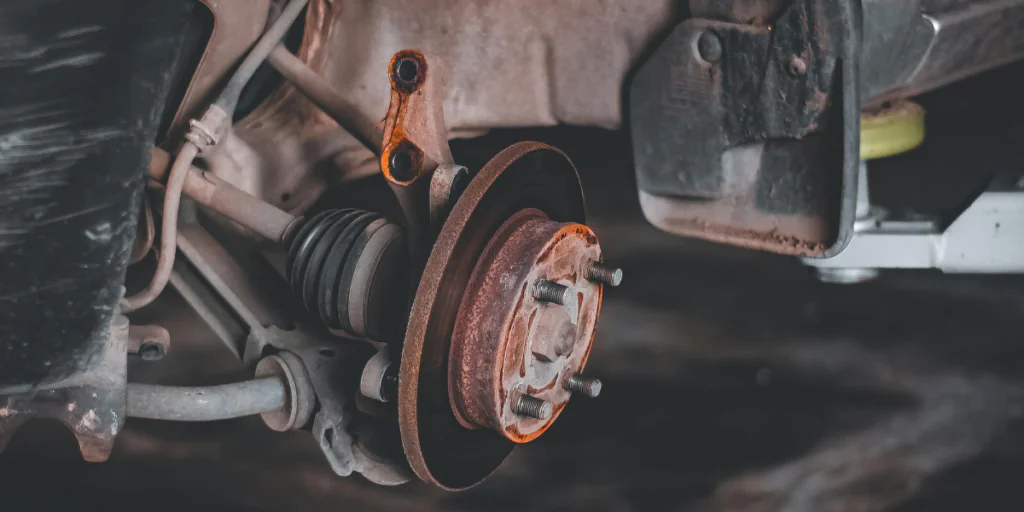
Rust, Corrosion, and Noises After Winter Storage
The next spring-maintenance issue that tends to creep up is the downside of leaving metal parts sitting in one place for too long. Whether it’s rust on the brake rotors, corrosion from aluminum and steel in close and ungreased contact, or the light pitting that can occur between gear teeth that are left in contact for months or years at a time.
Even with careful winter storage and maintenance, this can sometimes result in cranky rotating or moving parts once the car is back on the road. Often, as with slightly rusted brake rotors, the issue will resolve itself after a bit of driving.
But if you notice a new noise after winter storage and it doesn’t lessen after a quick spin, that’s usually a sign it’s time to take the issue seriously.
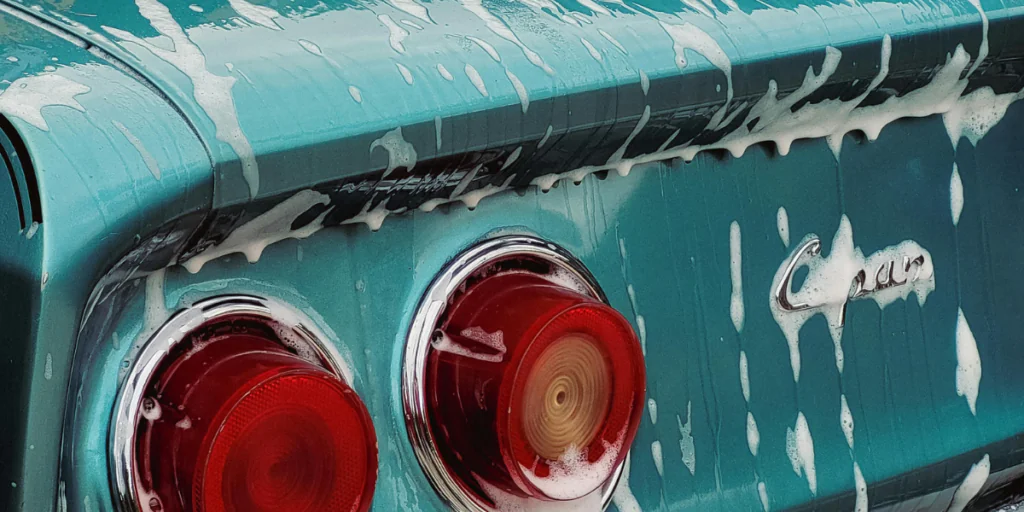
Spring Cleaning Classic Car Paint and Exterior Surfaces
Even if your classic comes out of winter with no mechanical issues, you may still find yourself dealing with paint or interior concerns. Your first spring cleaning should be approached with care.
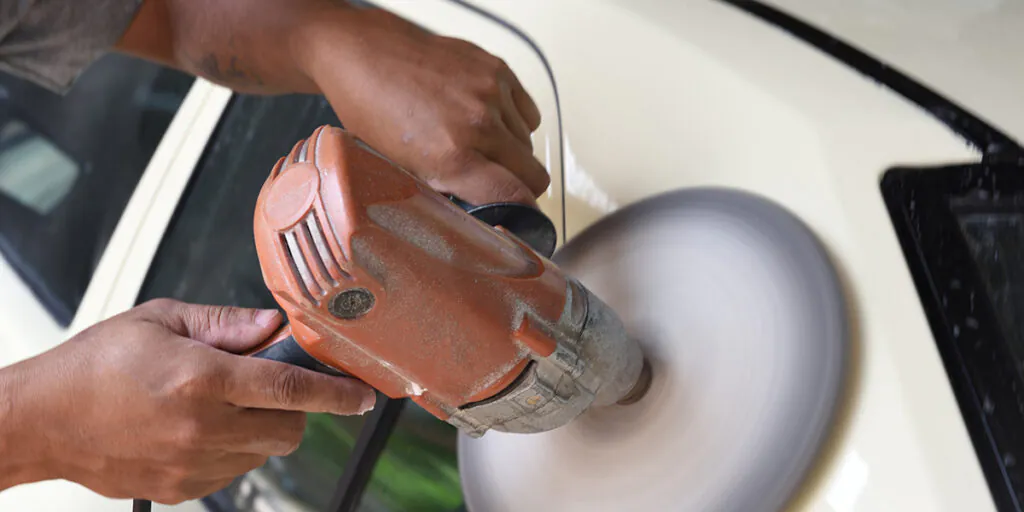
Avoid grinding dust or surface contamination further into the finish. Instead, use a pre-cleaning agent, perhaps in conjunction with a modern foam-cannon wash system, to separate and lift contaminants so they can be safely removed.
This is true even if you used a car cover over the winter. Few covers are perfectly clean when they go on, and even more trapped debris can leave its mark over time.
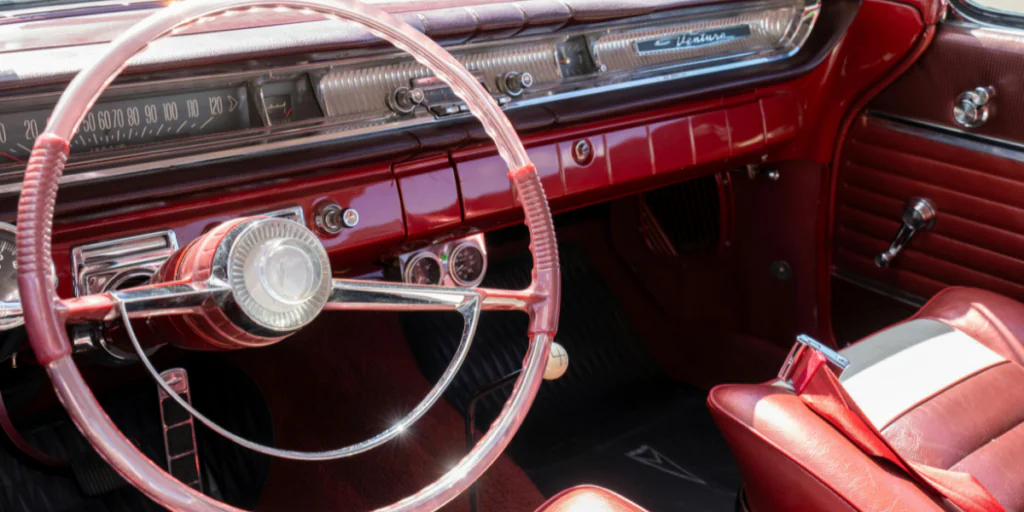
Caring for Classic Car Interiors After Winter
The interior of your car deserves the same thoughtful approach. Clean carefully and without pressure, using a wiping motion on a properly prepared surface. Take your time. If your car has carpet, this can also be a good opportunity to shampoo it.
Spring Maintenance Decisions: What’s Necessary and What Isn’t
Last but not least, let’s touch on some of the more esoteric maintenance decisions. Some owners change the oil after winter storage, then change againafter the first few drives. There’s no harm in doing so, but the number of cars that actually benefit from it are relatively small.
On the other hand, a so-called “nut and bolt” inspection can be worthwhile, especially for older classics, racing-oriented cars, or motorcycles. In this process, the vehicle is placed on the lift and every accessible suspension and mount fastener is re-torqued to specification after a shakedown drive. It’s rare for a classic-car owner to not find at least one nut and bolt that’s a little loose.
This is something you can do yourself with a lift, a factory shop manual, and a properly calibrated set of torque wrenches. Most owners, however, will be better off taking their car to a credentialed shop. And unless you’re exceptionally competent, and truly comfortable, working beneath a car, this is not a procedure to attempt on jackstands. When in doubt, reduce your risk and trust a professional.
Enjoying Driving Season With Confidence
If you can handle the above tasks, then April shouldn’t be a cruel month for you and your classic. You may even find yourself enjoying a few quiet spring drives, as T.S. Eliot did in the spring of 1938, riding in the passenger seat of a Ford V-8 driven by Mary Trevelyan. Good times and not cruel at all!